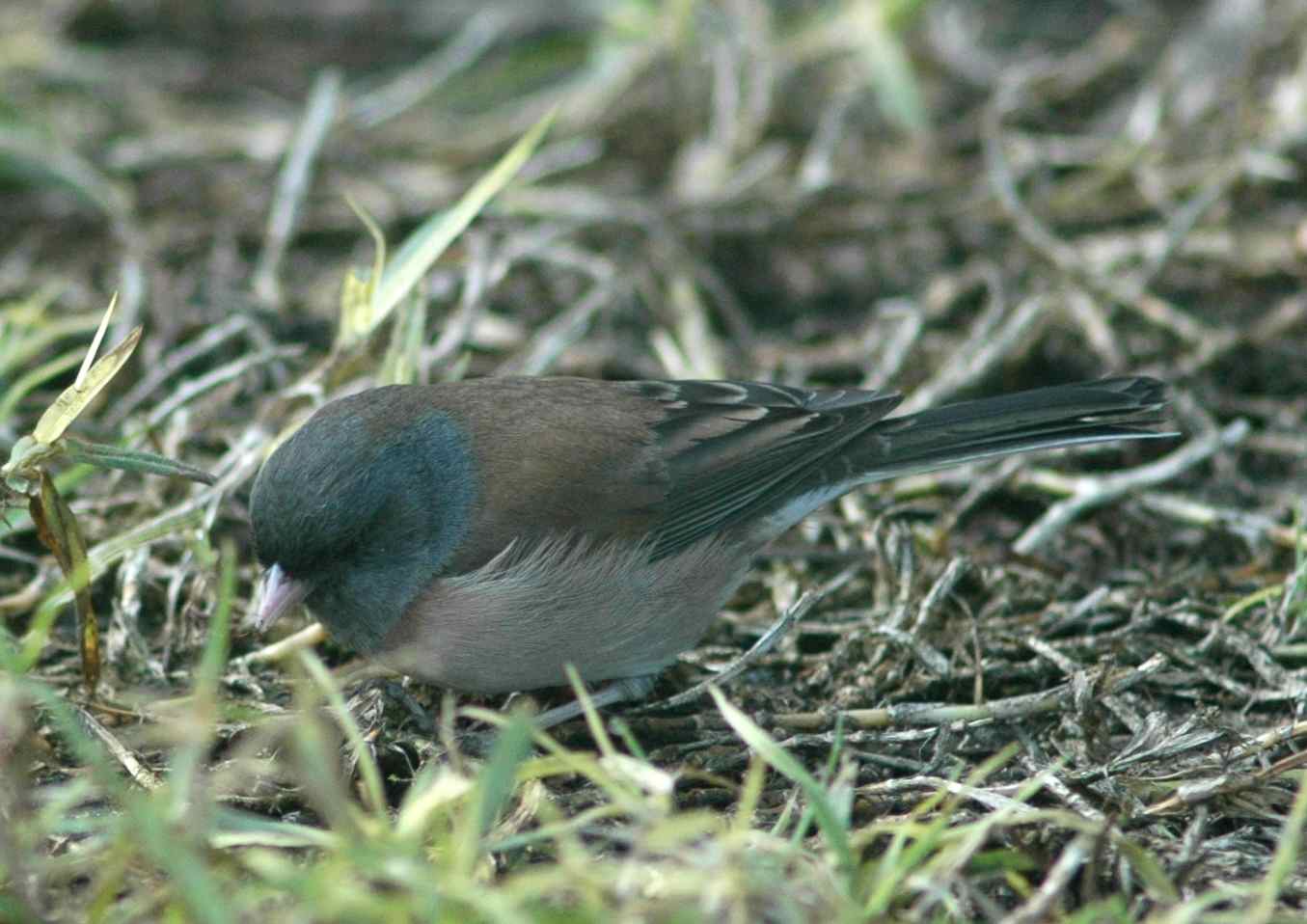
Spend your weekend watching these live bird cams

First, and undoubtedly oddest, is the Piip Show, which is a “bird reality show” (read: livestream from a birdfeeder shaped like a bar) from a Norwegian television network. Apparently this is an experiment in “slow tv,” which I did not know was a thing. Follow this link and click the red arrow in the bottom-left corner of the picture to watch live, or scroll down a few lines to watch a popular clip (the birds are at the end of the clip). As an American, I’m enjoying watching the exotic-looking-to-me birds like Blue Tits. Thanks to Rachel for the tip!

The Decorah Bald Eagles are back, and as I type this, a very small small grey-fuzzed chick is struggling to get out from under its rather bemused-looking parent.

The Cornell Lab of Ornithology maintains a number of excellent bird cams. My recent favorite has been the Laysan Albatross one on Kauai, HI, not least because the time difference means you can watch it in daylight even when it’s quite late for you if you live in the continental US. Also, the chick looks like a wet mop. The chick is named Kaloakulua and was recently identified as female. Sometimes she is visited by nonbreeding adult albatrosses doing lovely practice courtship dances, and it’s interesting to see how long the chick is left alone as the parents forage: sometimes they don’t return to feed her for weeks.

Continue reading

Safe behind these castle walls, eggs: how birds’ nests protect their precious contents

Recently I was lucky enough to spend some time in Spain, where the land is dotted with hilltop castles and the winding narrow streets of the old cities are encircled by sturdy stone walls. I crouched behind crenellations, pretending to be a bowman awaiting attack, and climbed dark winding staircases glad that no defending army waited at the top.

Winding staircase in the Olvera castle. Photo by Q. Stedman

Winding staircase in the Olvera castle.
Photo by Q. Stedman

It’s exciting and romantic to imagine castles and walled cities in the flush of functionality, but it’s hard to ignore that the motivating force for those structures was real, unromantic, gut-knotting peril and fear. The people who lived in those cities put up thick stone walls with their hands because they thought other people were going to come and unromantically kill them—which they sometimes did.

Gulls standing guard over Tarifa.

Gulls standing guard over Tarifa.

When birds build nests, they’re responding to that same threat. Eggs and baby birds are easy targets for anything from mice to snakes to deer to toucans. To keep them safe, birds too rely on stout walls, secret passageways, and defending armies.

Continue reading

What we know about one nest

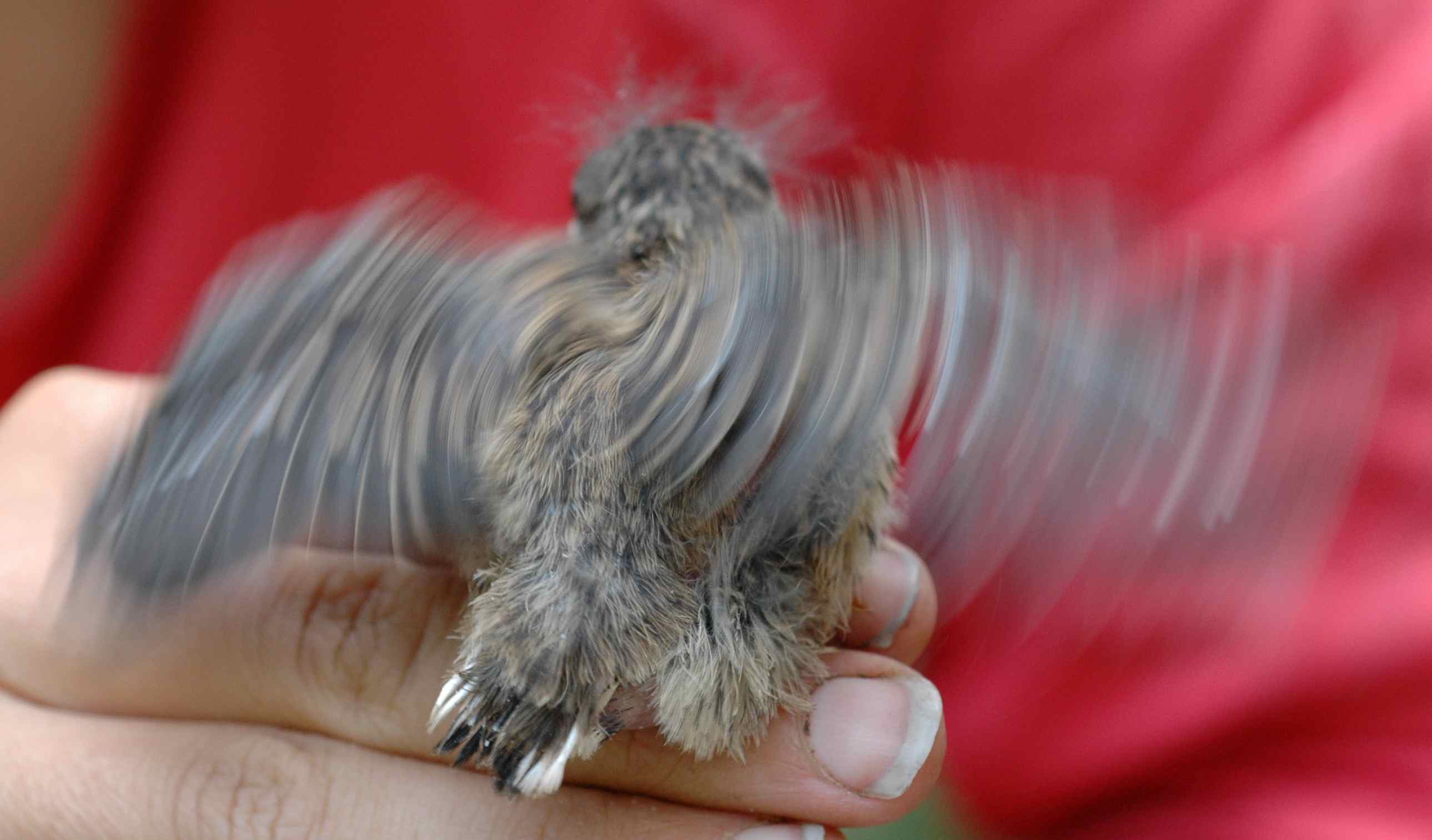
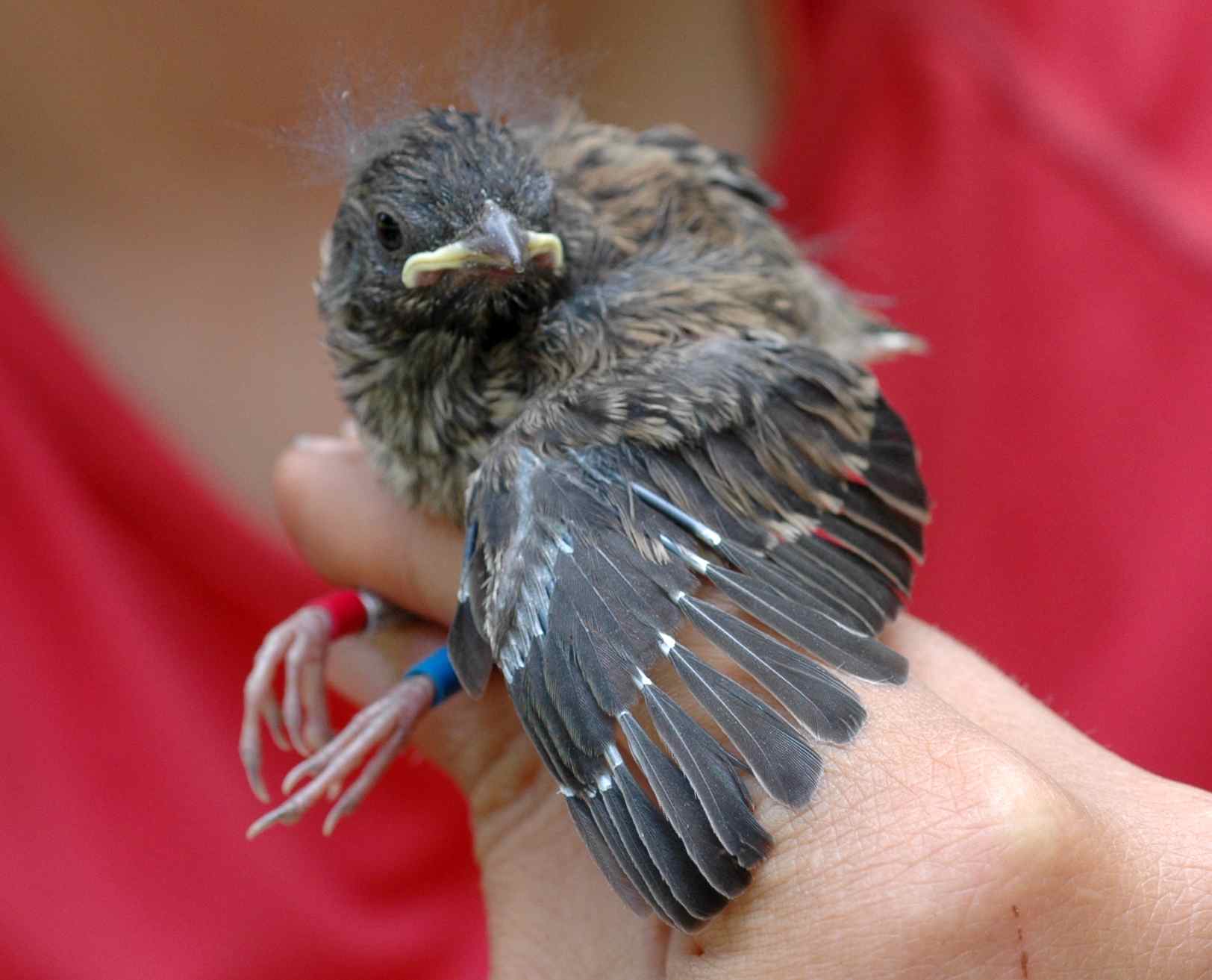
On July 1, 2013, we caught a female junco who we banded MABY.

MABY

MABY

An already-banded male, ARKM, seemed very upset about this. Sometimes juncos do hang around when we band their mates—it’s rather sweet to see them reunite when the banded birds are released—but ARKM’s behavior seemed different to me, so after we released MABY, I lurked behind a tree and watched.

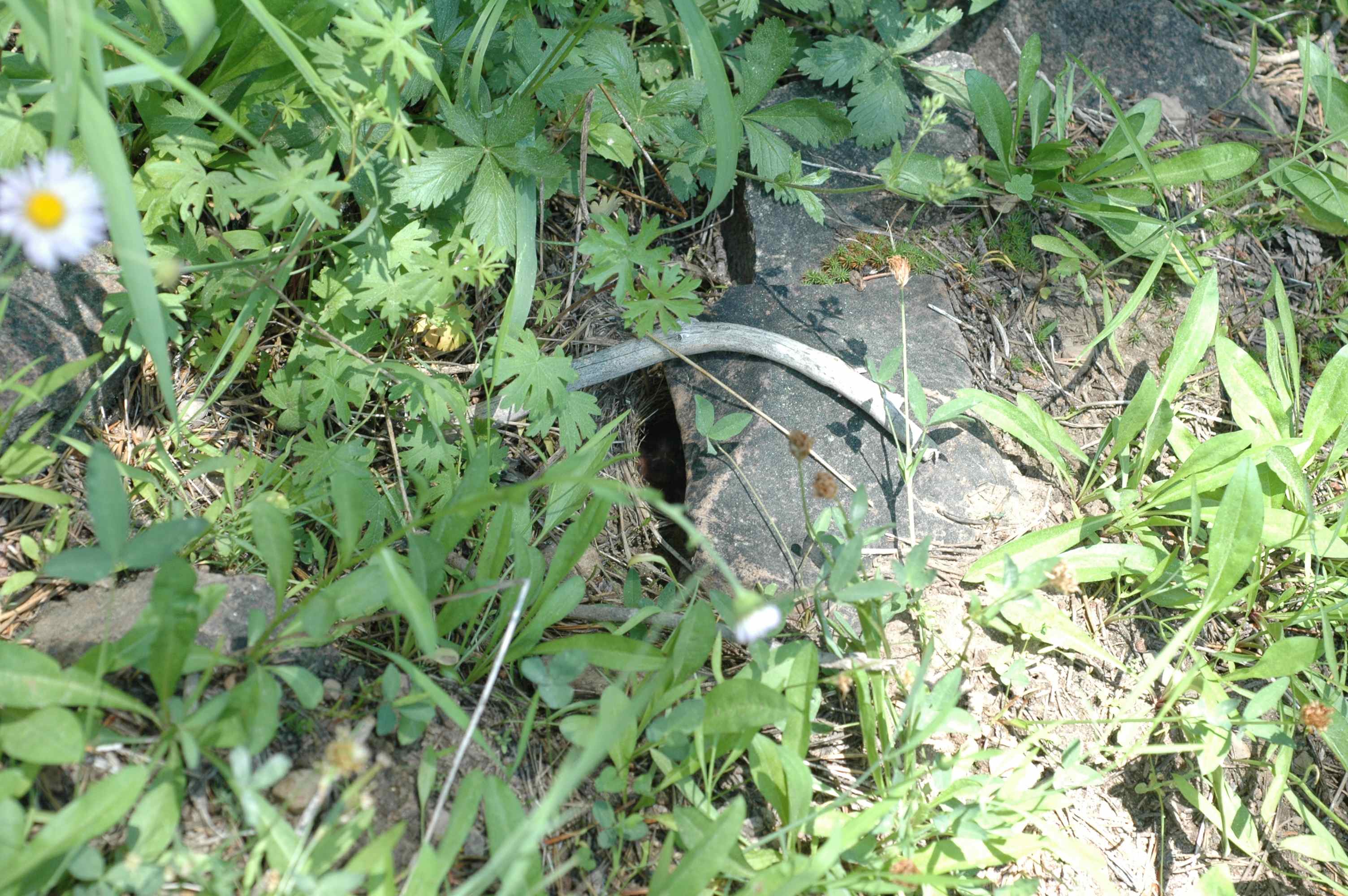
Sure enough, ARKM went down to the ground: he had a nest.

ARKM and MABY's nest, just under the rock.

ARKM and MABY’s nest, just under the rock.

Continue reading

Field season 2013 moments in photos

I’ve started planning the upcoming field season in a serious way now—deciding on dates, interviewing potential field assistants. It’s made me think a lot about last field season, and about how much I haven’t yet found an opportunity to mention in this blog. So this post is just going to be a selection of memorable things that happened last field season, without any real theme but with lots of photos.

The coolest insect I've ever seen in person. It looked like a piece of enameled jewelry.

The most beautiful insect I’ve ever seen in person. It looked like a piece of enameled jewelry.

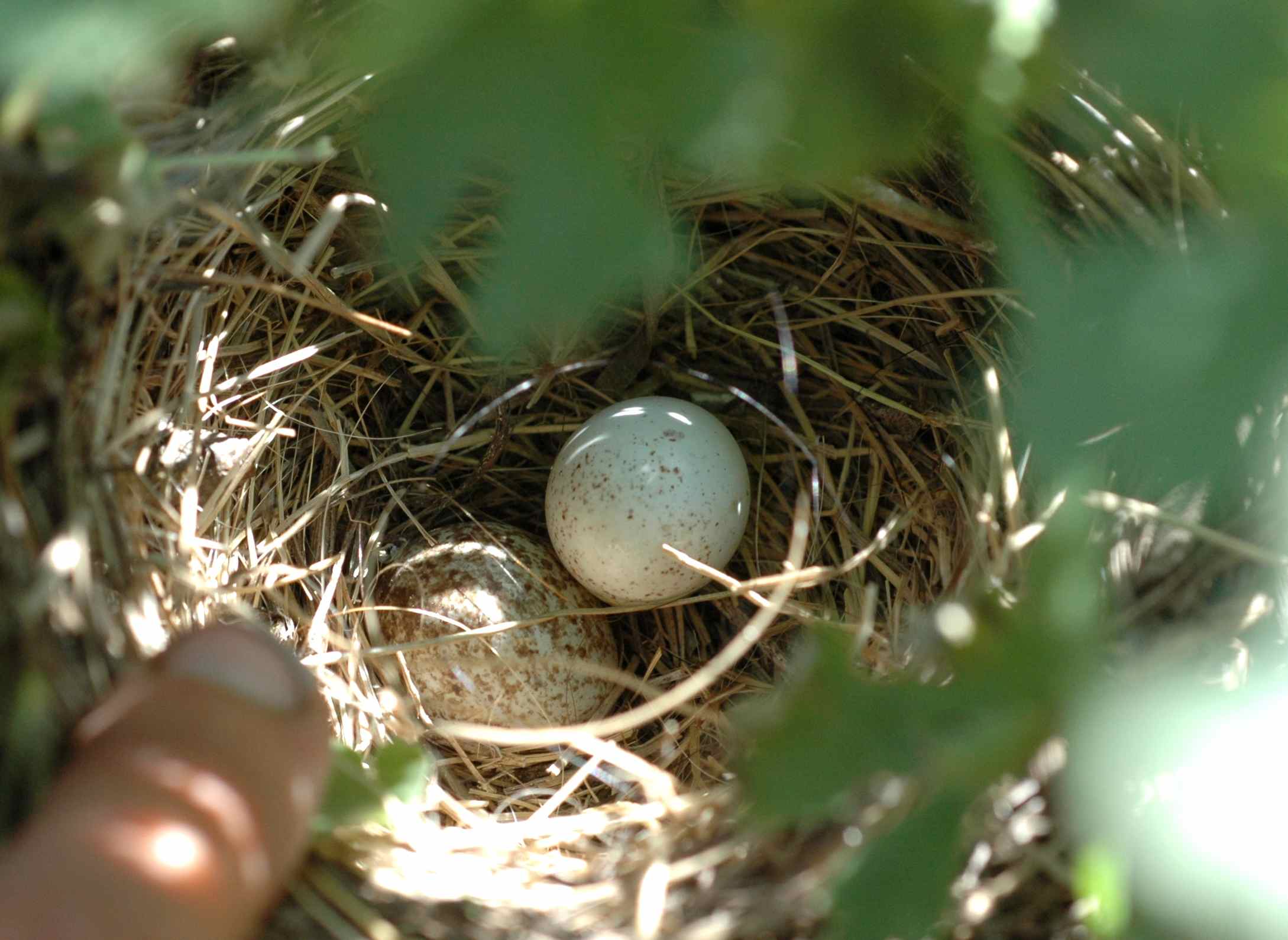
This nest had two chicks in it; when we took them out to band them, we found two unhatched eggs. The lighter one is a junco egg; the dark one is a cowbird egg. These juncos were lucky that the cowbird egg didn't hatch!

This nest had two chicks in it; when we took them out to band them, we found two unhatched eggs. The lighter one is a junco egg; the dark one is a cowbird egg. These juncos were lucky that the cowbird egg didn’t hatch!

Continue reading

“Ordinary Extraordinary Junco” and the wider world of juncos

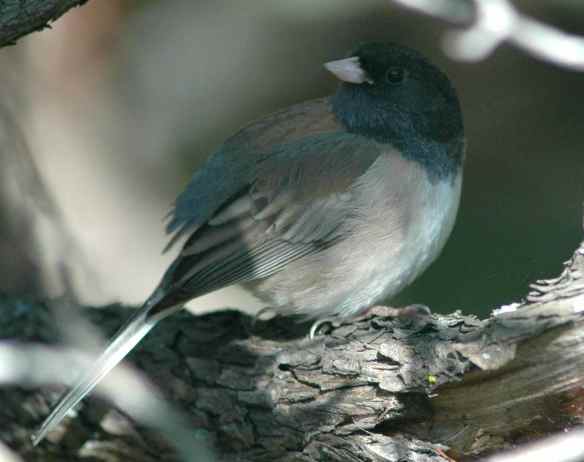
ARKM, a male junco from one of my study sites in the Sierra Nevada mountains

ARKM, a male junco from one of my study sites in the Sierra Nevada mountains. Photo by M. LaBarbera

Ah, my noble research junco. Dramatic black hood, peach flanks, rusty back, hopping around the Sierra Nevada mountains and (hopefully) giving me insights into behavior, life history, and adaptation to environmental variability. That’s the story you mostly get from this blog, because it’s the one that I’m most intimately wrapped up in. But it’s a very small piece of the larger world of juncos and junco research.

The Junco Project has produced a series of videos entitled “Ordinary Extraordinary Junco,” all about the wide world of junco research. The videos are wonderful, covering the research in an interesting and accessible way, and filled with great footage of juncos doing every possible thing. If you only have time to watch one, check out Chapter 2: Appalachian Spring, which shows the field methods that I also employ, like nest searching, mist netting, banding, and collecting blood. It’s one thing to see photographs, and quite another to see how these birds look in motion. (As you watch, try to ignore the sound of my so-intense-it’s-audible envy of the resources these junco researchers have—aviaries! eight field assistants! nest cameras! radio-tracking devices!)

Just as my research is one tiny part of junco research overall, my population of juncos is a tiny portion of the juncos that are out there – and many of them are quite different. The juncos in Berkeley, CA, despite being quite far away from the Sierra Nevada juncos and many thousands of feet lower in elevation, look pretty much the same as “my” juncos…

juncos_everywhere_Berkeley5

Continue reading

Could ducks in the water melt ice?

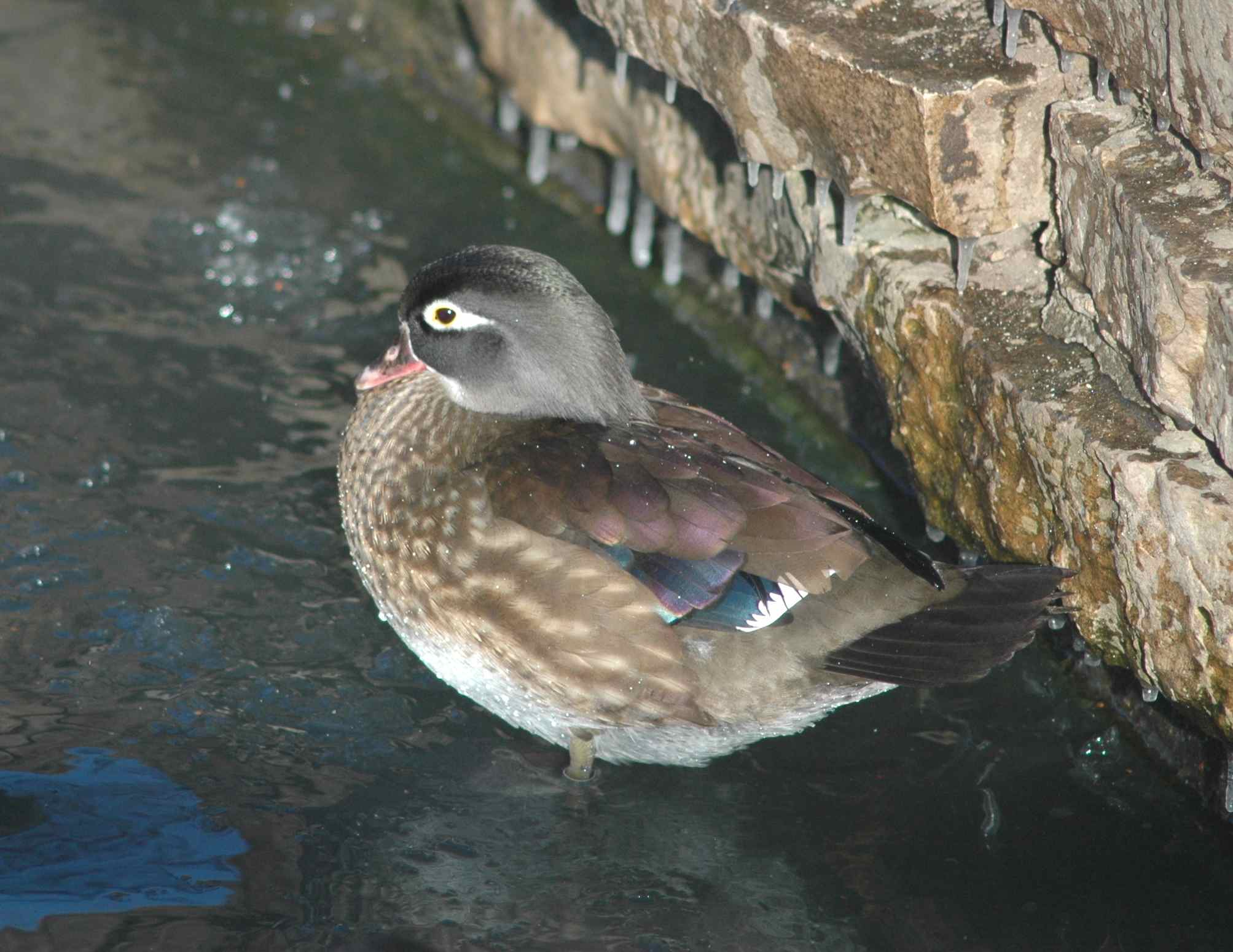
Female Wood Duck in Chicago in the winter.

Female Wood Duck in Chicago in the winter.

A reader question today! Dolores asks: Would the body heat of a modest mixed gathering of water birds (gulls, ducks etc) melt ice at the edges of a pond?

The answer to this depends on context. We can start by establishing some extreme end-points: one duck at the edge of a huge lake in way-below-freezing weather would not be able to melt any ice.

Female Common Goldeneye in Lake Michigan: it's a good thing the lake is already melted, 'cos you're not going to melt anything.

Female Common Goldeneye in Lake Michigan: it’s a good thing the lake is already melted, ‘cos you’re not going to melt anything.

Twenty ducks splashing around spiritedly in a kiddie pool with the barest skin of ice in weather just at the freezing point would probably, if you waited long enough, cause the ice to melt.

Between our two endpoints are more “normal” circumstances: a group of waterbirds hanging out at a pond. Could they melt any ice?

Continue reading

Ghost junco

ghost1

Isn’t he beautiful? He was caught in the hills in Marin County, not all that far from me, and kept in captivity until he died in 1931.

You might think he’s purely colorless at first glance, but he isn’t. He’s more blue-silver than white, an incredible color to come shining out of a drawer of junco specimens when you’ve just spent the last few weeks measuring the same brown-and-black birds over and over. When you look close you find that hidden in those pale feathers are the whispers of normal junco coloration.

Continue reading

Adoption in birds (really!)

Sometimes the titles of scientific papers are so surprising that they seem to transform into news headlines in my head:

Adoption of chicks by the Pied Avocet – Adoption of fledglings by Black and Red Kites – Caspian Terns fledge a Ring-billed Gull chick – Adoption of young Common Buzzards by White-tailed Sea Eagles

How can this be true? Raising chicks is hard; it takes energy and time and risk. Why would any bird make those sacrifices for an unrelated chick?

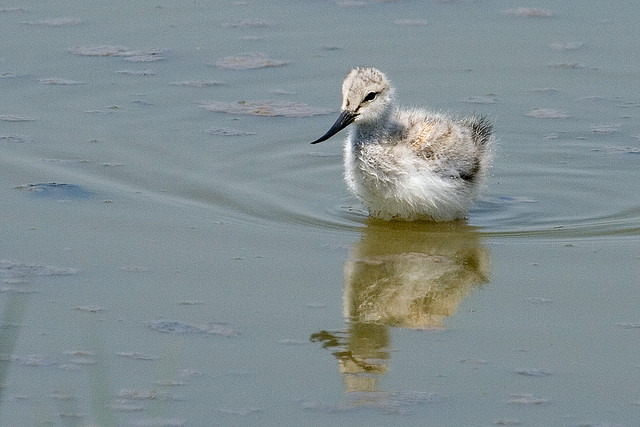
Okay, I would absolutely adopt this guy. Pied Avocet chick. Photo by Keith Marshall

Okay, I would absolutely adopt this guy.
Pied Avocet chick. Photo by Keith Marshall

Continue reading