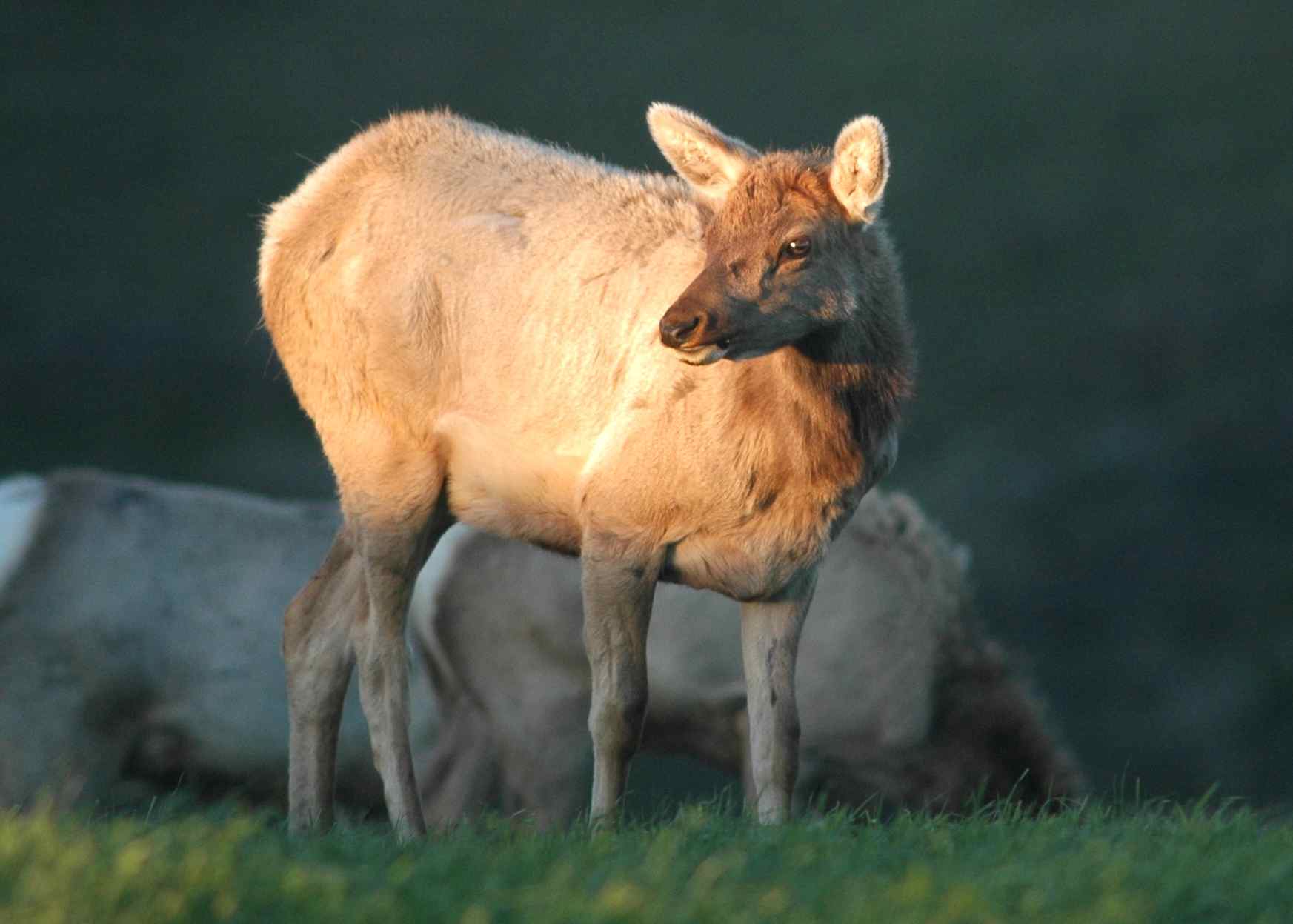
Photos: birds who know what they’re doing

The last week has felt very hectic, not just for me but for my whole lab. It seems we’re all prepping for a field season/writing a paper/learning how to solder under a microscope. (Okay, that last one might not apply to all of us.) Not only do I have too much to do, but I can’t seem to decide when I should be doing what. Is it most crucial to be writing the paper revisions that are due soon, or packing dinners for the field? Or wait, isn’t starting the camera batteries charging the first most-important thing? But if I don’t take the car to the mechanic before doing everything else, we won’t even be able to get to the field…

So, to balance out my crazy disorganized brain, here are some birds who are doing exactly what they need to be doing and not second-guessing themselves at all.
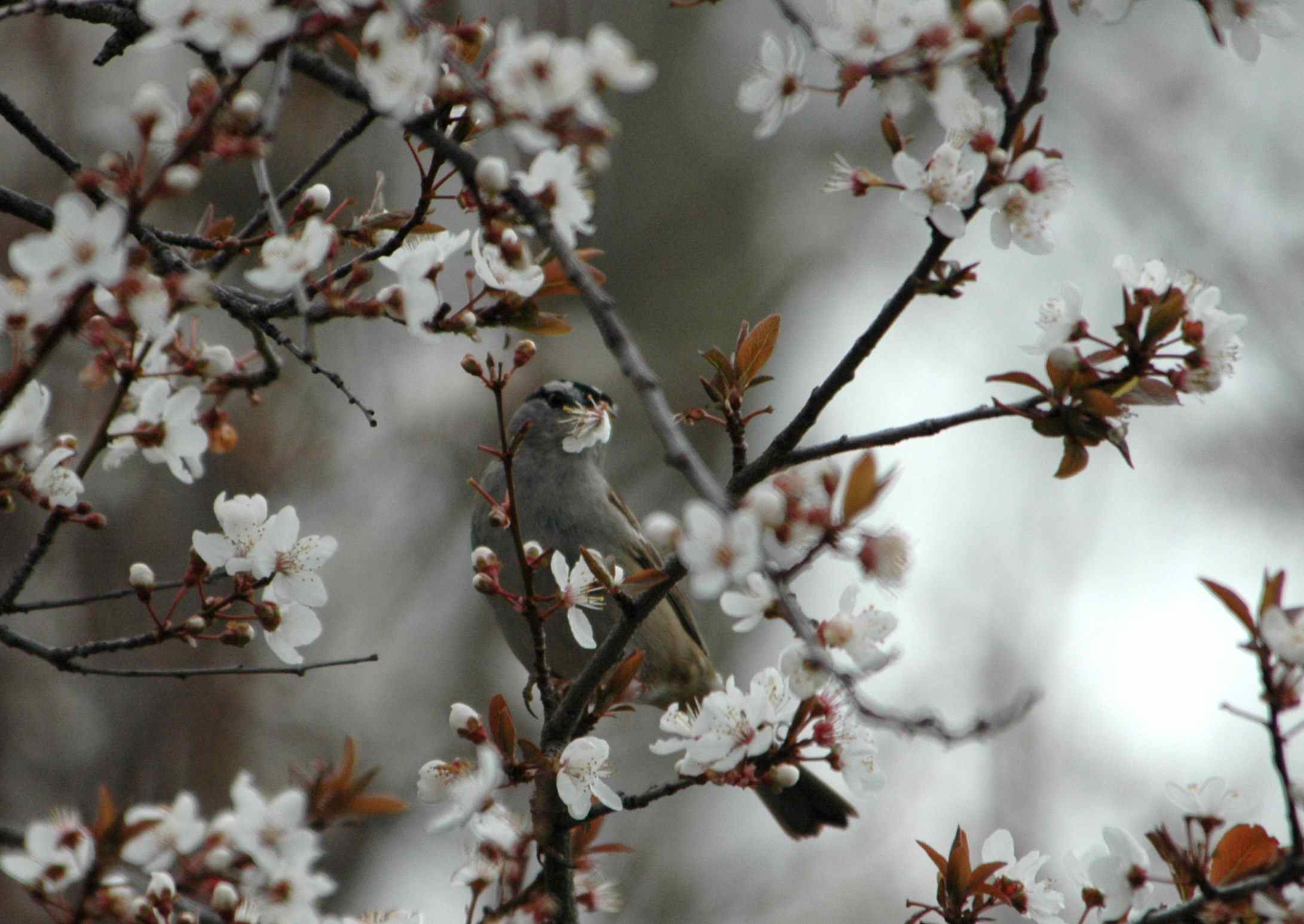
White-crowned Sparrow: eating a flower.

White-crowned Sparrow: eating a flower.

Black Phoebe: watching for bugs.
Black Phoebe: watching for bugs.

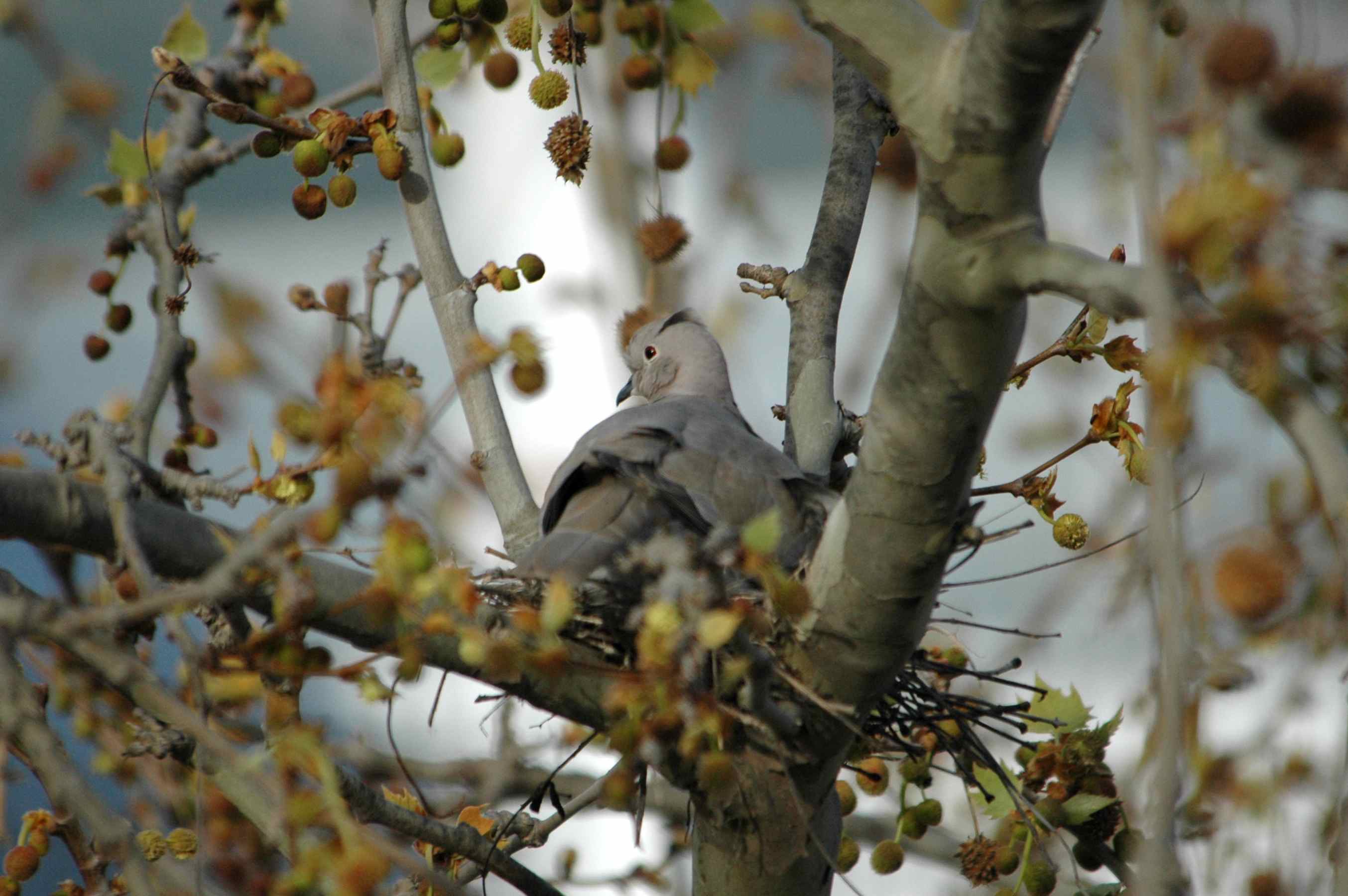
Eurasian Collared Dove: sitting on her nest.

Eurasian Collared Dove: sitting on her nest.

Continue reading

Animal visual illusions

Animals interact visually all the time. Males try to look big and scary to rivals, or sexy to females. Prey animals try to look inedible—or better, invisible—to predators. Sometimes these animals use visual trickery to assist their cause.

You’ve probably encountered visual illusions before. Here are some classic ones:

a) The vertical line looks longer than the horizontal line, even though they're both the same length. b) The top line looks longer than the bottom line, even though both are the same length. c) The middle circles are both the same size, but the one on the left looks bigger. d) The middle grey rectangle is just solid grey, but against the gradient background, it looks like a gradient. e) Both circles are the same shade of orange, but the one surrounded by black looks brighter.

a) The vertical line looks longer than the horizontal line, even though they’re both the same length. b) The top line looks longer than the bottom line, even though both are the same length. c) The middle circles are both the same size, but the one on the left looks bigger. d) The middle grey rectangle is just solid grey, but against the gradient background, it looks like a gradient. e) Both circles are the same shade of orange, but the one surrounded by black looks brighter.

Animals can use visual illusions a) and b) to appear bigger by changing their posture. Vertical stances make you look bigger than horizontal ones, and making a Y with your limbs looks bigger than letting them fall down. So if you’re a male peacock spider trying to look big and sexy to a female, you can raise a pair of back legs up in a Y to look bigger than you really are.

Peacock spider display. Photo by Jurgen Otto*

Peacock spider display. Photo by Jurgen Otto*

Continue reading

Why be shaped like a snake? (Also, weasels)

Here’s a puzzle: you’ve gone to all the bother to evolve fins, then limbs, and then even limbs with all these complicated joints and toes and whatnot—and then you lose them. Limbs all gone.

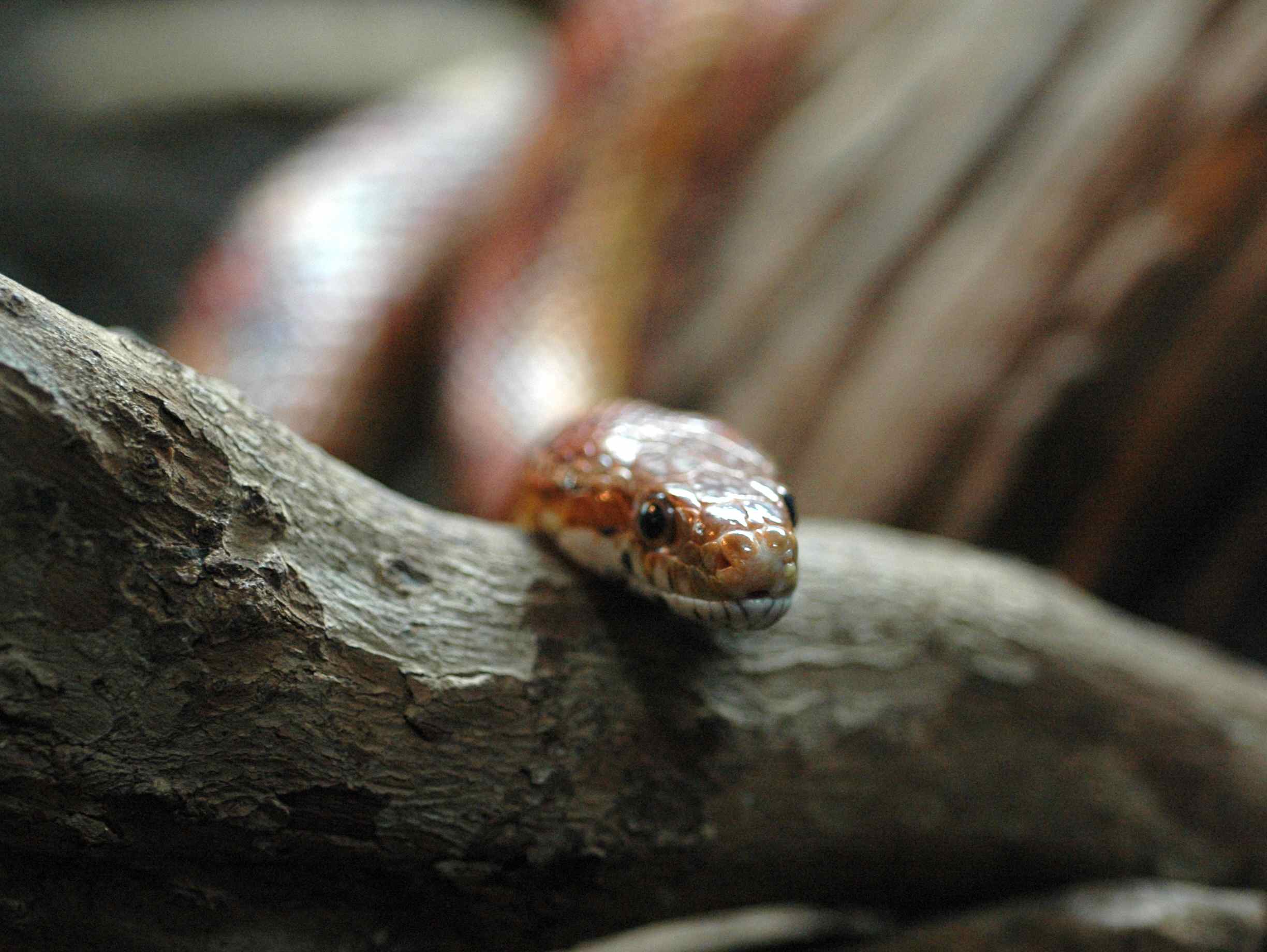
You're just a head and a tail now. Why, corn snake, why?

You’re just a head and a tail now. Why, corn snake, why?

This seems counterproductive, to say the least. Yet it isn’t just the snakes going in for the serpentine body plan: caecilians, amphisbaenians, and legless lizards lost their legs, too, and they aren’t evolved from snakes—these limbless animals all lost their limbs independently.

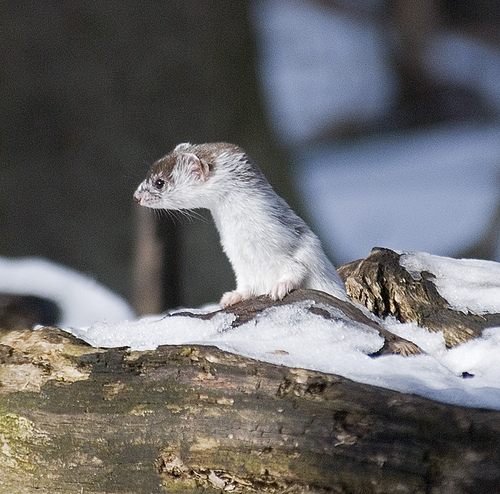
To understand how being snake-shaped might be adaptive, we’ll also consider some animals that are almost—but not exactly—snake-shaped: the mustelids, or weasels.

Least weasel. Photo by Sergey Yeliseev*

Least weasel. Photo by Sergey Yeliseev*

Continue reading

Winter Olympics: Animal Edition

Don’t get me wrong, the winter Olympics is fun and all, but isn’t it just a little bit small-minded to limit ourselves to human competitors? Here are some videos illustrating how great this athletic competition could be if we made it just a bit more inclusive (and added some new events):

Event: Team Vertical Iceberg Jump. Competitor: penguin

Event: Snow Diving. Competitor: red fox.

Continue reading

Anthropomorphism and how we think about animals

I once saw a talk by a scientist who works on jumping spiders—those colorful, fuzzy, big-eyed teddy bears of the spider world—in which the speaker paused, after discussing the spiders’ excellent vision (courtesy of their many eyes, which are of several different types and see in various ways) and their sensitivity to vibrations (which they perceive through their legs and through the many fine hairs covering their body), to wonder, “What does the world feel like to these animals? What is it like to be a jumping spider?”

What is it like to be something other than human? There is so much research touching on this question, studies asking everything from “How does a bee navigate?” to “Are rats kind?” It’s a fascinating question, and it’s incredibly difficult.

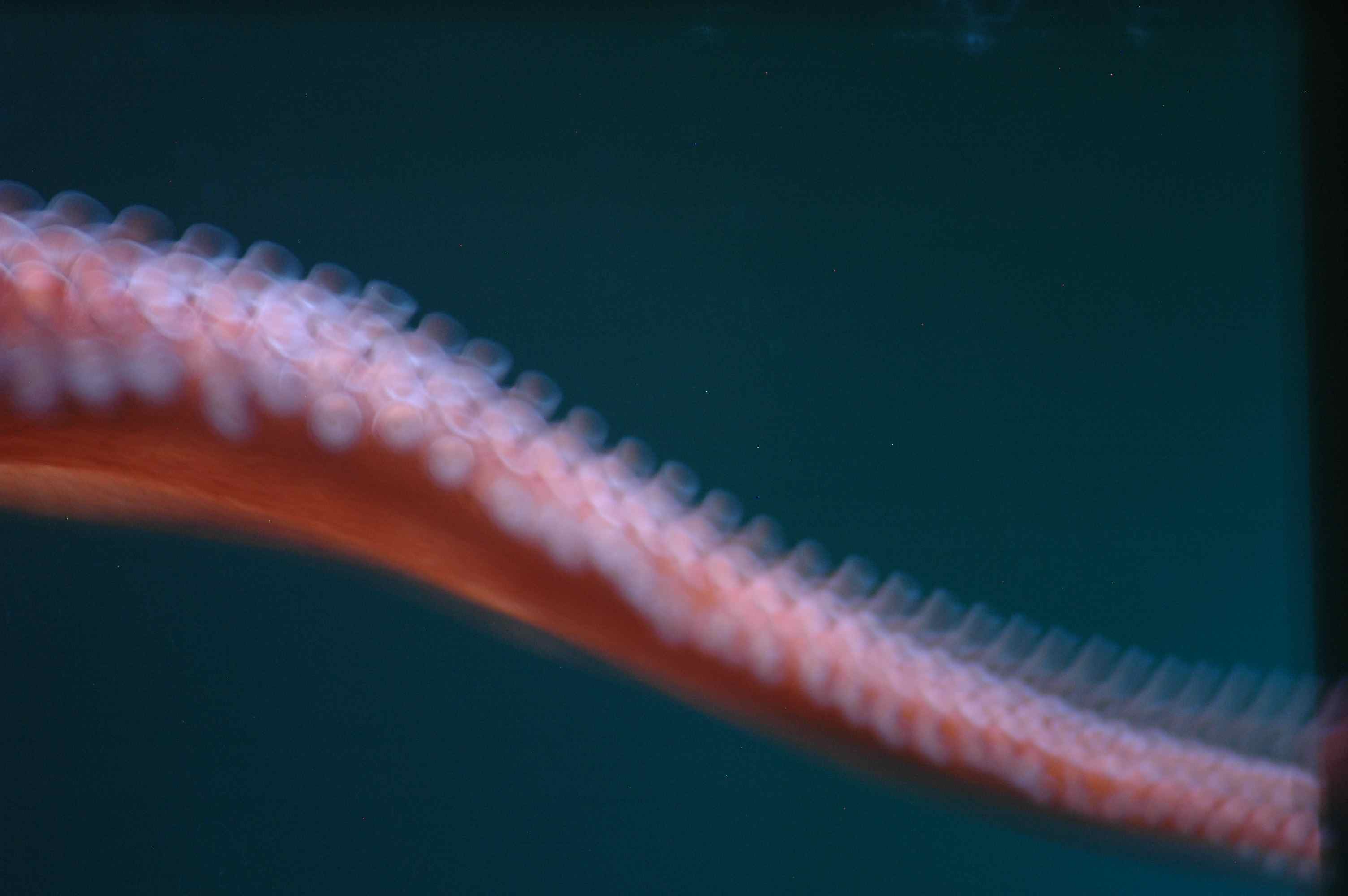
What is it like to be an octopus?

What is it like to be an octopus?

Continue reading

What happens to the animals when there is a fire?

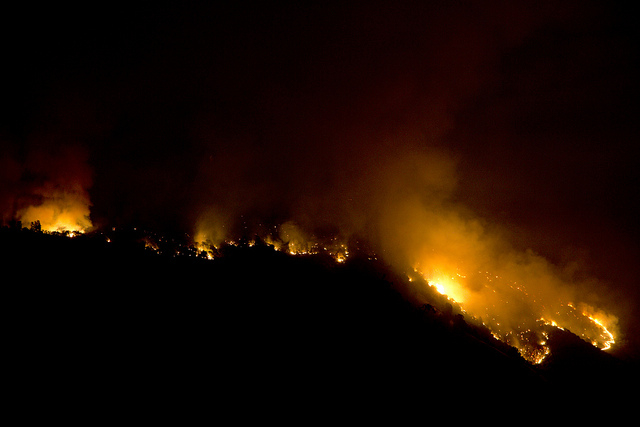
Rim Fire. Photo by Steve Ryan

Rim Fire.
Photo by Steve Ryan

You have (I hope!) seen news lately about the Rim Fire, which has been burning in Stanislaus National Forest next to Yosemite National Park. It began near the “Rim of the World” scenic viewpoint off Highway 120, and has been making Yosemite visitors and residents of Groveland quite nervous. It has burned over 200,000 acres and is reportedly 32% contained. A collection of pretty incredible photos of the fire is here.

First: no, this year’s juncos are not currently on fire. My field sites this year are in Stanislaus National Forest, but considerably further north. We have, however, seen smoke and had bits of white ash falling around us.

But of course, even if my juncos aren’t in the fire, other juncos are. And Chipping Sparrows, and American Robins, and mice, and gopher snakes… So what does wildlife do when the world starts burning around it? Are all the animals in that 200,000+ acres doomed?

Continue reading

Higgledy piggledy, zoologistically

Recently my mom sent me this link to a collection of “higgledy piggledy” (or “double dactyl”) poems. These poems are a bit like limericks, in that they are short, catchy, and usually silly. Since several of the poems were science-y, I thought I’d write some zoologically themed ones of my own. (I didn’t follow the form perfectly, but I did my best.)

Also: fear not, this does not mark the beginning of this becoming Katie’s Nature Poetry Blog. Tough Little Birds’ regular scientific programming will resume shortly.

————————————–

Chrysopelea

High-soaring leglessness

floating through canopy:

fast transportation with

no way to brake.

Aerodynamically

he’s a mere glider but

anyway we say he’s

“flying,” this snake.

Continue reading

Animal April Fools

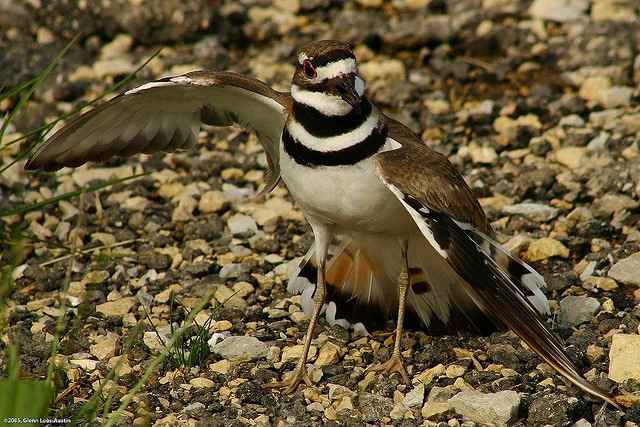
Oh no! I broke my wing! I’m so injured and defenseless and tasty!

Look how broken my wing is! Are you looking? Ooh, it stings!(Photo by Glenn Loos-Austin)

Look how broken my wing is! Are you looking? Ooh, it stings!
(Photo by Glenn Loos-Austin)

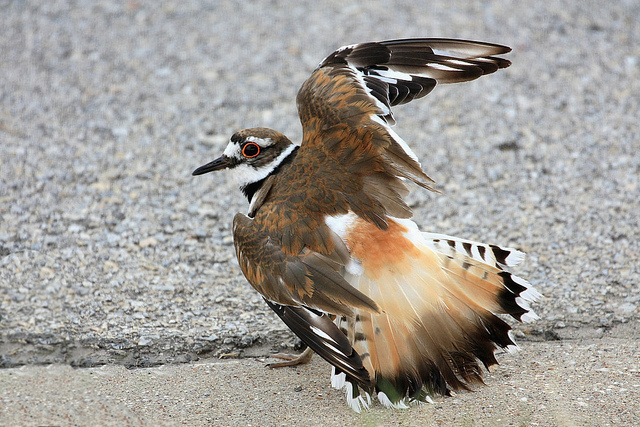
Ooh better follow me as I flop brokenly over this way!(Photo by Ken Slade)

Ooh better follow me as I flop brokenly over this way!
(Photo by Ken Slade)

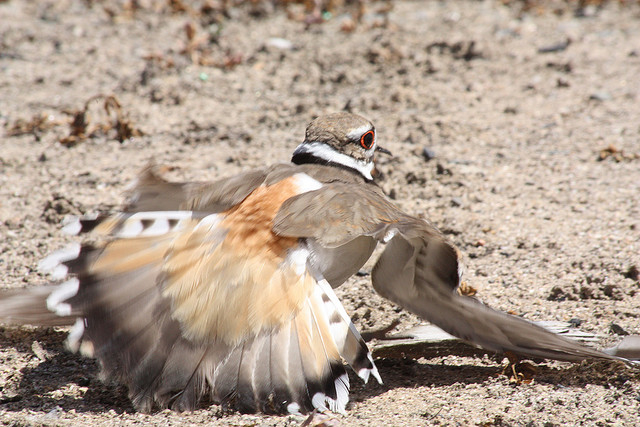
Ouch ouch! What a flailing broken mess of deliciousness I am being over here!(Photo by Jon Rutlen)

Ouch ouch! What a flailing broken mess of deliciousness I am being over here!
(Photo by Jon Rutlen)

Continue reading

Research is personal (two quotes)

Quote 1 – preface to reviews accompanying the rejection of my application for a grant

“In reading the reviews, please keep in mind that the reviews are… [not addressed] to you, the investigator… Some reviews may contain irrelevant, non-substantive, erroneous or ad hominem statements.”

I love that last sentence – it’s both horrible and hilarious. I would probably find it less hilarious if there had actually been any ad hominem attacks in the reviews I received, but my reviewers were all professional. I can easily imagine how there might be less professionally objective reviews, however.

"This applicant is, personally, the sole reason why we haven't solved deforestation and climate change! Not only shouldn't we give her money, we should actually steal money from her when she isn't looking! Come on, Review Committee, who's with me?"

“This applicant is, personally, the sole reason why we haven’t solved deforestation and climate change! Not only shouldn’t we give her money, we should actually steal money from her when she isn’t looking! Come on, Review Committee, who’s with me?”

Continue reading