Photos: birds who know what they’re doing

The last week has felt very hectic, not just for me but for my whole lab. It seems we’re all prepping for a field season/writing a paper/learning how to solder under a microscope. (Okay, that last one might not apply to all of us.) Not only do I have too much to do, but I can’t seem to decide when I should be doing what. Is it most crucial to be writing the paper revisions that are due soon, or packing dinners for the field? Or wait, isn’t starting the camera batteries charging the first most-important thing? But if I don’t take the car to the mechanic before doing everything else, we won’t even be able to get to the field…

So, to balance out my crazy disorganized brain, here are some birds who are doing exactly what they need to be doing and not second-guessing themselves at all.
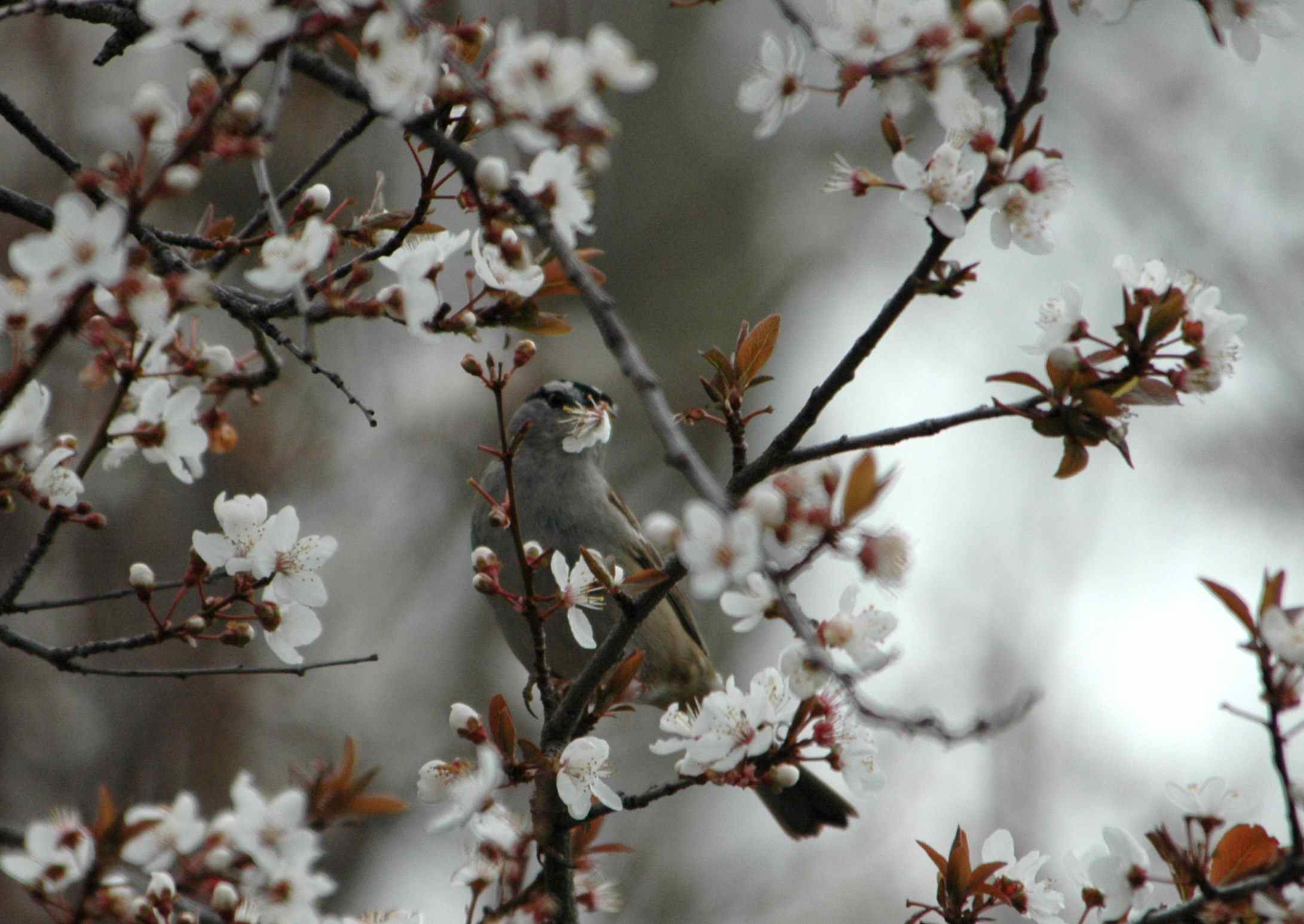
White-crowned Sparrow: eating a flower.

White-crowned Sparrow: eating a flower.

Black Phoebe: watching for bugs.
Black Phoebe: watching for bugs.

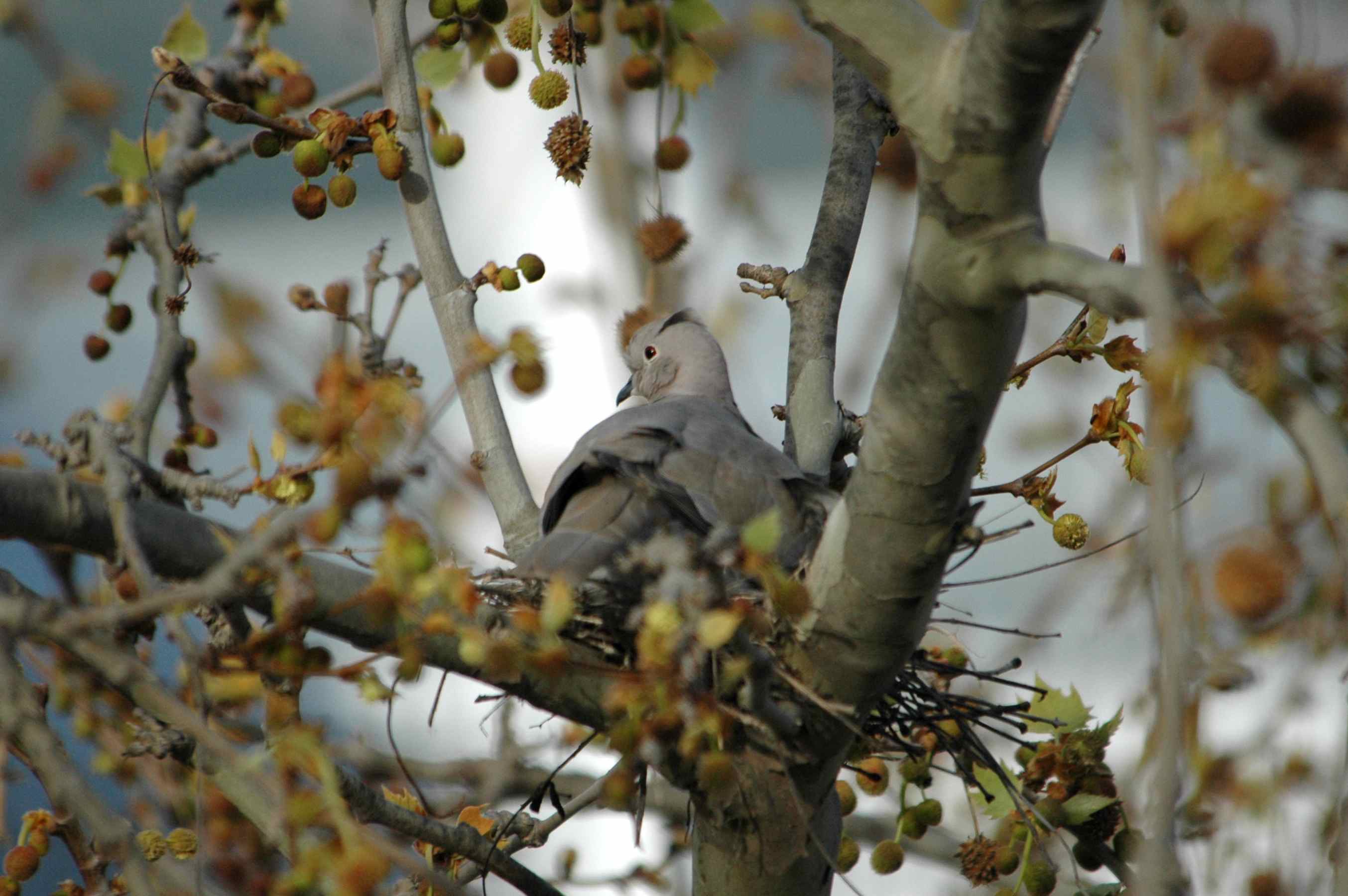
Eurasian Collared Dove: sitting on her nest.

Eurasian Collared Dove: sitting on her nest.

Continue reading

Animal visual illusions

Animals interact visually all the time. Males try to look big and scary to rivals, or sexy to females. Prey animals try to look inedible—or better, invisible—to predators. Sometimes these animals use visual trickery to assist their cause.

You’ve probably encountered visual illusions before. Here are some classic ones:

a) The vertical line looks longer than the horizontal line, even though they're both the same length. b) The top line looks longer than the bottom line, even though both are the same length. c) The middle circles are both the same size, but the one on the left looks bigger. d) The middle grey rectangle is just solid grey, but against the gradient background, it looks like a gradient. e) Both circles are the same shade of orange, but the one surrounded by black looks brighter.

a) The vertical line looks longer than the horizontal line, even though they’re both the same length. b) The top line looks longer than the bottom line, even though both are the same length. c) The middle circles are both the same size, but the one on the left looks bigger. d) The middle grey rectangle is just solid grey, but against the gradient background, it looks like a gradient. e) Both circles are the same shade of orange, but the one surrounded by black looks brighter.

Animals can use visual illusions a) and b) to appear bigger by changing their posture. Vertical stances make you look bigger than horizontal ones, and making a Y with your limbs looks bigger than letting them fall down. So if you’re a male peacock spider trying to look big and sexy to a female, you can raise a pair of back legs up in a Y to look bigger than you really are.

Peacock spider display. Photo by Jurgen Otto*

Peacock spider display. Photo by Jurgen Otto*

Continue reading

I might have started the field season a little too early

Last year, I started the field season as soon as the university spring semester ended, because my field assistants were undergraduates and needed to take their finals before heading off into the mountains. That turned out to be too late, as we found that some of the juncos had started breeding without us. So this year I found some awesome non-undergraduate volunteers and went out earlier.

But I might have started a little too early.

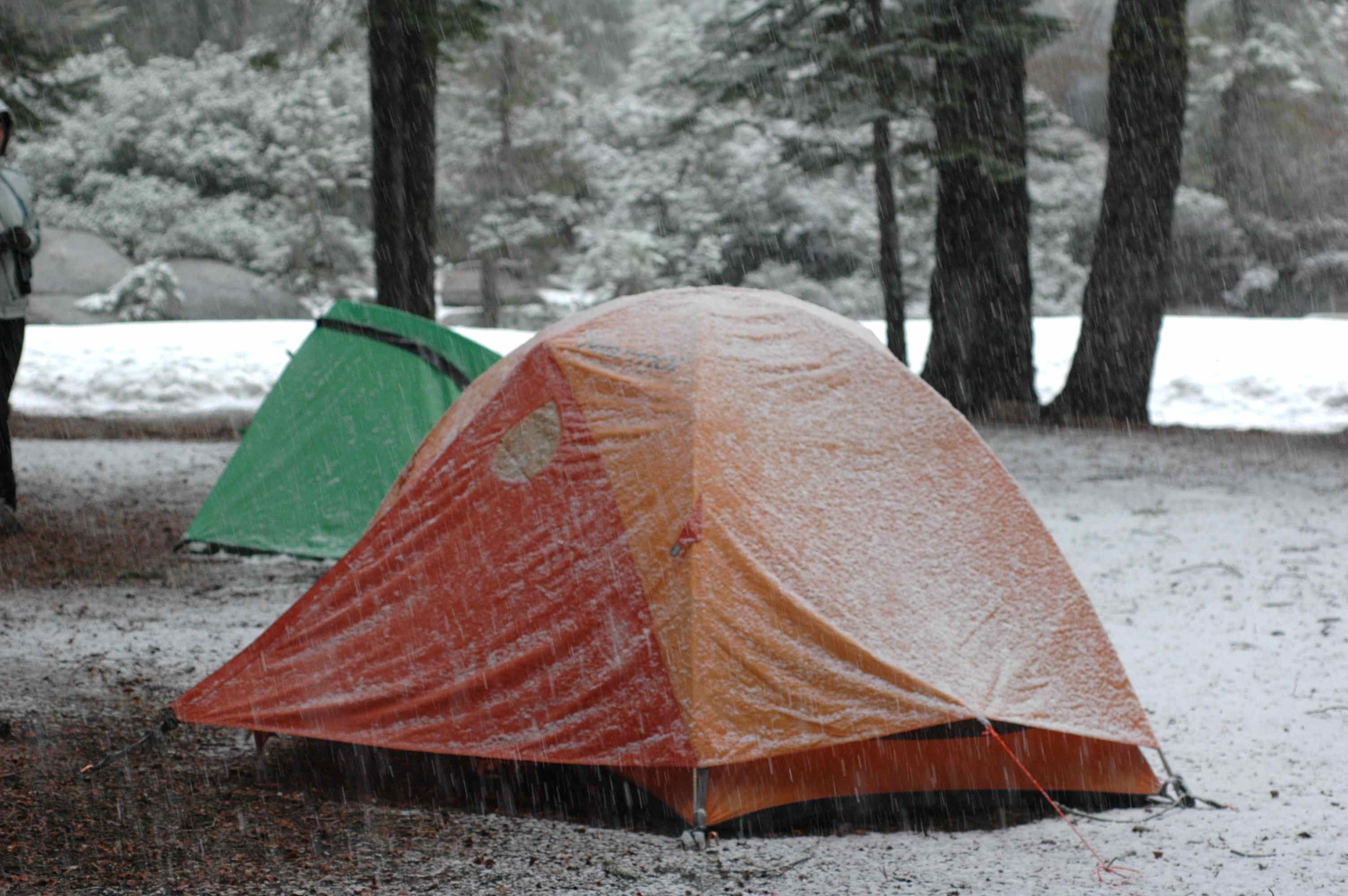
My tent, our first morning in the field.

My tent, our first morning in the field.

We’d known it was going to rain, and I thought it had – a particularly light-sounding rain pattering on my tent throughout the night. When I woke up I thought my tent had been covered in seeds washed loose by the rain. Then I stuck my head outside.

In fact it was better than rain: drier, and still permitting us to boil water for breakfast.

Our stoves boiling water for breakfast.

Our stoves boiling water for breakfast.

Continue reading

Getting ready…

Suddenly it seems like everything is happening at once. The project for which I spent months measuring museum specimens has abruptly transformed (with the help of some key collaborators) into analyzable data, with statistical models and graphs and potential paper titles. The start of the field season, so far away for so long, is next week. And I’m giving a guest lecture to a large class today, which, although I’ve done it before, has been the occasion for some minor panic on my part.

After all this I will relax with some Sanderling bowling.

After all this is over, I will relax with some Sanderling bowling.

Continue reading

Spend your weekend watching these live bird cams

First, and undoubtedly oddest, is the Piip Show, which is a “bird reality show” (read: livestream from a birdfeeder shaped like a bar) from a Norwegian television network. Apparently this is an experiment in “slow tv,” which I did not know was a thing. Follow this link and click the red arrow in the bottom-left corner of the picture to watch live, or scroll down a few lines to watch a popular clip (the birds are at the end of the clip). As an American, I’m enjoying watching the exotic-looking-to-me birds like Blue Tits. Thanks to Rachel for the tip!

The Decorah Bald Eagles are back, and as I type this, a very small small grey-fuzzed chick is struggling to get out from under its rather bemused-looking parent.

The Cornell Lab of Ornithology maintains a number of excellent bird cams. My recent favorite has been the Laysan Albatross one on Kauai, HI, not least because the time difference means you can watch it in daylight even when it’s quite late for you if you live in the continental US. Also, the chick looks like a wet mop. The chick is named Kaloakulua and was recently identified as female. Sometimes she is visited by nonbreeding adult albatrosses doing lovely practice courtship dances, and it’s interesting to see how long the chick is left alone as the parents forage: sometimes they don’t return to feed her for weeks.

Continue reading

Safe behind these castle walls, eggs: how birds’ nests protect their precious contents

Recently I was lucky enough to spend some time in Spain, where the land is dotted with hilltop castles and the winding narrow streets of the old cities are encircled by sturdy stone walls. I crouched behind crenellations, pretending to be a bowman awaiting attack, and climbed dark winding staircases glad that no defending army waited at the top.

Winding staircase in the Olvera castle. Photo by Q. Stedman

Winding staircase in the Olvera castle.
Photo by Q. Stedman

It’s exciting and romantic to imagine castles and walled cities in the flush of functionality, but it’s hard to ignore that the motivating force for those structures was real, unromantic, gut-knotting peril and fear. The people who lived in those cities put up thick stone walls with their hands because they thought other people were going to come and unromantically kill them—which they sometimes did.

Gulls standing guard over Tarifa.

Gulls standing guard over Tarifa.

When birds build nests, they’re responding to that same threat. Eggs and baby birds are easy targets for anything from mice to snakes to deer to toucans. To keep them safe, birds too rely on stout walls, secret passageways, and defending armies.

Continue reading

Why be shaped like a snake? (Also, weasels)

Here’s a puzzle: you’ve gone to all the bother to evolve fins, then limbs, and then even limbs with all these complicated joints and toes and whatnot—and then you lose them. Limbs all gone.

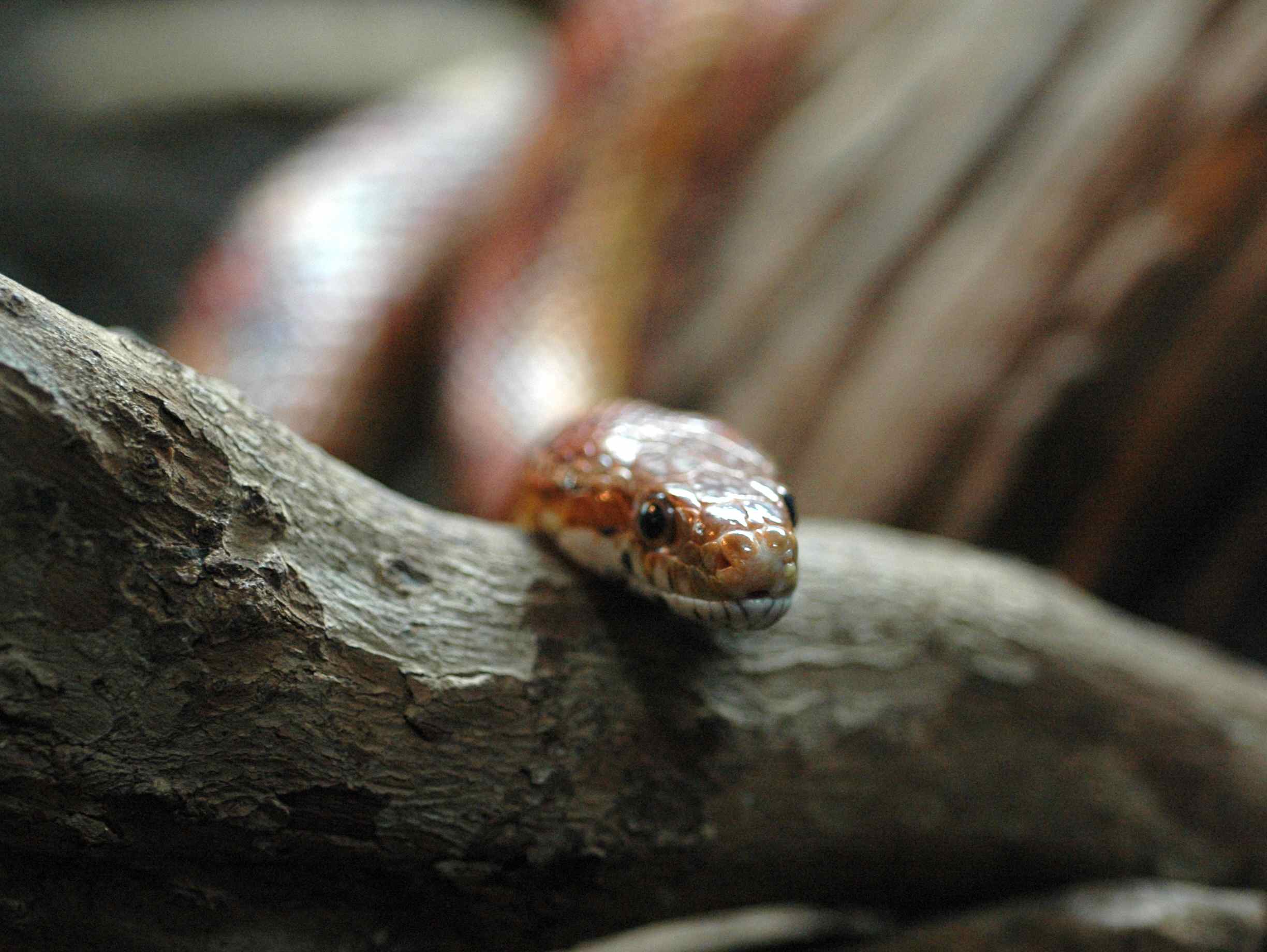
You're just a head and a tail now. Why, corn snake, why?

You’re just a head and a tail now. Why, corn snake, why?

This seems counterproductive, to say the least. Yet it isn’t just the snakes going in for the serpentine body plan: caecilians, amphisbaenians, and legless lizards lost their legs, too, and they aren’t evolved from snakes—these limbless animals all lost their limbs independently.

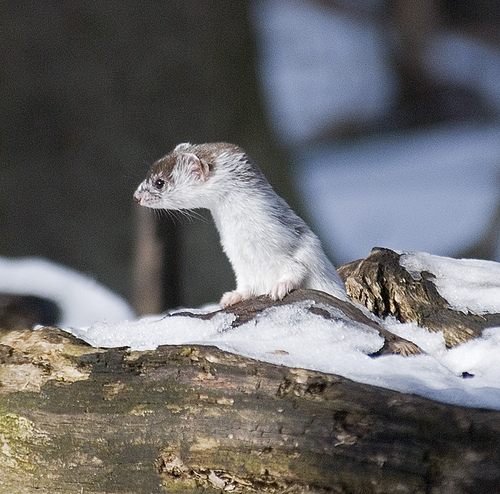
To understand how being snake-shaped might be adaptive, we’ll also consider some animals that are almost—but not exactly—snake-shaped: the mustelids, or weasels.

Least weasel. Photo by Sergey Yeliseev*

Least weasel. Photo by Sergey Yeliseev*

Continue reading

What we know about one nest

On July 1, 2013, we caught a female junco who we banded MABY.

MABY

MABY

An already-banded male, ARKM, seemed very upset about this. Sometimes juncos do hang around when we band their mates—it’s rather sweet to see them reunite when the banded birds are released—but ARKM’s behavior seemed different to me, so after we released MABY, I lurked behind a tree and watched.

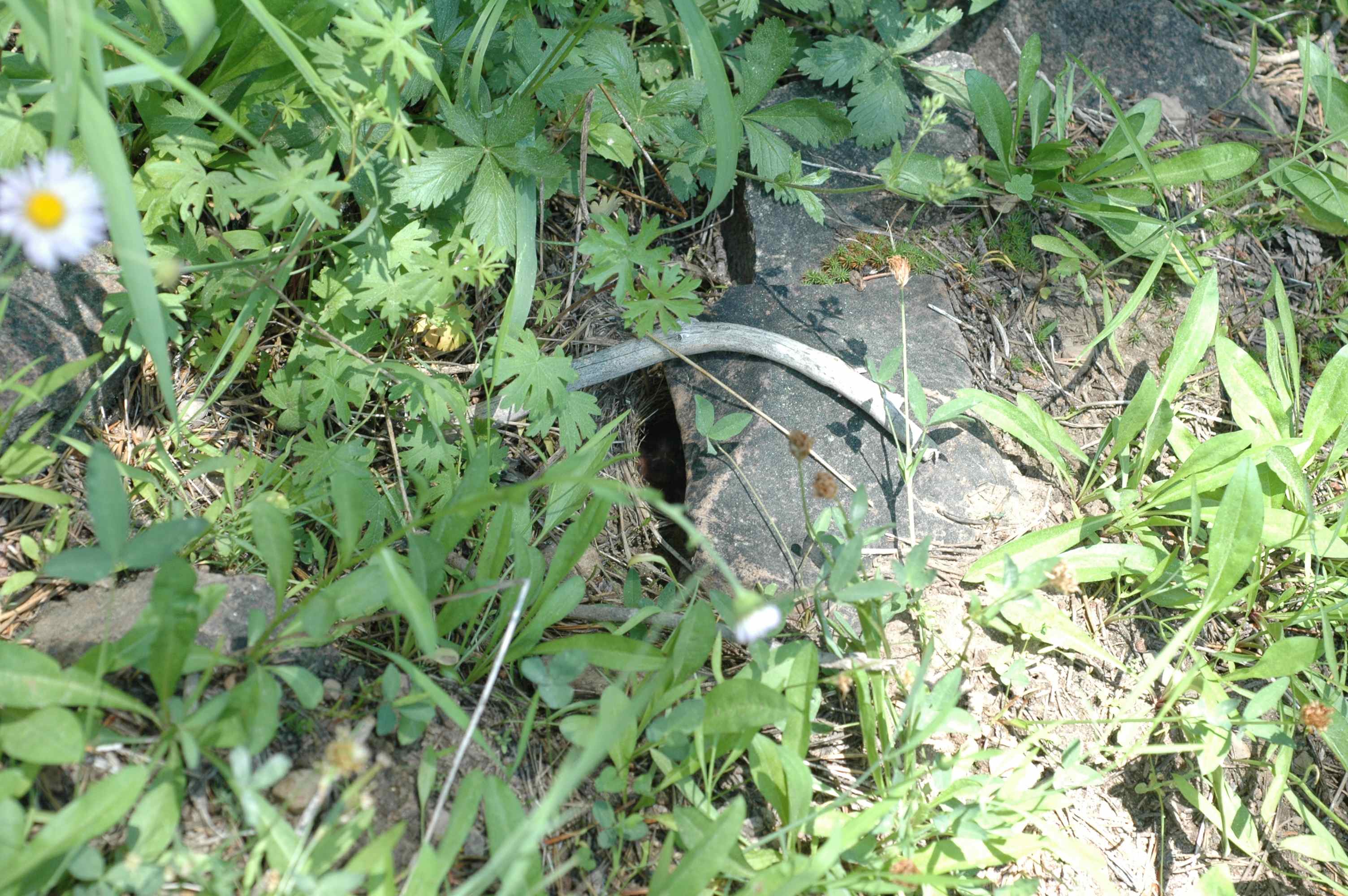
Sure enough, ARKM went down to the ground: he had a nest.

ARKM and MABY's nest, just under the rock.

ARKM and MABY’s nest, just under the rock.

Continue reading