Photo sequences: vulture vs. rake; flamingo fight

At the Lincoln Park Zoo in Chicago recently, I got the chance to see some particularly charismatic birds, including a colony of squabbling flamingos, and Sophia the young Cinereous Vulture. Abandoned as an egg, Sophia was raised by humans—with a vulture puppet—until she was old enough to rejoin her parents.
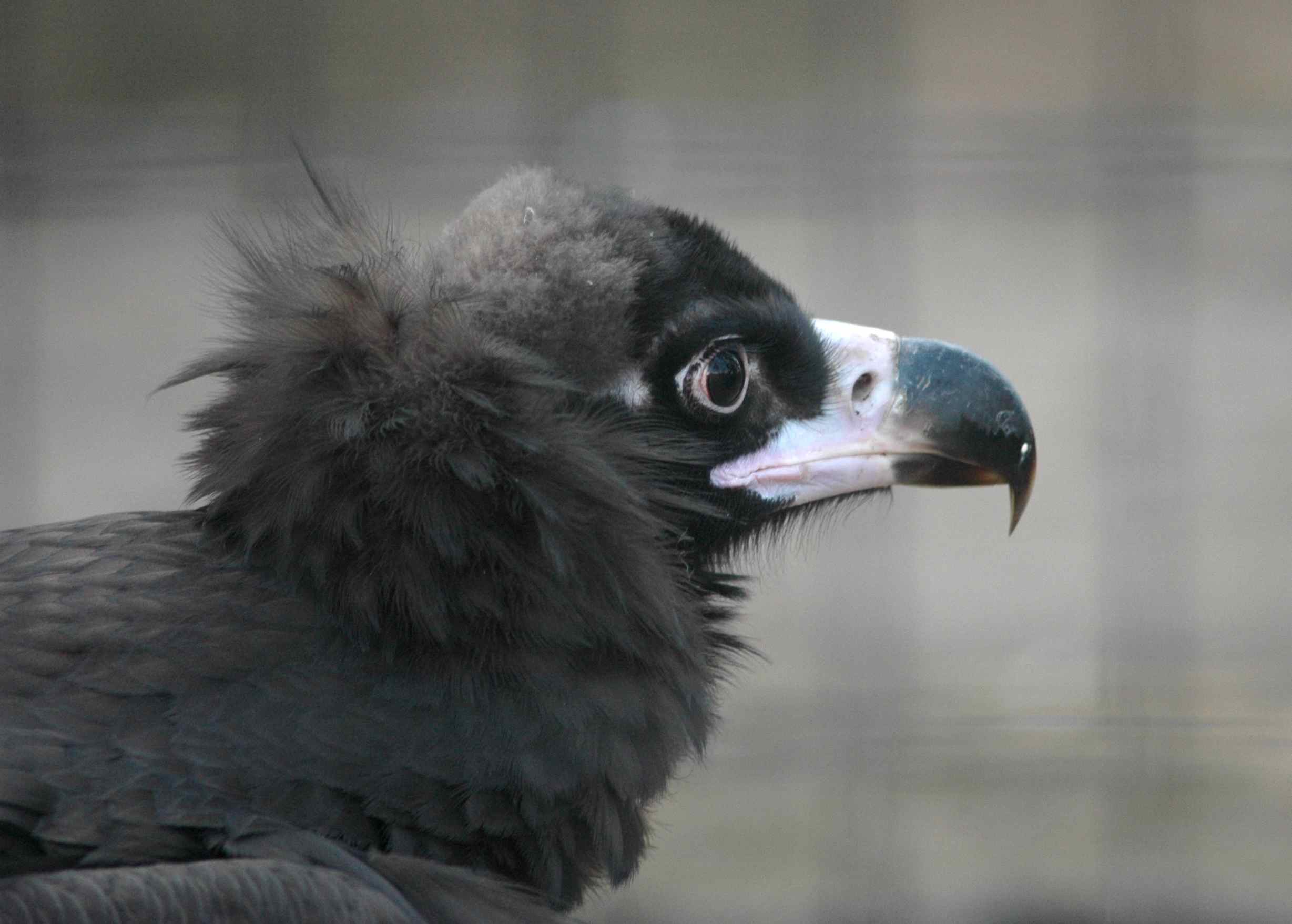
Sophia the Cinereous Vulture, at the Lincoln Park Zoo in Chicago.

Sophia the Cinereous Vulture, at the Lincoln Park Zoo in Chicago.

The morning I saw her was overcast and cold, but she was in high spirits: a man was raking her enclosure, and while her parents mostly ignored him, Sophia was fascinated. She chased the rake; he shooed her away; she stalked it. “I helped to raise her,” the man said; then, rolling his eyes, “It’s impossible to get anything done with her around.” Eventually he dropped the rake, and Sophia got to investigate.
Continue reading

Funny-looking birds look like that for a reason

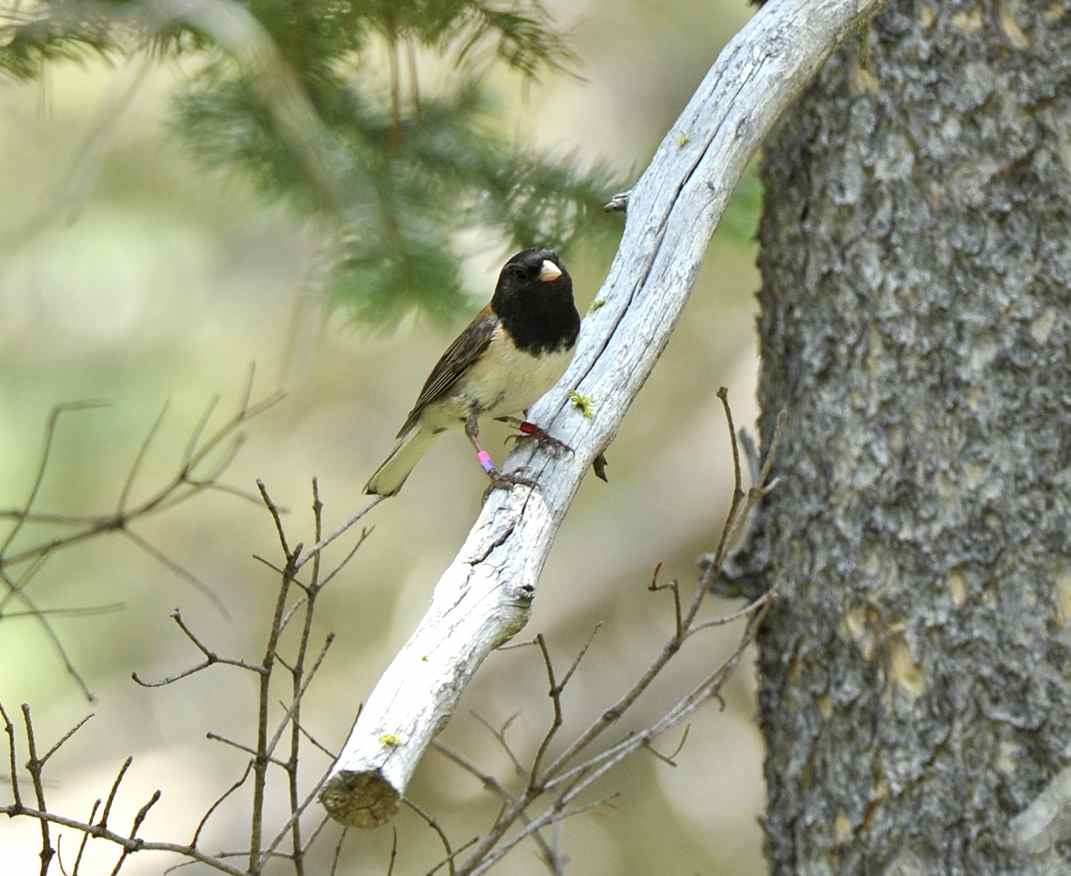
ARKM the Dark-eyed Junco showing off his perfect birdiness. Photo by M. LaBarbera

ARKM the Dark-eyed Junco showing off his perfect birdiness.
Photo by M. LaBarbera

I think we can all agree that the junco is pretty much the Ideal Bird. Ask any small child. Brownish, feathers all over, small round body, short neck, cute twiggy legs, little triangle for a bill: that’s what a bird looks like.

Um...

Um…

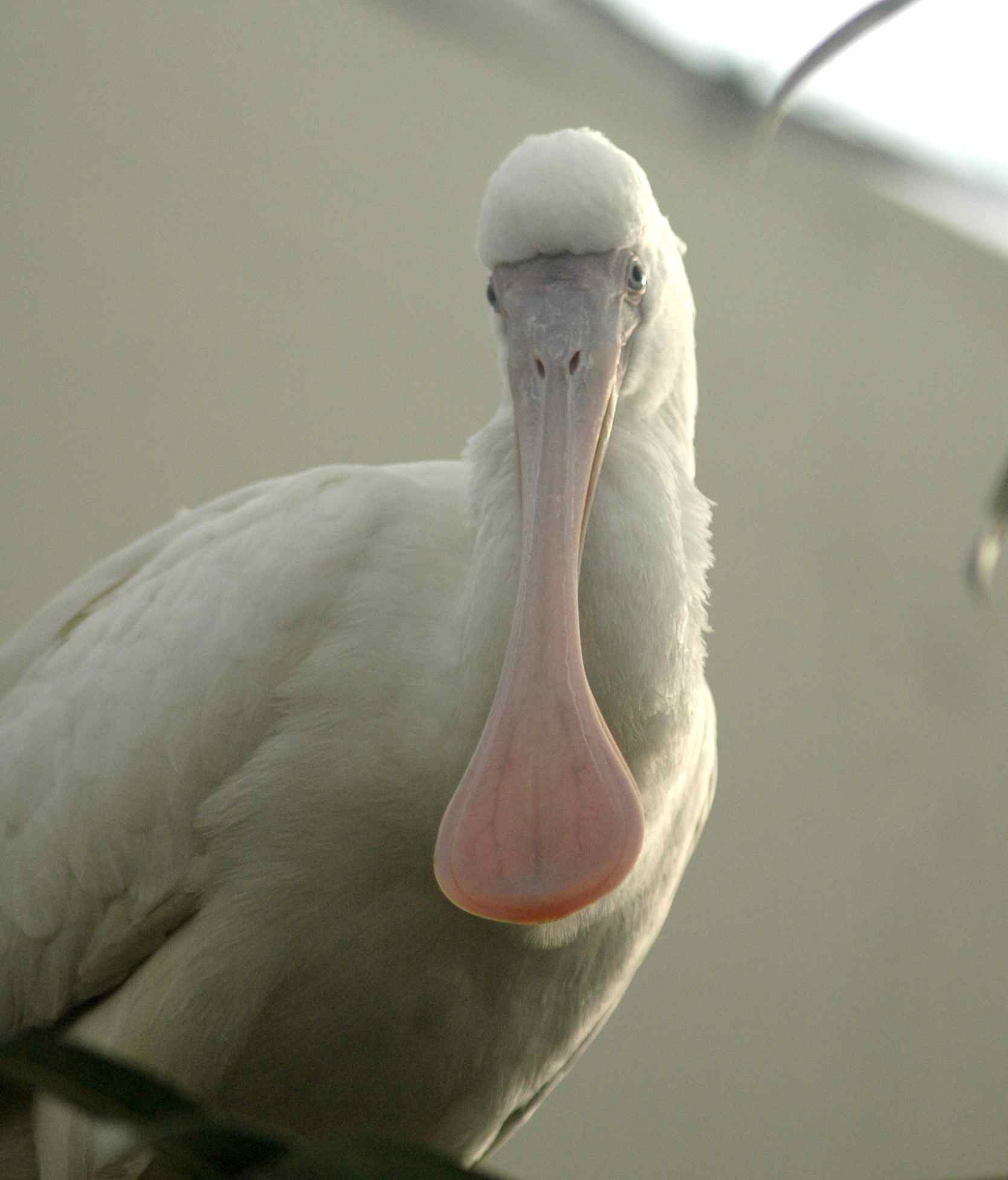
Or not. None of the following birds look like a small child’s quintessential Bird, because these birds—with their spoonbills, mustaches, and scary dinosaur feet—are awesome weirdos.

Continue reading

How I got into research

In the sciences we think a lot about how to recruit more [insert underrepresented group here]. There are a lot of challenges to this, such as that many people may not know that there are real paying jobs to be had studying animals/chemicals/theoretical physics, or that many entry-level research positions pay next to nothing so you have to have a certain level of financial security just to start out in the field. But even if you know the jobs exist, and even if you have figured out the finances somehow, you still have to have the confidence to go for it, and that can be difficult. It’s easy to think that you don’t know enough to start research, or that everyone else must know more than you do.

So this is How I got into research: or, I promise you are not less qualified than I was, so just go for it.

Continue reading

Herps of the field 2013

Considering how much time we spent in the field, and that one of my field assistants was by natural inclination a herpetologist, we found surprisingly few herps (reptiles and amphibians) this summer.

Pacific treefrog (subspecies: Sierran treefrog)

 This guy comes in brown or green. The two morphs look very different from each other:

Brown morph

Brown morph
Photo by M. LaBarbera

"Green" morph (I think he looks more golden)

Green morph

Continue reading

Come on, government, you can do it…

The butterfly was a California Sister. Photo by M. LaBarbera

A California Sister butterfly on my hand. Photo by M. LaBarbera

This summer in the field, once, a butterfly landed on my hand. I am reminded of it now that the government is maybe going to think about reopening and not plunging the world into economic crisis. Except that the butterfly was a delicate and beautiful creature that I felt might startle at any moment, while the government is… well, it might startle at any moment, but the other adjectives do not apply.

Come one, government! Do it for this crazy reverse-colored ladybug! And also, you know, for people.

A Rathvon's lady beetle from my study area. Photo by M. LaBarbera.

A Rathvon’s lady beetle from my study area. Photo by M. LaBarbera.

UPDATE: Huzzah.

Shutdowns and outages: when infrastructure fails science

Last night, my university’s campus suffered a power outage, possibly due to the theft of copper grounding cables. Everyone—well, everyone not trapped in an elevator—was ordered to evacuate campus, which turned out to be a good call, because a backup generator then exploded, spitting flames two stories high. (No one was seriously injured.)

My scientist colleagues and I, while worrying about the trapped elevator people and the explosion, had one more thing to sweat over: our samples. If the freezers in our building go down, they can take years’ worth of research samples with them. One of my labmates had just returned from the field the previous day, and all of her summer of work was potentially thawing out that night.

OH NO!

OH NO!

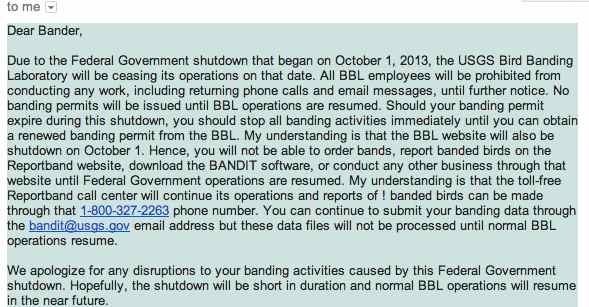
Today, the country has a government outage. The government shutdown is already having widespread effects, and these will only worsen if it continues. I am lucky in my experience of the shutdown compared to most people: I am not losing the food stamps I depend on or the wages I have earned, for example. But the effects are still shocking. This morning I received this email, from the government office that issues banding permits and bands to people like me who band birds to study them:

2013_shutdown_BBL

Continue reading

Spotty, squishy, and sweaty mushrooms of the field

We may go out in the field to study birds, but that doesn’t mean we turn a blind eye to all the other strange and interesting life on the mountain. This year I particularly noticed the mushrooms after I encountered a fantastically cool species called, appropriately, the Alpine Jelly Cone or Poor Man’s Gumdrop.

2013_mushroom_squishy2These guys are small and conical, attached to dead wood just at their tip. They came out in force at one of our sites early in the season among lingering patches of old snow. I like their color and geometric neatness of shape, but the best thing about them is—unfortunately—not conveyable by photograph: they are squishy. Like jello, but not at all sticky, just dry and weirdly, wonderfully squishy.

2013_mushroom_squishy

Continue reading

On the recent sparsity of posts

Hi TLB readers! First, let me apologize for the recent lack of posts, and especially for the lack of the lengthier science-y posts. I’ve been trying my best to keep up, but as I’m in the field about 4 out of every 5 days, it’s hard—and the field work has to come first.

Second, let me assure you that the state of affairs will improve in the (relatively) near future. Hang in there! Once the field work settles down I will have more time for in-depth posts on topics like color and parental care, or brood parasitism strategies.

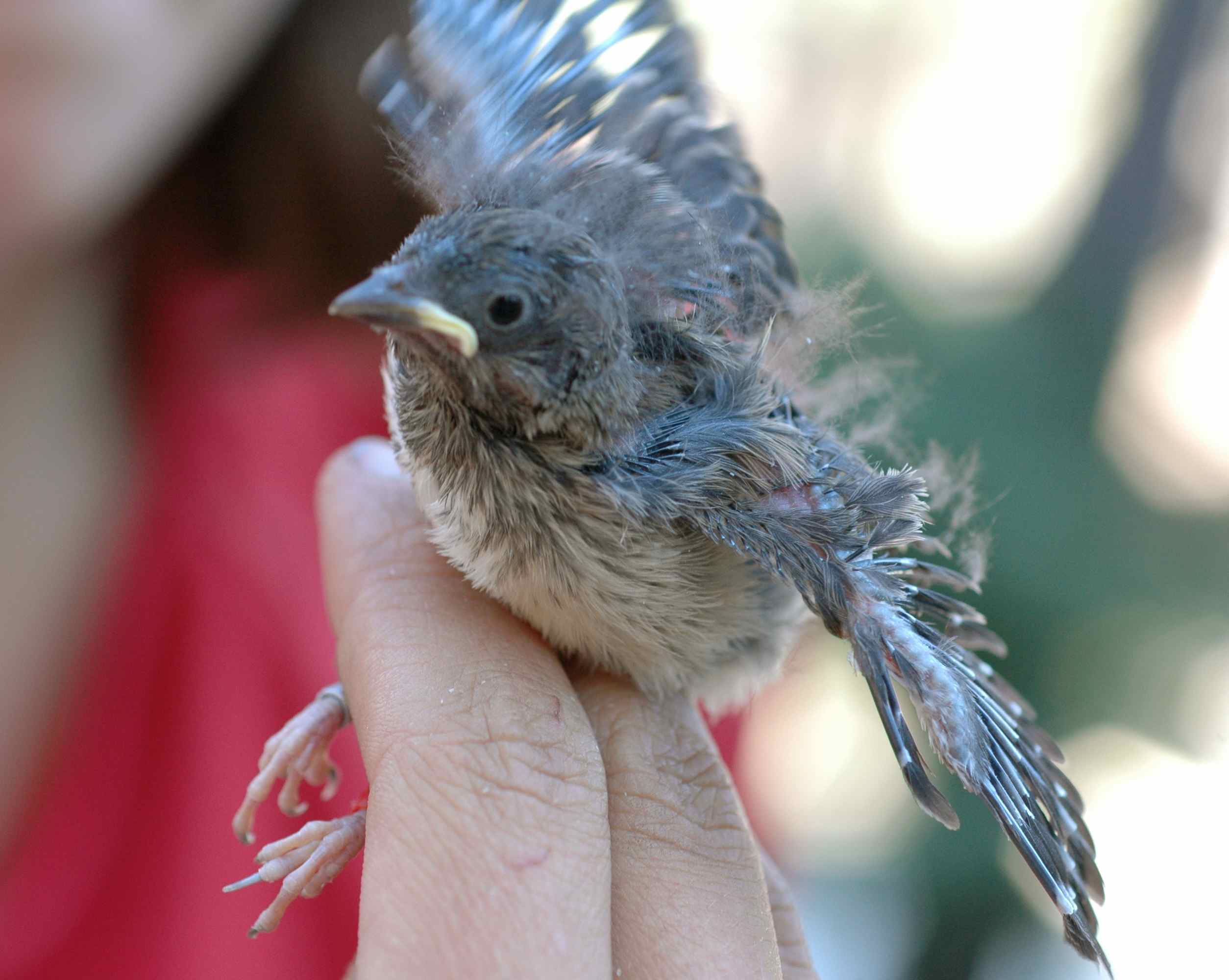
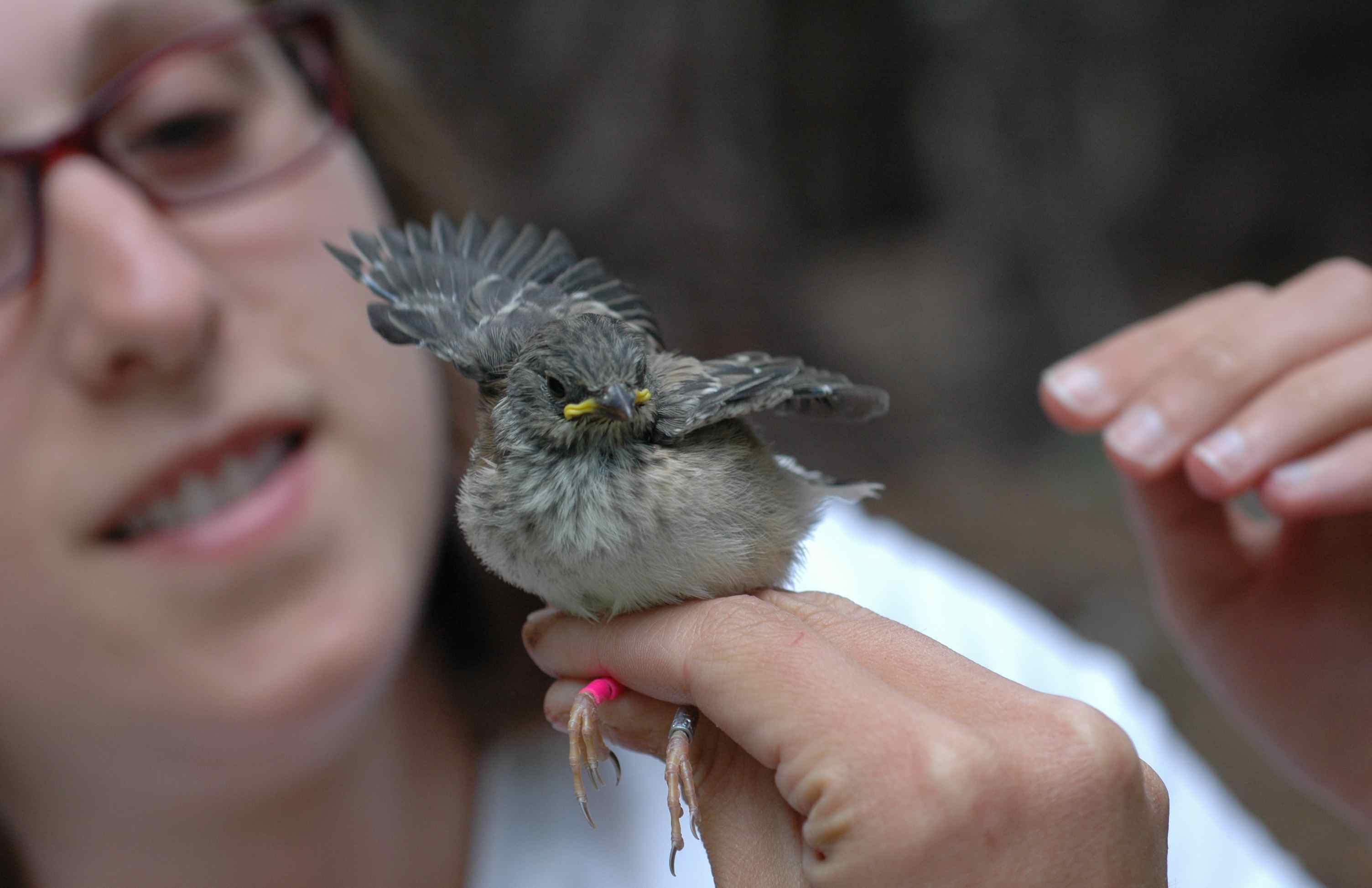
In the mean time, I hope you don’t mind the shorter here’s-some-photos-of-birds style posts. And (because I’d hate to have a post without photos) here are some photos of junco chicks who think they can fly already—despite, you know, not entirely having feathers yet:

SSKA

SSKA

IREA

IREA

OAKK

OAKK

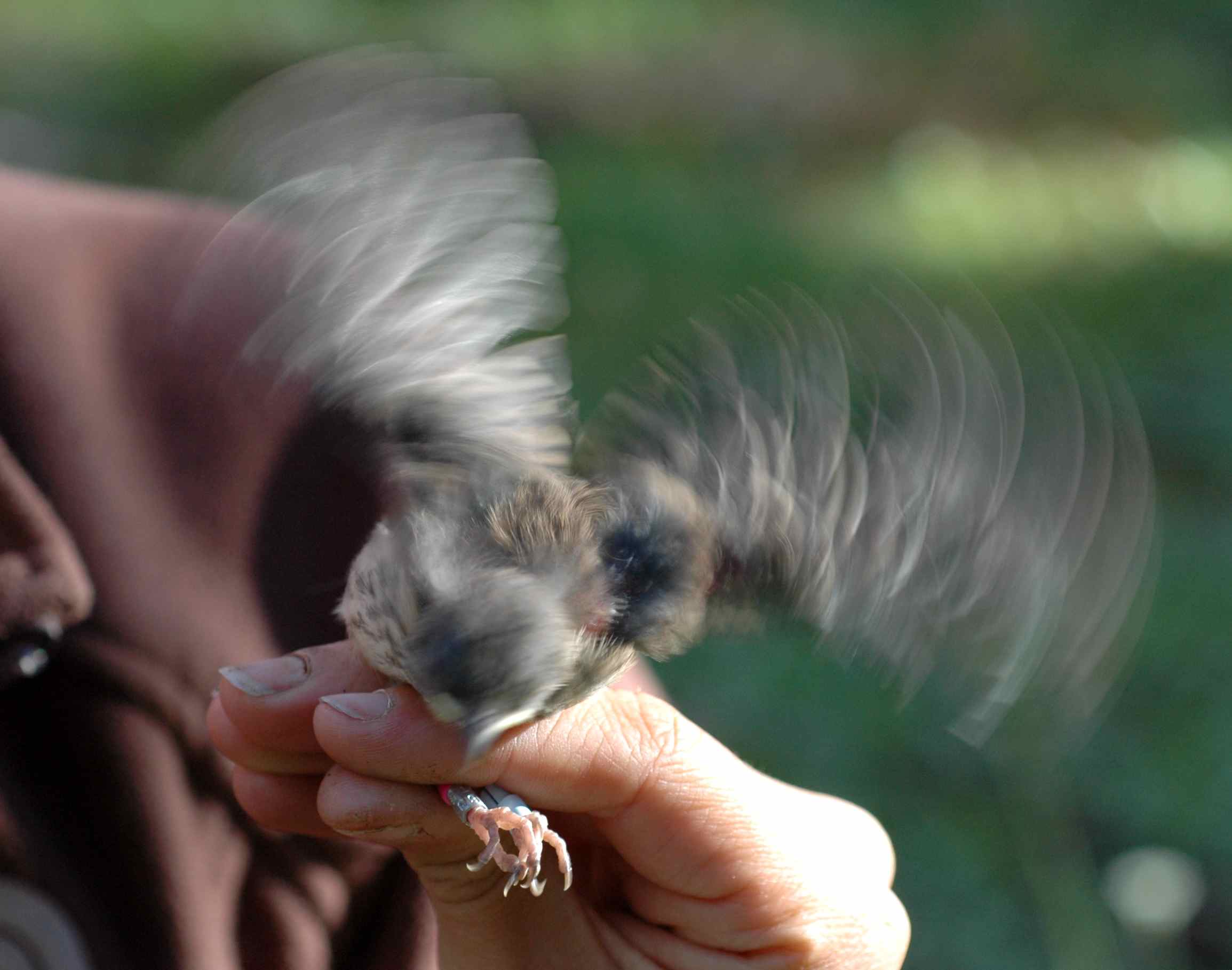
OAKK trying really hard

OAKK trying really hard