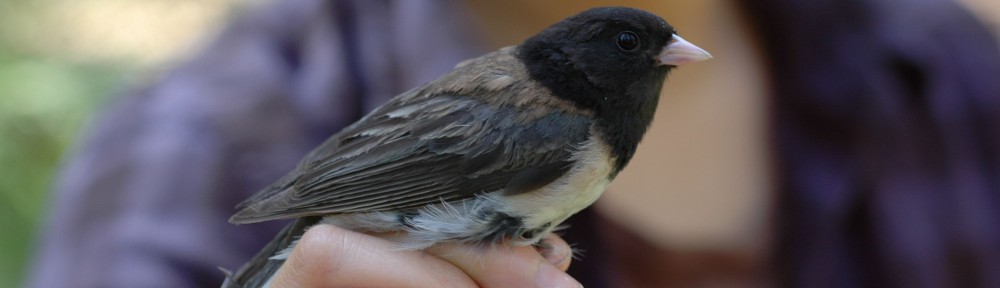
Field season 2013 moments in photos

I’ve started planning the upcoming field season in a serious way now—deciding on dates, interviewing potential field assistants. It’s made me think a lot about last field season, and about how much I haven’t yet found an opportunity to mention in this blog. So this post is just going to be a selection of memorable things that happened last field season, without any real theme but with lots of photos.

The coolest insect I've ever seen in person. It looked like a piece of enameled jewelry.
The most beautiful insect I’ve ever seen in person. It looked like a piece of enameled jewelry.

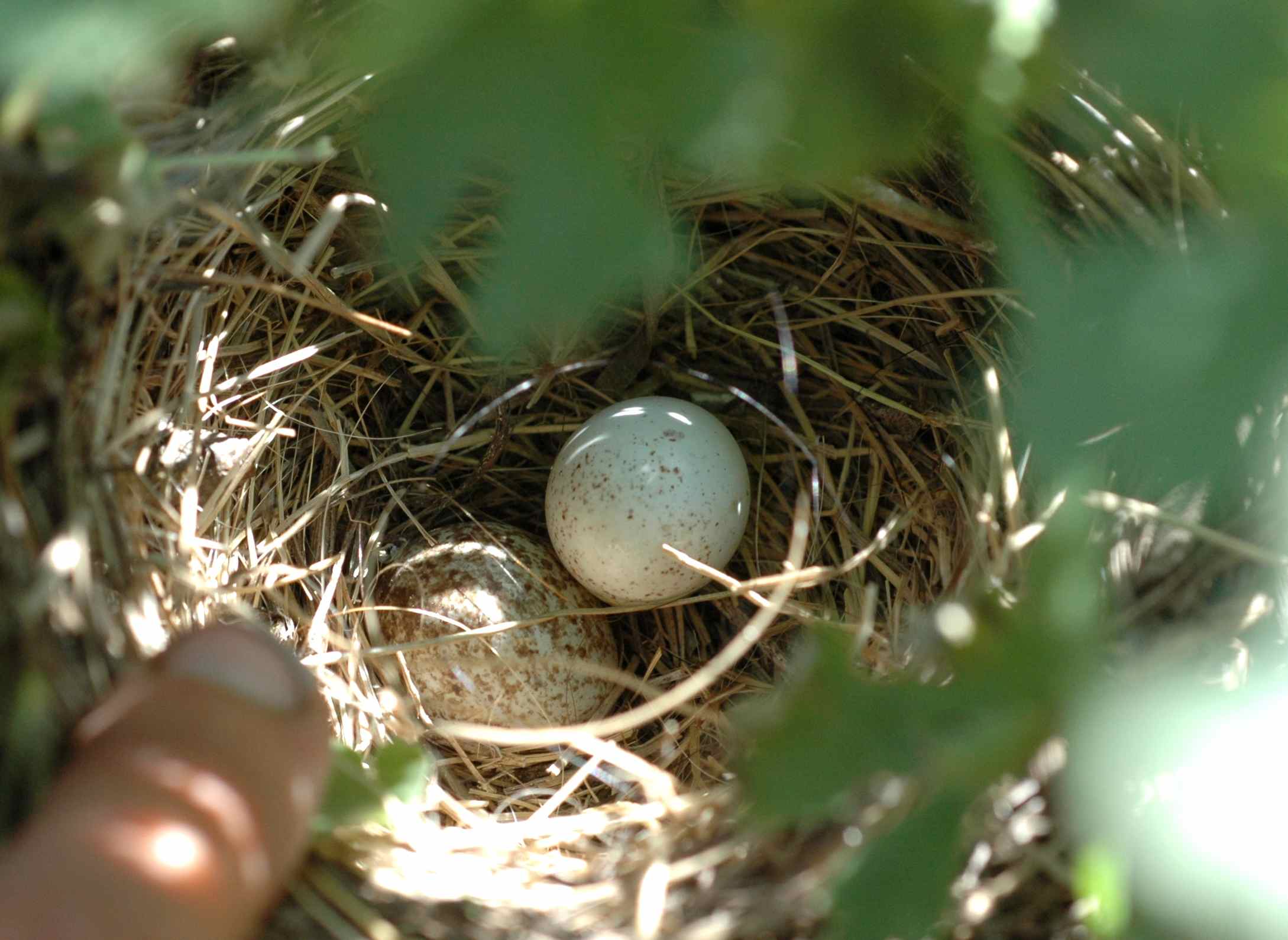
This nest had two chicks in it; when we took them out to band them, we found two unhatched eggs. The lighter one is a junco egg; the dark one is a cowbird egg. These juncos were lucky that the cowbird egg didn't hatch!

This nest had two chicks in it; when we took them out to band them, we found two unhatched eggs. The lighter one is a junco egg; the dark one is a cowbird egg. These juncos were lucky that the cowbird egg didn’t hatch!
Continue reading

Greenish bycatch

I just noticed that I forgot to post the last bycatch of the season. Whoops! Here it is—only about three months late.

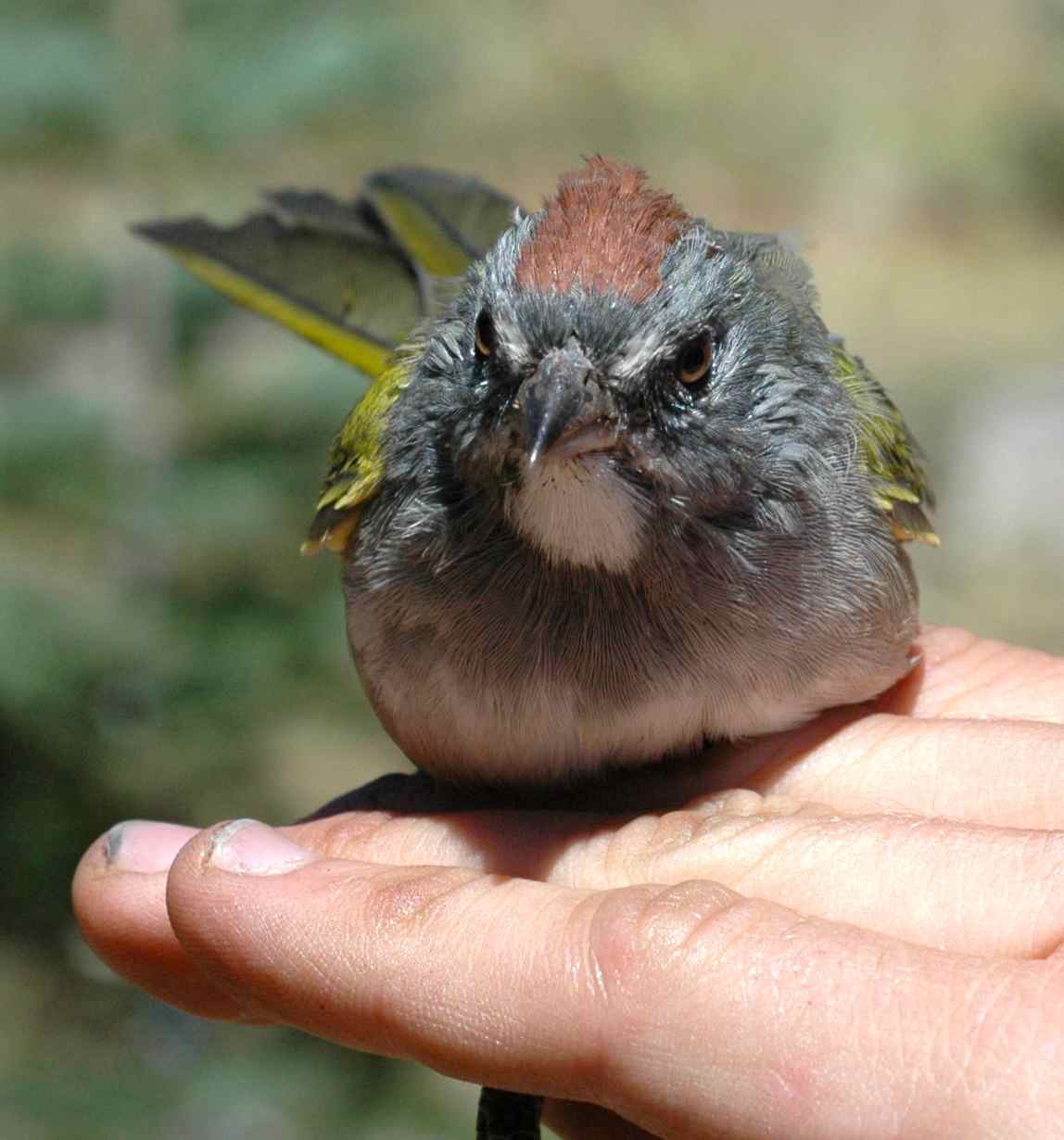
Adult Green-tailed Towhee

2013_bycatch4_adtowhee2When I saw my first Green-tailed Towhee, I had only just moved to California and was not at all familiar with western birds. I remember looking through my binoculars at the bird singing from the top of a tuft of sagebrush, memorizing traits in order to look it up in my bird guide, and thinking “No way am I going to find this. This is going to be one of those birds that I’m seeing in a weird light so that I’ll never be able to ID it, and I’ll tell people, ‘I swear it was green with a red cap!’ and they’ll never believe me.” But then there it was in my Sibley’s: green with a red cap. I love these birds.

2013_bycatch4_adtowhee1

Continue reading

Herps of the field 2013

Considering how much time we spent in the field, and that one of my field assistants was by natural inclination a herpetologist, we found surprisingly few herps (reptiles and amphibians) this summer.

Pacific treefrog (subspecies: Sierran treefrog)

 This guy comes in brown or green. The two morphs look very different from each other:

Brown morph

Brown morph
Photo by M. LaBarbera

"Green" morph (I think he looks more golden)

Green morph

Continue reading

Banding a nest

It’s rare that I have photos of the process of banding a nest, since usually everyone is holding a chick and we don’t have any extra hands for photographic documentation. For a few nests, however, I was lucky enough to have my father with us, and boy does he like to photograph things! Thanks to him I can show you what it looks like when we band a nest.

EDIT: If you click on these (or any photos on this blog) you can see them bigger.

The nest. If you click to expand it and look closely you can see the female sitting on it.

The nest, tucked next to the clump of plants in the center. If you look closely you can see Mom sitting on it.

Me taking the chicks from the nest, with Kyle ready to catch any runners.

Me taking the chicks from the nest, with Kyle ready to catch any runners.
Photo by M. LaBarbera

Often when you approach the nest, the female will flare her tail and run around on the ground to try to draw your attention away from the nest. This is a tail-on view of Mom doing that. Photo by M. LaBarbera

Often when you approach the nest, the female will flare her tail and spread her wings and run around on the ground to try to draw your attention away from the nest. This is a tail-on view of Mom doing that.
Photo by M. LaBarbera

Mom, angrily chipping at us. Photo by M. LaBarbera

Mom, angrily chipping at us.
Photo by M. LaBarbera

Continue reading

Precedented bycatch

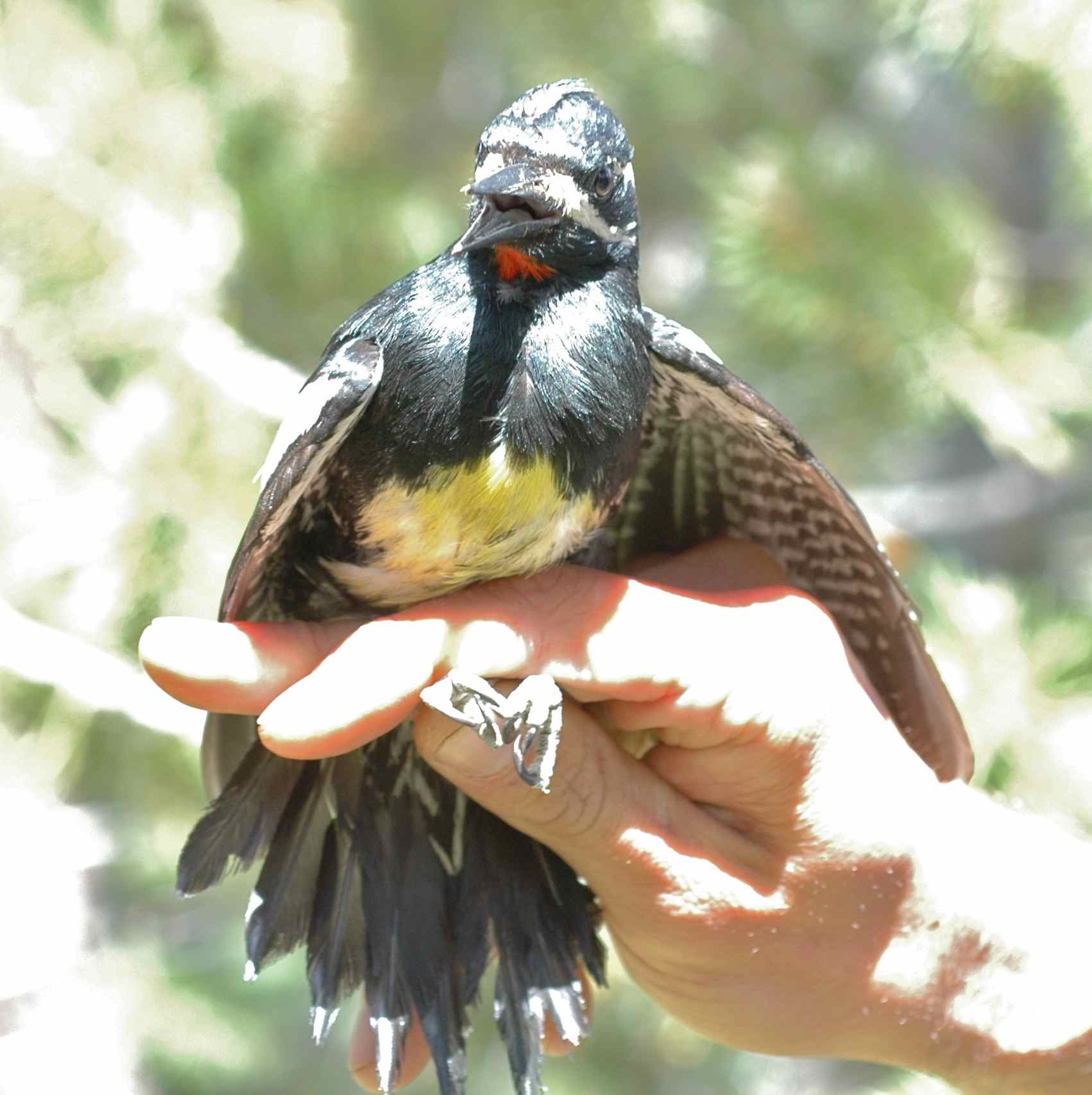
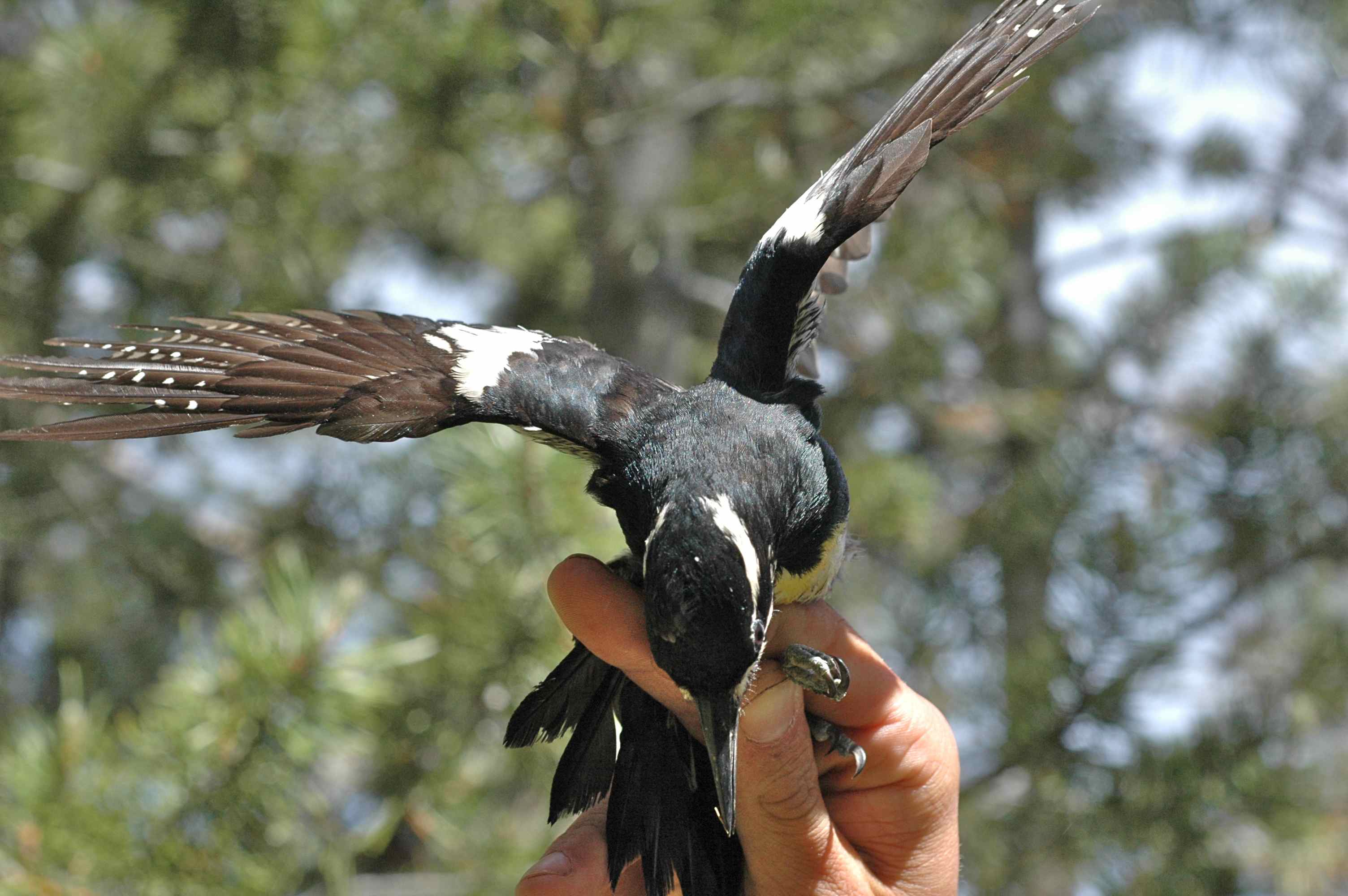
After I made such a fuss about catching a sapsucker and a hummingbird early in the season, of course, we caught another sapsucker and another hummingbird. These guys are no longer quite so unprecedented—although they were novel species for me—but they are still awesome.

Male Williamson’s Sapsucker

Continue reading

The fleeting beauty of the fall molt

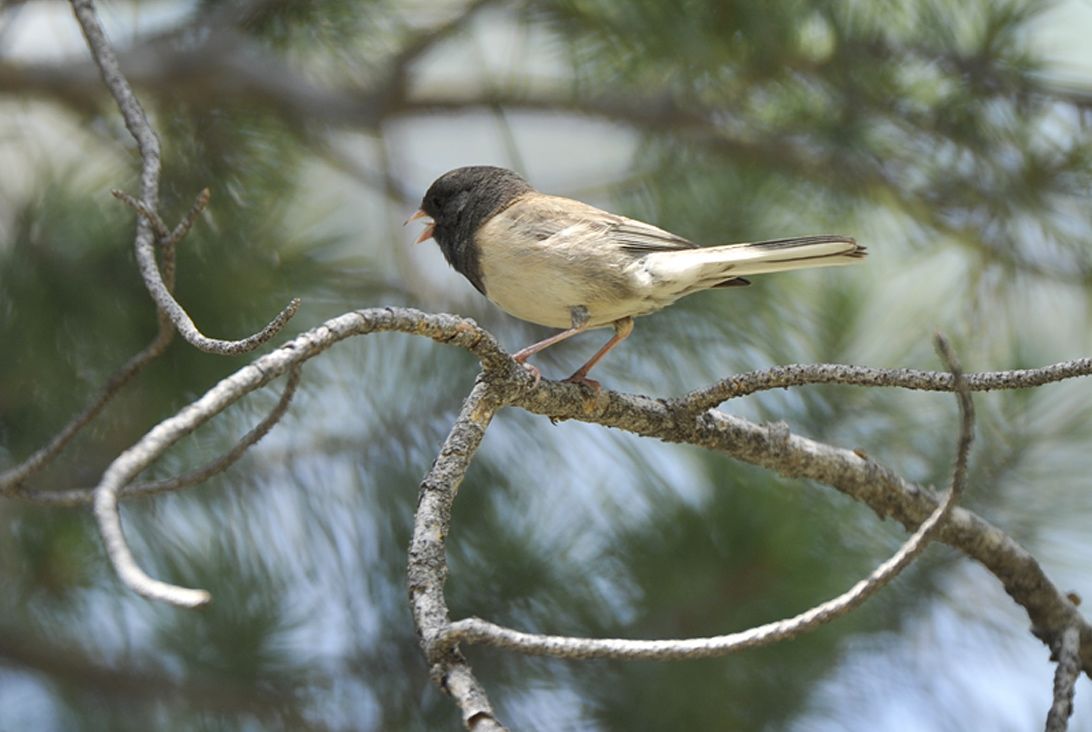
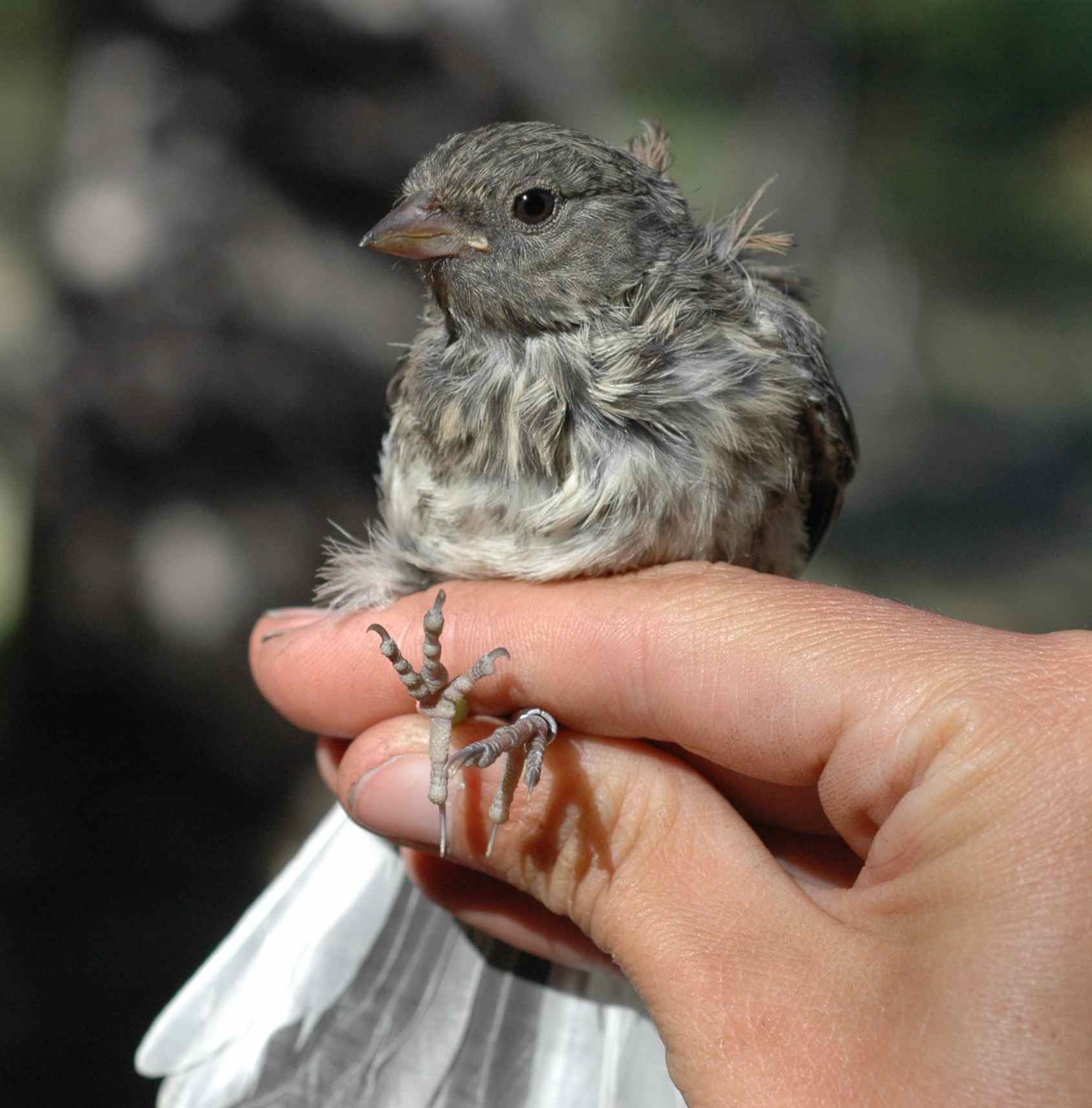
As fledglings undergo their fall molt (the Prebasic I molt), their appearance changes from obvious-youngster to apparent-adult. In the middle of that transition, they look a little… wild. It’s a strange and fleeting look, here-today-and-gone-in-two-weeks. We’ve caught enough molting fledglings that I’ve been able to put together a series of photos showing the transition.

Fledgling juncos start out a streaky light brown, with dark bills and yellow gapes.

Young fledgling GRAS

Young fledgling GRAS

As they get older, the yellow gape shrinks.

Older fledgling KALI. Note the remnant of yellow gape at the edge of the bill.

Older fledgling KALI. Note the remnant of yellow gape at the edge of the bill.

Continue reading

The nest that came back from the dead

This summer we have lost nests to logging, cows, and natural junco predators. None of those shocked me. A pinecone as death-dealer, however, was a surprise.

2013_NCB1When I took this picture, I thought that this nest was dead. The chick you see was completely motionless and stone cold. The pinecone—which was not supposed to be in the nest—had (we think) prevented the female from warming her chicks up, and without their mother’s warmth these very young, naked chicks quickly got too cold.

But when I took the pinecone out to count chick bodies, one of the bodies moved. My field assistant and I took the chicks—there were three, all as cold as the morning mountaintop air—in our warm hands. I still thought they were probably dead: recently dead things may twitch when disturbed.

But as the tiny bodies began to feel less chilly, they squirmed more and more.

2013_NCB2 Continue reading

Encounters with baby mammals: sometimes they run, sometimes you run

On our last trip, we had two very different encounters with baby mammals. The first happened when we were searching for nests in some rather strange habitat: the area had been previously logged, then—like all of my sites, rather unfortunately—used for cattle pasture. The cattle presence here had been so intense that the area not only was covered in cow pies, but smelled distinctly like cow. (Ah, nature!) The corn lilies there, usually lush tall green plants, were ragged and brown.2013_mammals_landscapeAnd the whole place was hopping with tiny tree frogs.

2013_mammals_frog

Continue reading