Photos: birds who know what they’re doing

The last week has felt very hectic, not just for me but for my whole lab. It seems we’re all prepping for a field season/writing a paper/learning how to solder under a microscope. (Okay, that last one might not apply to all of us.) Not only do I have too much to do, but I can’t seem to decide when I should be doing what. Is it most crucial to be writing the paper revisions that are due soon, or packing dinners for the field? Or wait, isn’t starting the camera batteries charging the first most-important thing? But if I don’t take the car to the mechanic before doing everything else, we won’t even be able to get to the field…

So, to balance out my crazy disorganized brain, here are some birds who are doing exactly what they need to be doing and not second-guessing themselves at all.
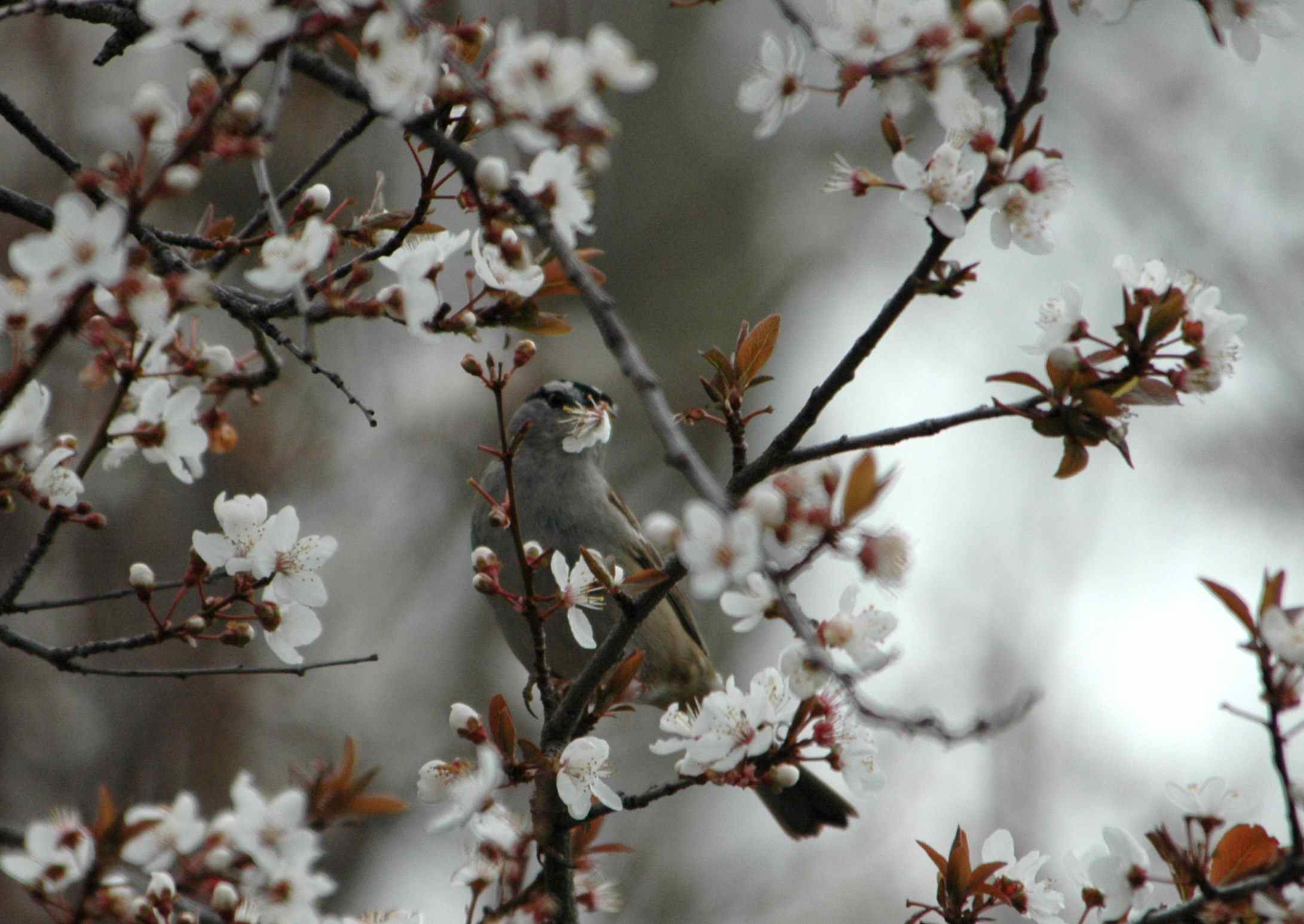
White-crowned Sparrow: eating a flower.

White-crowned Sparrow: eating a flower.

Black Phoebe: watching for bugs.
Black Phoebe: watching for bugs.

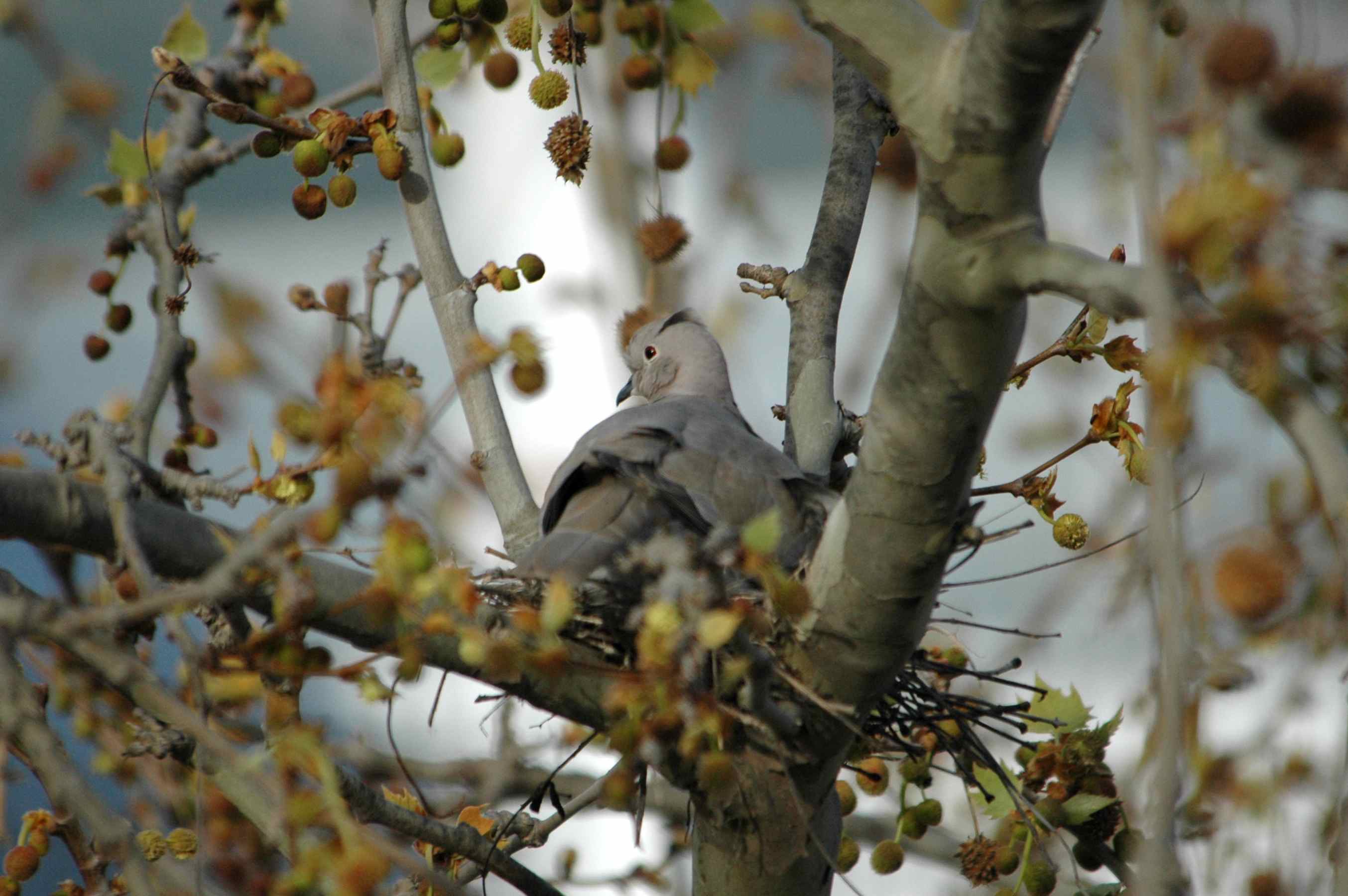
Eurasian Collared Dove: sitting on her nest.

Eurasian Collared Dove: sitting on her nest.
Continue reading

Field season 2013 moments in photos

I’ve started planning the upcoming field season in a serious way now—deciding on dates, interviewing potential field assistants. It’s made me think a lot about last field season, and about how much I haven’t yet found an opportunity to mention in this blog. So this post is just going to be a selection of memorable things that happened last field season, without any real theme but with lots of photos.

The coolest insect I've ever seen in person. It looked like a piece of enameled jewelry.

The most beautiful insect I’ve ever seen in person. It looked like a piece of enameled jewelry.

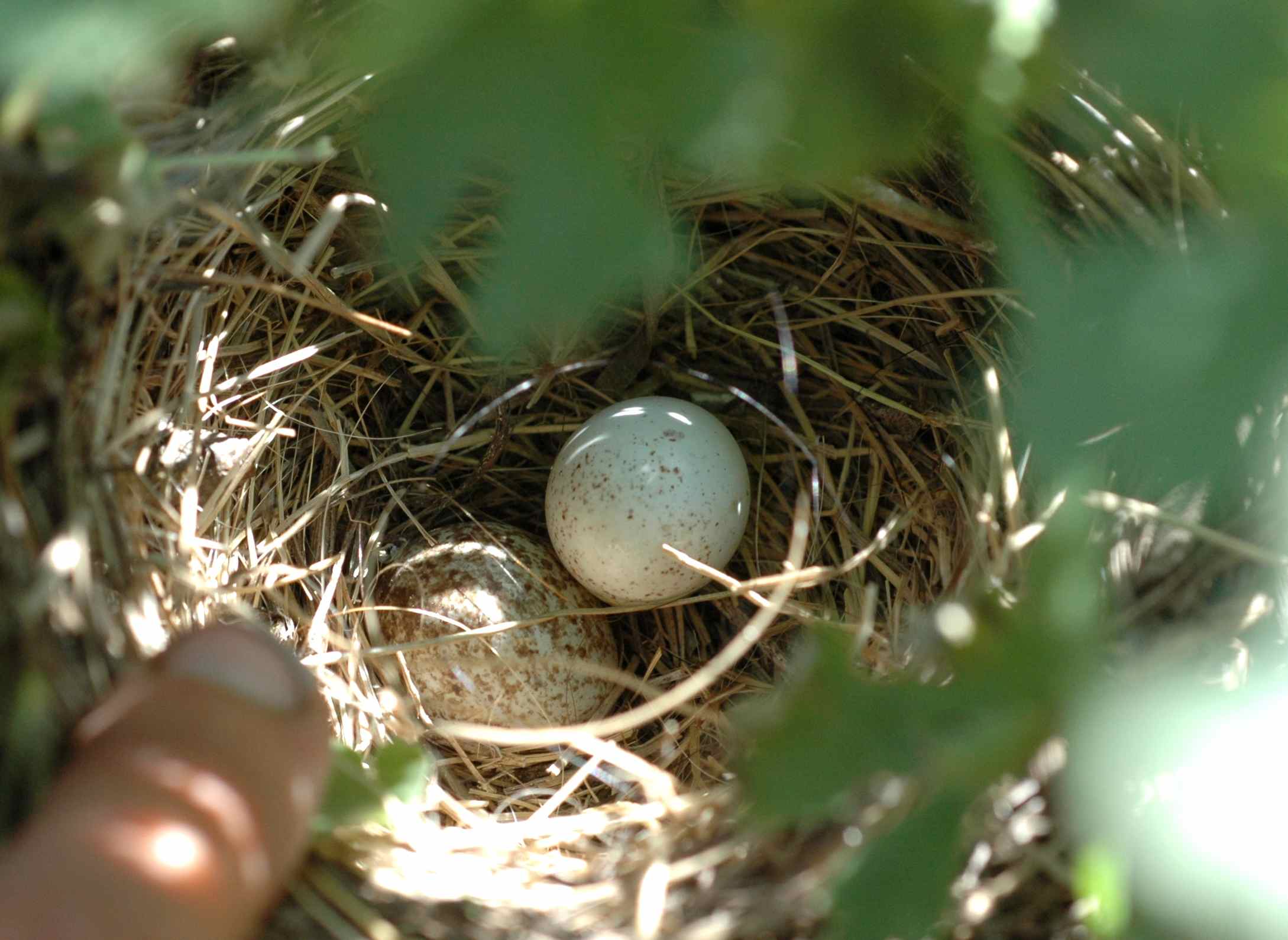
This nest had two chicks in it; when we took them out to band them, we found two unhatched eggs. The lighter one is a junco egg; the dark one is a cowbird egg. These juncos were lucky that the cowbird egg didn't hatch!

This nest had two chicks in it; when we took them out to band them, we found two unhatched eggs. The lighter one is a junco egg; the dark one is a cowbird egg. These juncos were lucky that the cowbird egg didn’t hatch!

Continue reading

Greenish bycatch

I just noticed that I forgot to post the last bycatch of the season. Whoops! Here it is—only about three months late.

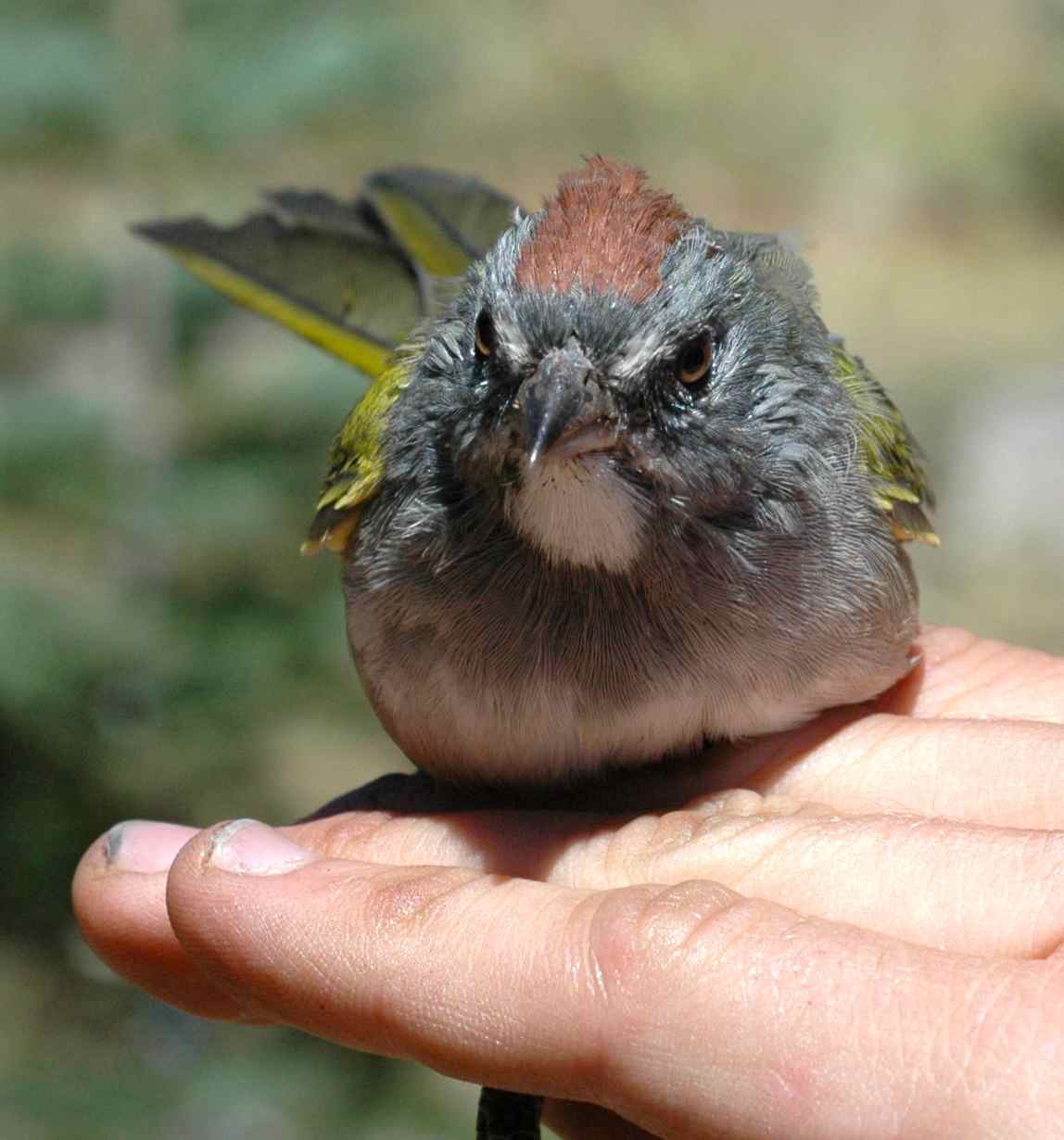
Adult Green-tailed Towhee

2013_bycatch4_adtowhee2When I saw my first Green-tailed Towhee, I had only just moved to California and was not at all familiar with western birds. I remember looking through my binoculars at the bird singing from the top of a tuft of sagebrush, memorizing traits in order to look it up in my bird guide, and thinking “No way am I going to find this. This is going to be one of those birds that I’m seeing in a weird light so that I’ll never be able to ID it, and I’ll tell people, ‘I swear it was green with a red cap!’ and they’ll never believe me.” But then there it was in my Sibley’s: green with a red cap. I love these birds.

2013_bycatch4_adtowhee1

Continue reading

Herps of the field 2013

Considering how much time we spent in the field, and that one of my field assistants was by natural inclination a herpetologist, we found surprisingly few herps (reptiles and amphibians) this summer.

Pacific treefrog (subspecies: Sierran treefrog)

 This guy comes in brown or green. The two morphs look very different from each other:

Brown morph

Brown morph
Photo by M. LaBarbera

"Green" morph (I think he looks more golden)

Green morph

Continue reading

Spotty, squishy, and sweaty mushrooms of the field

We may go out in the field to study birds, but that doesn’t mean we turn a blind eye to all the other strange and interesting life on the mountain. This year I particularly noticed the mushrooms after I encountered a fantastically cool species called, appropriately, the Alpine Jelly Cone or Poor Man’s Gumdrop.

2013_mushroom_squishy2These guys are small and conical, attached to dead wood just at their tip. They came out in force at one of our sites early in the season among lingering patches of old snow. I like their color and geometric neatness of shape, but the best thing about them is—unfortunately—not conveyable by photograph: they are squishy. Like jello, but not at all sticky, just dry and weirdly, wonderfully squishy.

2013_mushroom_squishy

Continue reading

Say “aah”

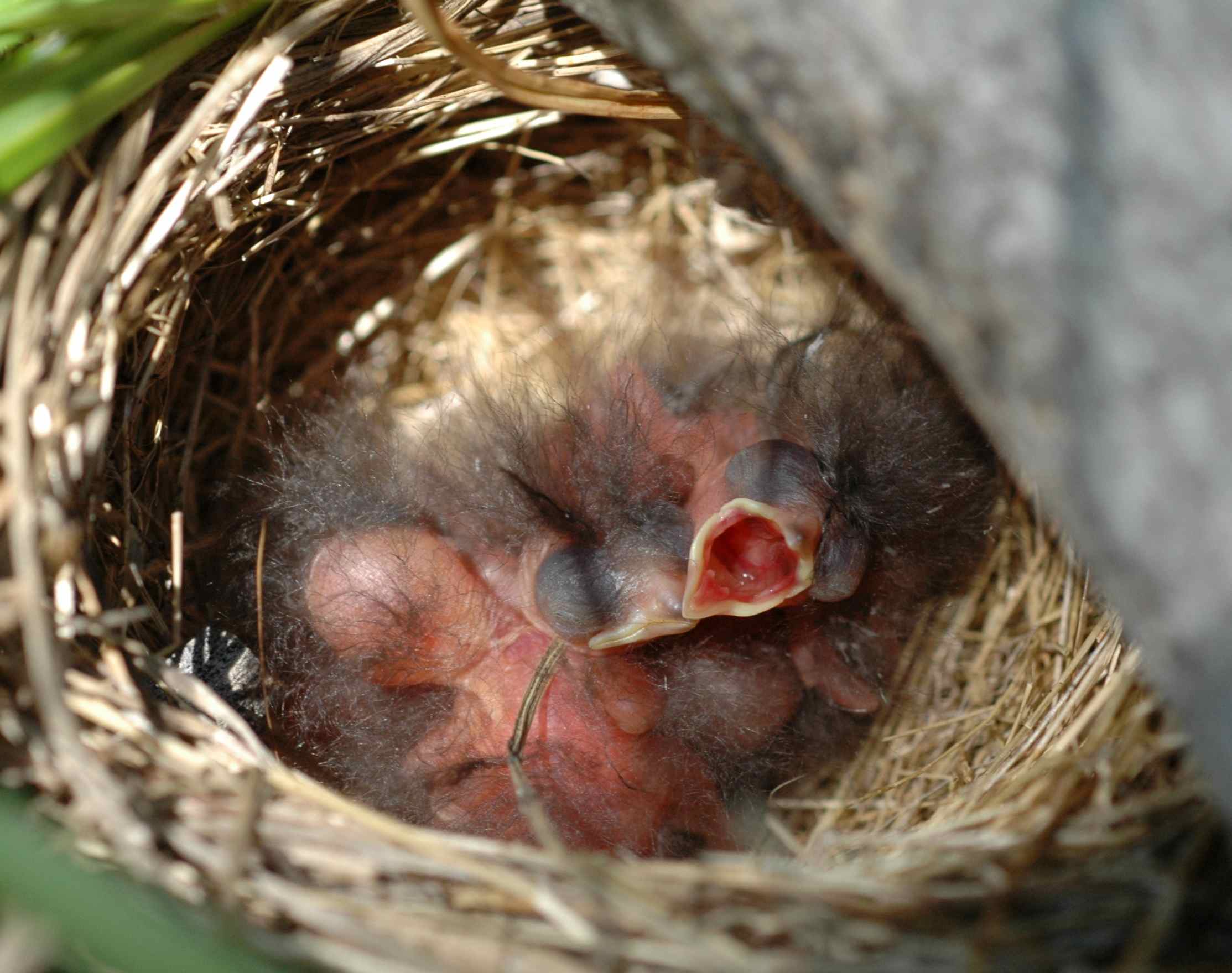
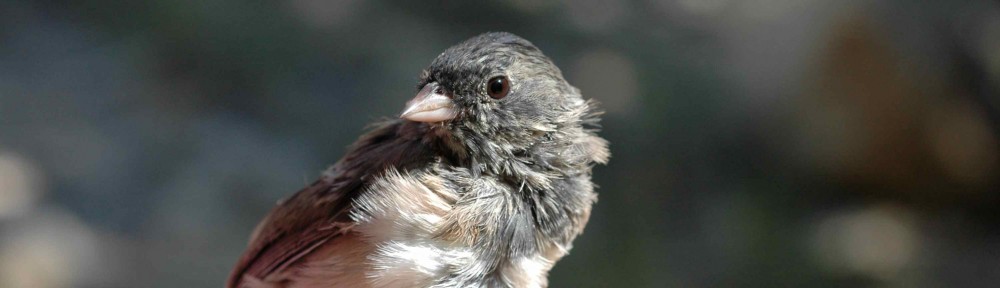
There are a few easy ways for baby juncos to distinguish me from their parents. For example, their parents have feathers and dark heads and are about their size, while I am a gigantic fabric-draped Godzilla monster. However, hungry chicks seem to not always be alert to such nuance, so I’ve accumulated quite a few photographs of the view down the gullets of baby juncos.

SEAL and NORA's chicks

SEAL and NORA’s chicks

In the above photo you can see how the bright pink/red of the mouth, surrounded by the yellow bill outline, makes an obvious target for a parent with food.

Mostly, though, I just like how these photos make the chicks look even more like crazy pink alien beings than usual.

INGA's chicks

INGA’s chicks

Continue reading

Damaged feet, but still hopping

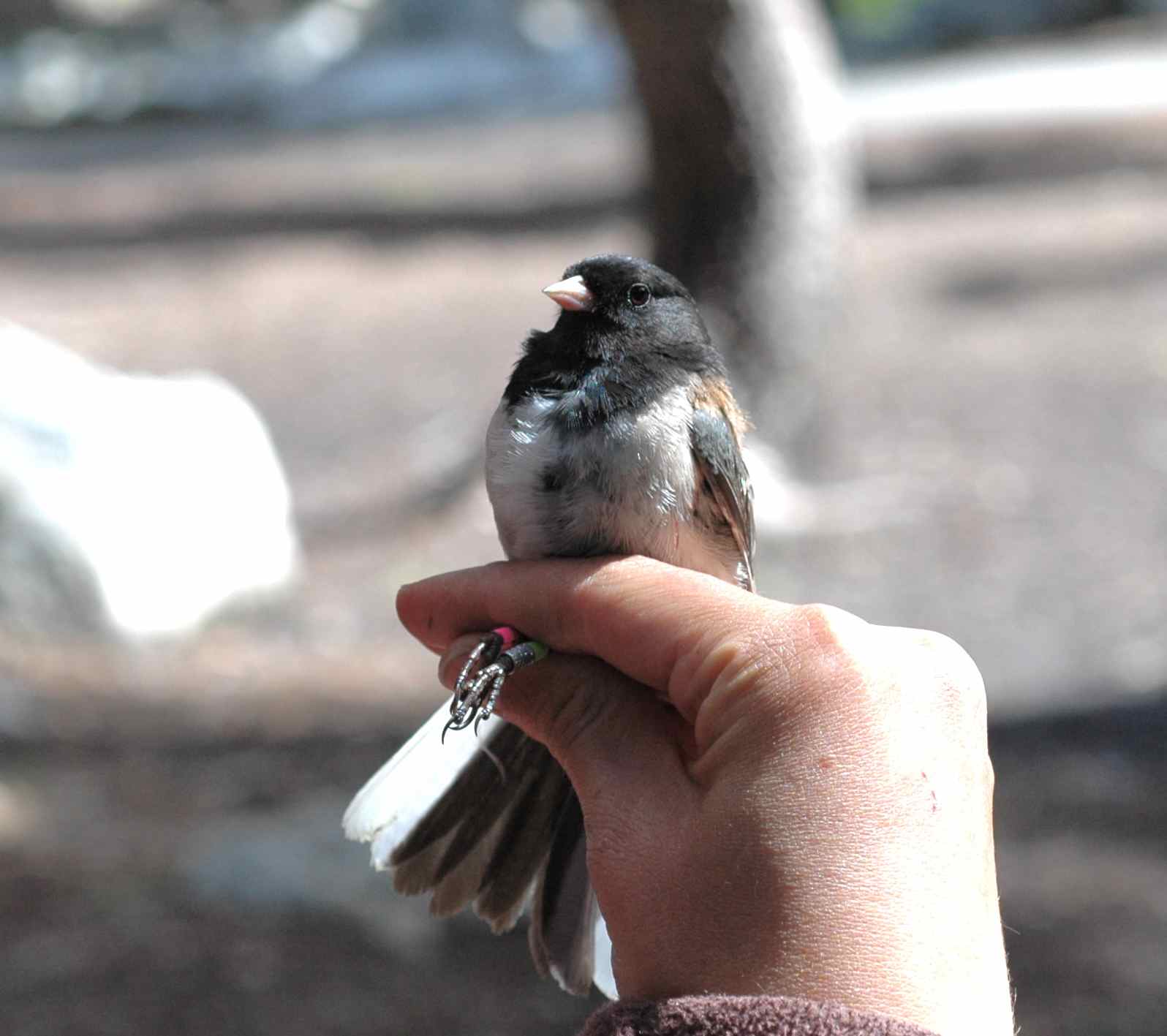
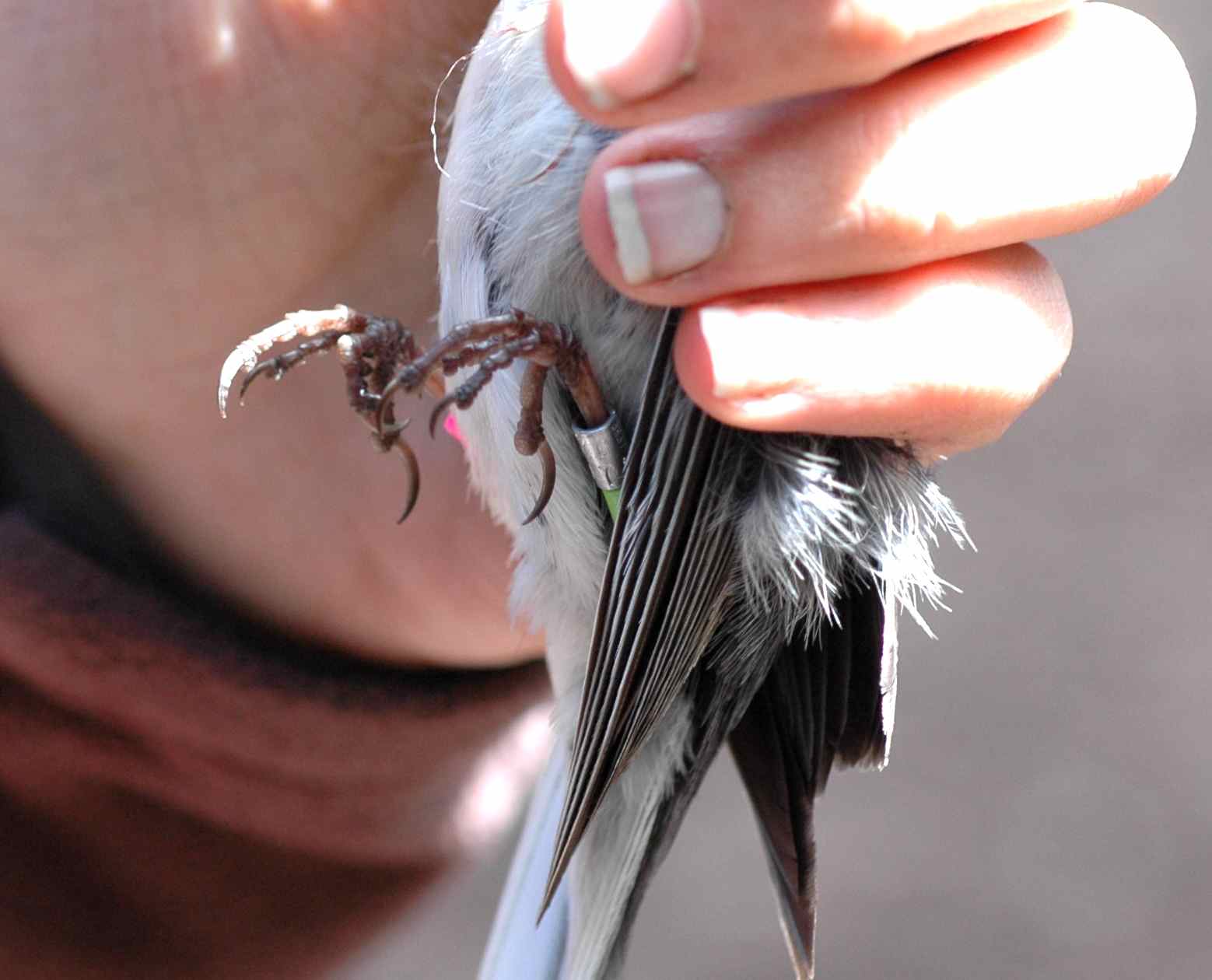
Juncos use their feet more than many birds, not just to perch but to hop about while feeding. Their legs and feet, viewed close, are a contradiction: incredibly slender and fragile-seeming, but also covered in a hard, scaly, tough surface. You hope for their sake that the fragility is the illusion and the toughness reality, but of course each is a little true.

LANK has a permanently bent toe on his right foot. When he perches, his weight rests on what should be the top of the toe, and I imagine the same is true when he stands on the ground.

LANK

LANK

The bent toe is the left-most top toe on his right foot

The bent toe is the left-most top toe on his right foot.

2013-feet_LANK

View from the other side, for comparison with his healthy left foot.

Continue reading

Sounds and video from Cornell’s Macauley Library

The Cornell Lab of Ornithology’s Macauley Library of sounds and videos has been fully digitized and posted online for browsing for free by everyone. It is really fun to explore.

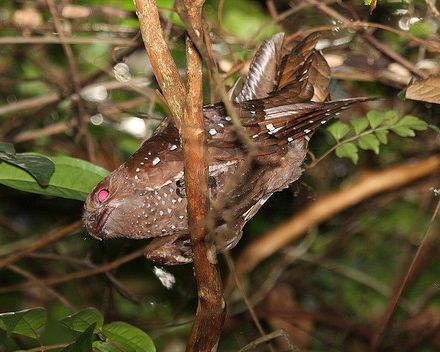
Ever wanted to know what an Oilbird sounds like? It sounds like this!

Oilbird. Photo by Dominic Sherony

Oilbird. Photo by Dominic Sherony

Check out a colorful mantis shrimp swiveling its crazy eyes, then listen to it making sounds eerily like those of a drum set!

Go eye-level with Adelie Penguins, get close enough to a sea turtle to count the scales under its chin, then listen to a baby walrus ruff like a puppy!

Here is an article from the Lab of O – scroll to the end for links to: the earliest recording (a Song Sparrow from 1929); the sounds of an ostrich chick still in the egg; the haunting clarinet-like moan of the idri, a lemur; a bird of paradise apparently imitating a very melodious UFO; and a cute video of an American Dipper living up to its name by bobbing and dipping.

And then explore the library yourself! Hooray for open-access science.