More animal higgledy piggledy

The higgledy piggledy poems return… (The first higgledy piggledy post is here.) Once again I have not quite followed all the rules.

————————————–

Parental care

Tentacled vermiform

mother caecilian

what simple kindness your

offspring must lack:

Un-altruistically

cannibalistically

eating their mama’s own

skin for a snack!
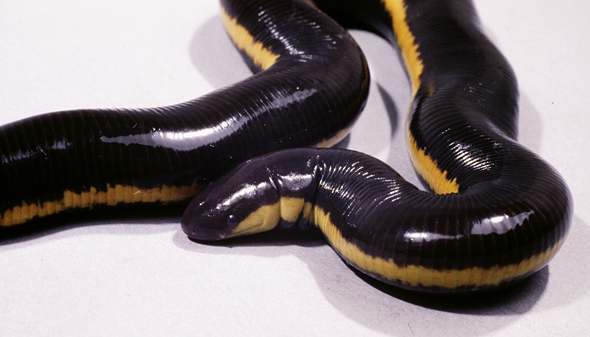
Yellow-striped caecilian. Photo by Kerry Matz*

Yellow-striped caecilian. Photo by Kerry Matz*

Caecilians are a kind of amphibian. Some caecilians feed their babies by growing a special layer of skin that the babies then eat. (Hey, is it really any weirder than what we mammals do to feed our babies?) All caecilians have little tentacles on their faces. See, goofy poetry is so educational!
Continue reading

Stop walking on the ground!

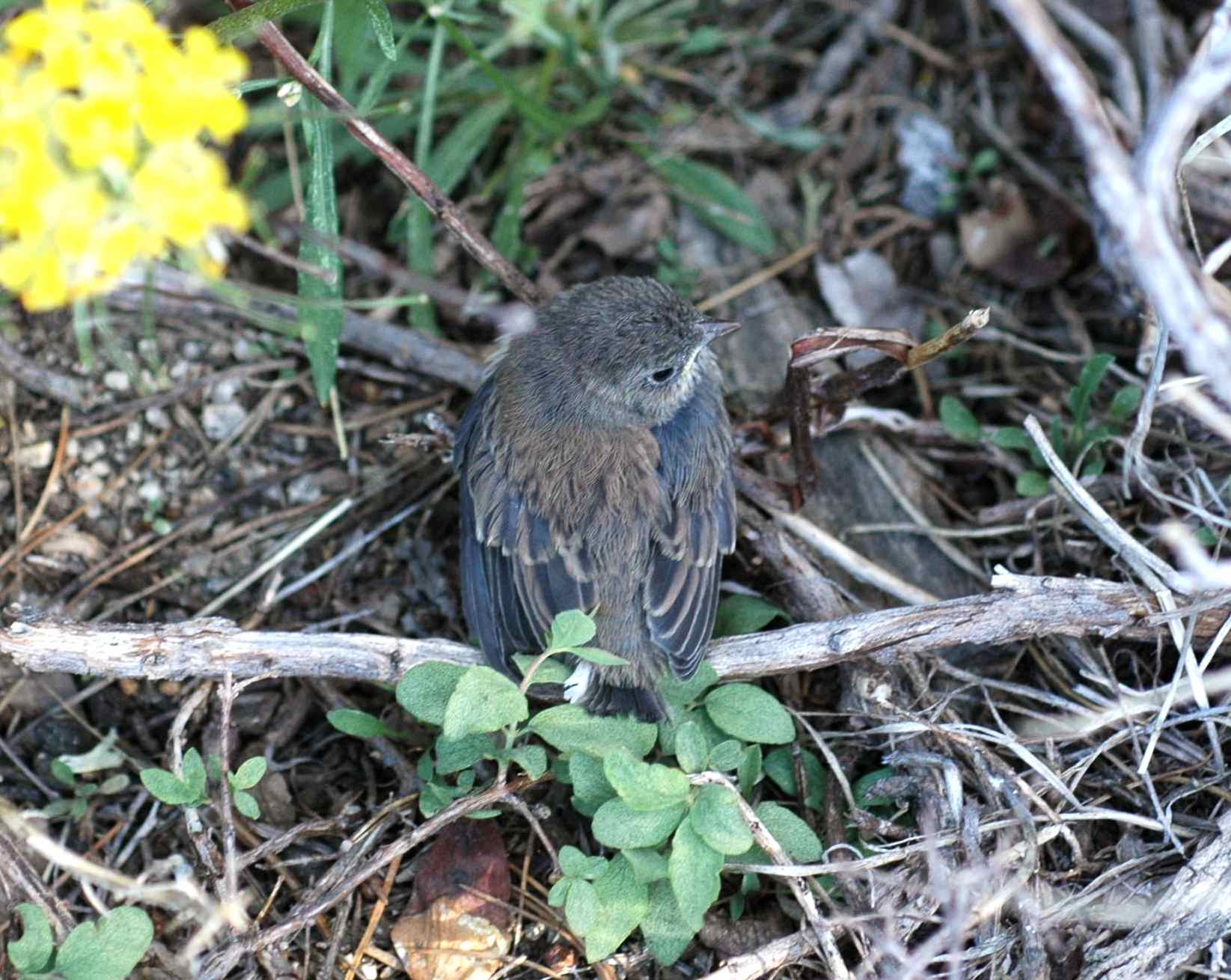
I’ve heard it said that the point of a PhD is to make you the absolute world expert on one particular slice of the universe. Too many incredibly smart people work on juncos for me to hope to become the world expert on them, but my several years of thinking about juncos more-or-less constantly has left me tuned to a slightly different wavelength than the rest of the world: call it Radio Junco.

Hear it?

Hear it?

Sometimes this makes me seem like a cross between a psychic and someone who has come unhinged: my brain picks out and focuses on all junco noises, so that I will stop, cock my head, and then declare “There’s a mated pair here,” or “Fledgling in that bush!” into what clearly seems like silence to my new field assistants.

Continue reading

A nest of Red-tailed Hawks grows up

Half-built nest in February

Half-built nest in February

In February, a pair of Red-tailed Hawks began to build a nest in the window of a tenth-floor conference room in Yonkers, NY. Over the next four months, Jerry and Beverly—who work in that office—watched and documented the red-tails as they raised their chicks. Many thanks to Jerry and Beverly for agreeing to share their photos and videos, and thanks to James for passing them on to me!

One of the adults at the nest

One of the adults at the nest. Red-tails like their nests to have a commanding view of the surroundings; you can see that this fits the bill nicely.

Continue reading

The sky is falling: birds and hail

The season of the summer disaster movie is upon us: Godzilla is stomping San Francisco, and I’m sure we’re all eagerly anticipating the premiere of Sharknado 2. To liven up the cinemas a bit, as a relief from the overabundance of sequels (I mean really, Sharknado 2!), I would like to propose a new genre mash-up: the animated talking birds disaster movie. It would be like those dancing penguin movies, or the solemn-looking owl movie (I have seen none of these…), plus disasters. The first one could be called Hailstorm!

It would not be a children’s movie. It would be terrifying.

It hailed on us a few days ago for about half an hour. The hail was mostly small, not larger than 1 cm in diameter, and the only animal reaction I saw was a decidedly alarmed chickaree—although to be fair, chickarees almost always look alarmed. I saw no evidence of damage afterwards; all of the junco nests we were monitoring weathered the storm just fine.

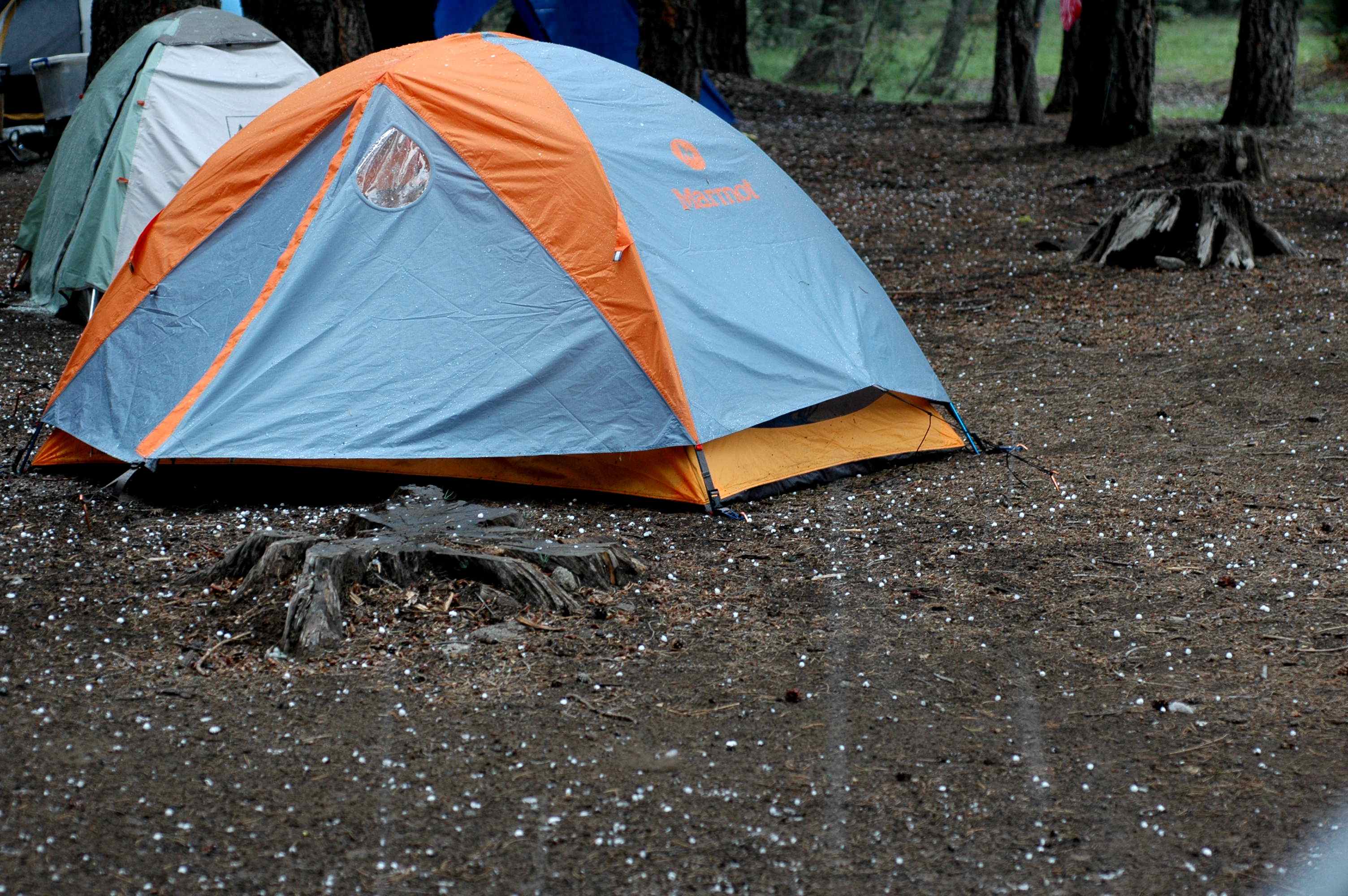
We hid in our tents.

You know the hail isn’t too bad when you can safely hide from it in a tent.

But sometimes hail is a sharper-fanged beast.

Continue reading

Some field photos, or, this seems familiar

This is my third field season. For all that I’ve been tweaking my techniques every year, it’s all starting to seem… familiar.

There's that crazy tree again.

There’s that crazy tree… again.

The juncos don’t seem to be used to it yet, though.

ES-A does not find this at all familiar.

ES-A does not find this at all familiar.

It’s all new to my new field assistants, too, not to mention all the new young lives starting at our field sites.

Continue reading

This is what evening in the field sounds like

One of the biggest changes for me in being in the field, aside from the living-in-a-tent-and-smacking-mosquitos aspects, is becoming intensely aware, all the time, of sound. I’m listening for singing juncos, to know where the territories are; for quietly cheeping juncos, who are usually foraging, to read their band combinations; for angry chipping juncos, whose nests are nearby; for juncos giving what I think of as the ba-boo boo boo call, affectionately greeting their mates. We live in the midst of the juncos, so I’m always listening. And so I hear all the other birds too.

In early evening, with the sun bright but the air beginning to chill, we hear the daytime birds still: the juncos’ songs, loud and strong but, dare I say, less than nuanced (click on the linked text, then click the forward-arrow play button, to hear the sound).

The strange, carrying complaints of the Red-breasted Nuthatches.

Red-breasted Nuthatch: such a small bird for that big noise.

Red-breasted Nuthatch: such a small bird for that big noise.

Continue reading

Ducklings with superpowers

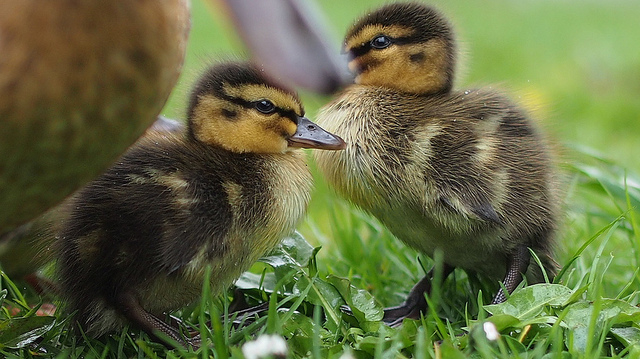
Everyone knows ducklings: yellow fuzz, big flat bills, big flat feet, cute little waddles all in a line after Momma, and superpowers.

Photo by Farrukh*

Photo by Farrukh*

What, didn’t you know that last part?

Death-defying leaps!

Several duck species nest high above the ground in tree cavities. This is safer than nesting on the ground, predator-wise, but it also means that the ducklings hatch very, very high up. And then they have to get down.

When they hatch, the ducklings weight very little, which helps: the less you weigh, the less you are hurt by falling. Terminal velocity—the fastest that gravity will make you fall—depends on weight, so small creatures are essentially safe from falling no matter how far they fall. The cushiony leaf litter on the ground helps the ducklings too. And notice how they flatten out, spreading their little legs out behind and their wing stubs out front, their bodies as spread out as possible: they are gliding—albeit not as well as a true glider like a flying squirrel, but nevertheless slowing their descent so that they can land safely.

Continue reading

Photos: birds who know what they’re doing

The last week has felt very hectic, not just for me but for my whole lab. It seems we’re all prepping for a field season/writing a paper/learning how to solder under a microscope. (Okay, that last one might not apply to all of us.) Not only do I have too much to do, but I can’t seem to decide when I should be doing what. Is it most crucial to be writing the paper revisions that are due soon, or packing dinners for the field? Or wait, isn’t starting the camera batteries charging the first most-important thing? But if I don’t take the car to the mechanic before doing everything else, we won’t even be able to get to the field…

So, to balance out my crazy disorganized brain, here are some birds who are doing exactly what they need to be doing and not second-guessing themselves at all.

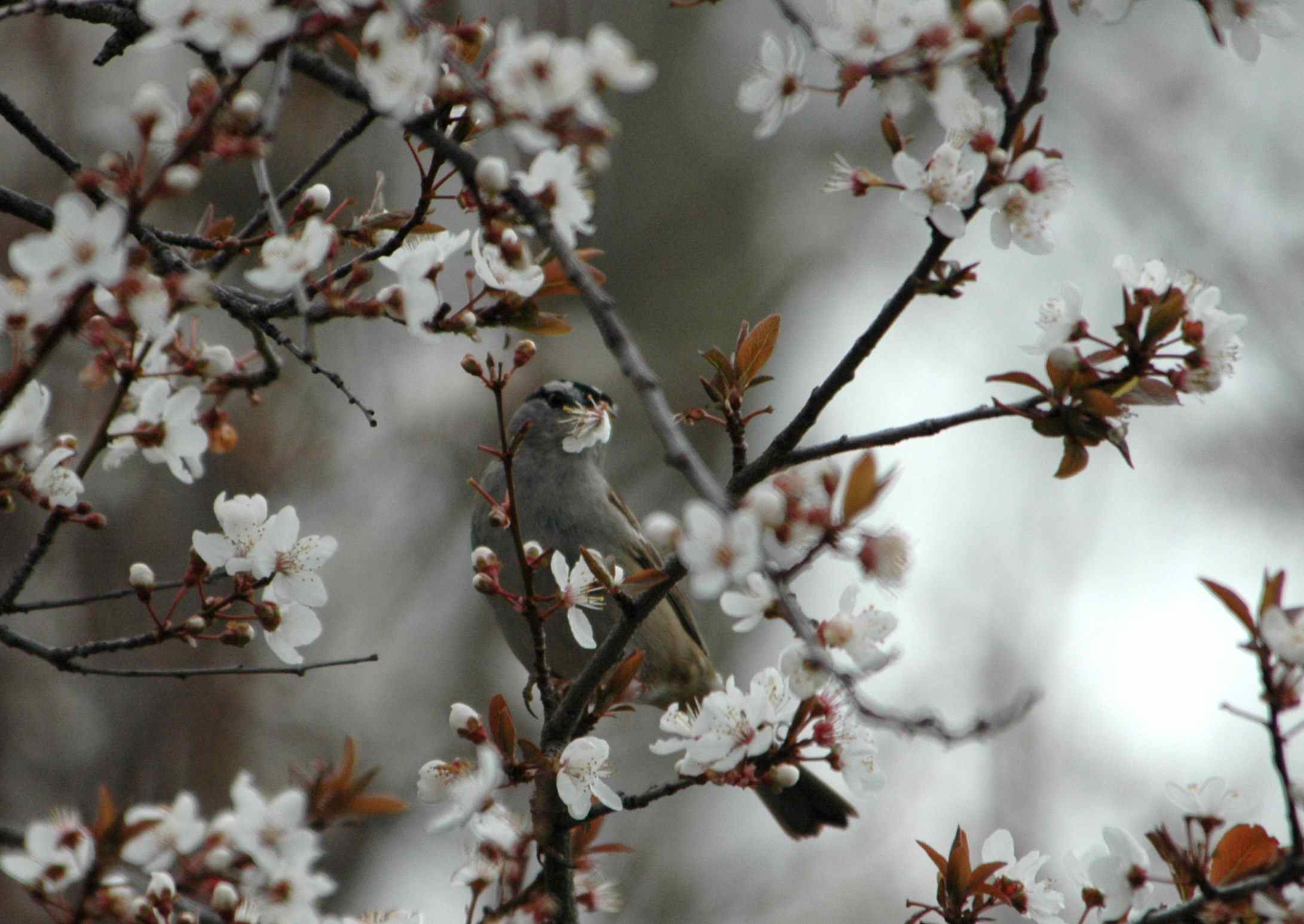
White-crowned Sparrow: eating a flower.

White-crowned Sparrow: eating a flower.

Black Phoebe: watching for bugs.

Black Phoebe: watching for bugs.

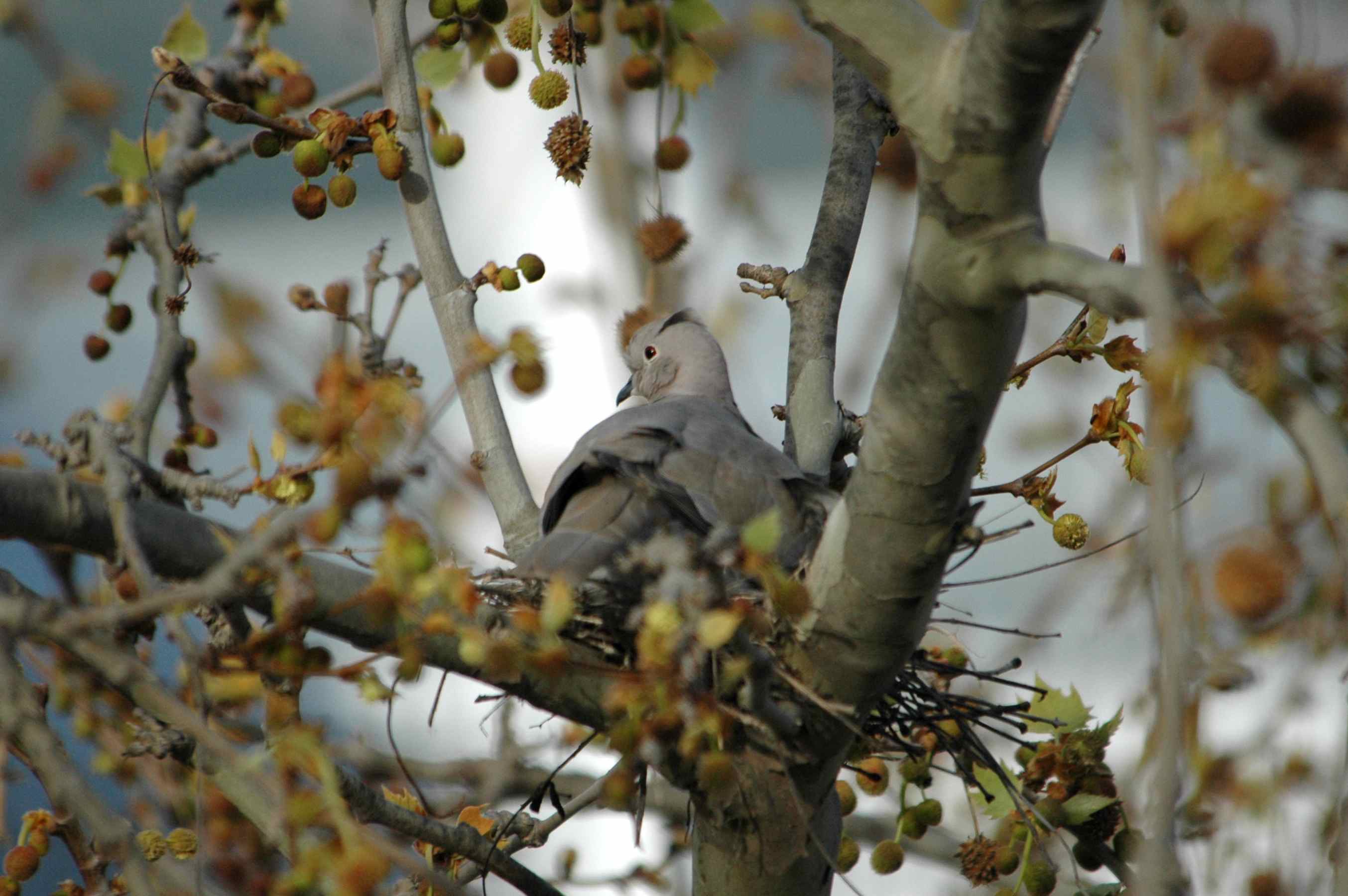
Eurasian Collared Dove: sitting on her nest.

Eurasian Collared Dove: sitting on her nest.

Continue reading

I might have started the field season a little too early

Last year, I started the field season as soon as the university spring semester ended, because my field assistants were undergraduates and needed to take their finals before heading off into the mountains. That turned out to be too late, as we found that some of the juncos had started breeding without us. So this year I found some awesome non-undergraduate volunteers and went out earlier.

But I might have started a little too early.

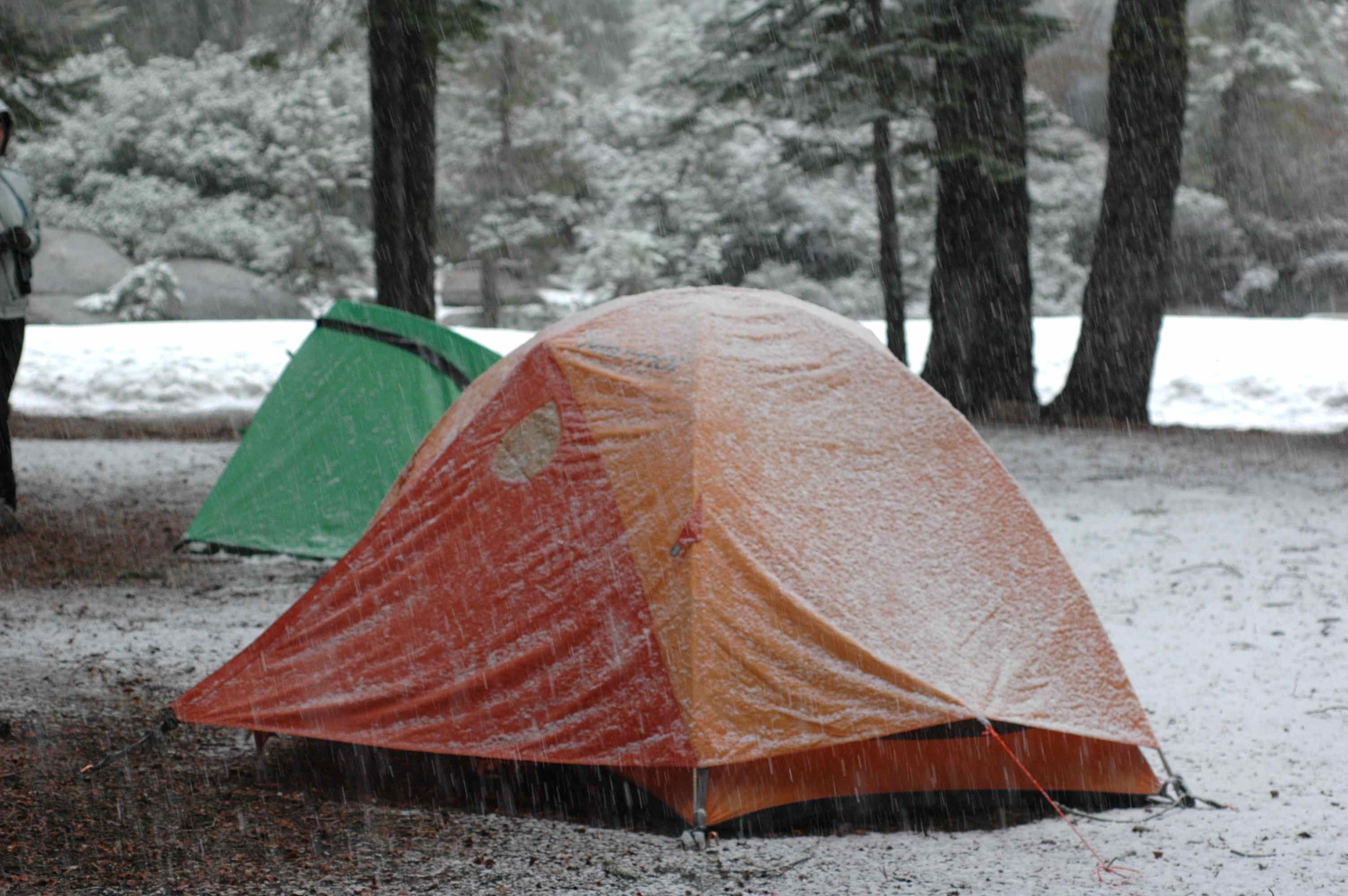
My tent, our first morning in the field.

My tent, our first morning in the field.

We’d known it was going to rain, and I thought it had – a particularly light-sounding rain pattering on my tent throughout the night. When I woke up I thought my tent had been covered in seeds washed loose by the rain. Then I stuck my head outside.

In fact it was better than rain: drier, and still permitting us to boil water for breakfast.

Our stoves boiling water for breakfast.

Our stoves boiling water for breakfast.

Continue reading

Getting ready…

Suddenly it seems like everything is happening at once. The project for which I spent months measuring museum specimens has abruptly transformed (with the help of some key collaborators) into analyzable data, with statistical models and graphs and potential paper titles. The start of the field season, so far away for so long, is next week. And I’m giving a guest lecture to a large class today, which, although I’ve done it before, has been the occasion for some minor panic on my part.

After all this I will relax with some Sanderling bowling.

After all this is over, I will relax with some Sanderling bowling.

Continue reading