Vampire birds

The vampire strikes again! Photo by Ian White*

The vampire strikes again!
Photo by Ian White*

In honor of Halloween, let’s talk about vampire birds.

I am using “vampire” loosely here, the same way people do when they talk about “vampire” bats. These vampire birds are hematophagic (blood-eating!), but do not follow other items of vampire lore: they have reflections in mirrors, can enter your house without an invitation, do not shape-shift, are mortal, and do not sparkle in the sunlight.

Sharp-beaked Ground Finch, Geospiza difficilus

This is one of the famous Darwin’s Finches of the Galápagos Islands. This species is a vampire only on two of the islands, Wolf and Darwin; everywhere else it eats bugs and seeds like a regular finch. Even on Wolf and Darwin, it mostly eats bugs and seeds, but sometimes it craves something a little… richer…

Dum-dum-DUMMMM. (Sharp-beaked Ground Finch. Photo by budgora*)
Dum-dum-DUMMMM.
(Sharp-beaked Ground Finch. Photo by budgora*)
Continue reading

What do birds do when it rains?

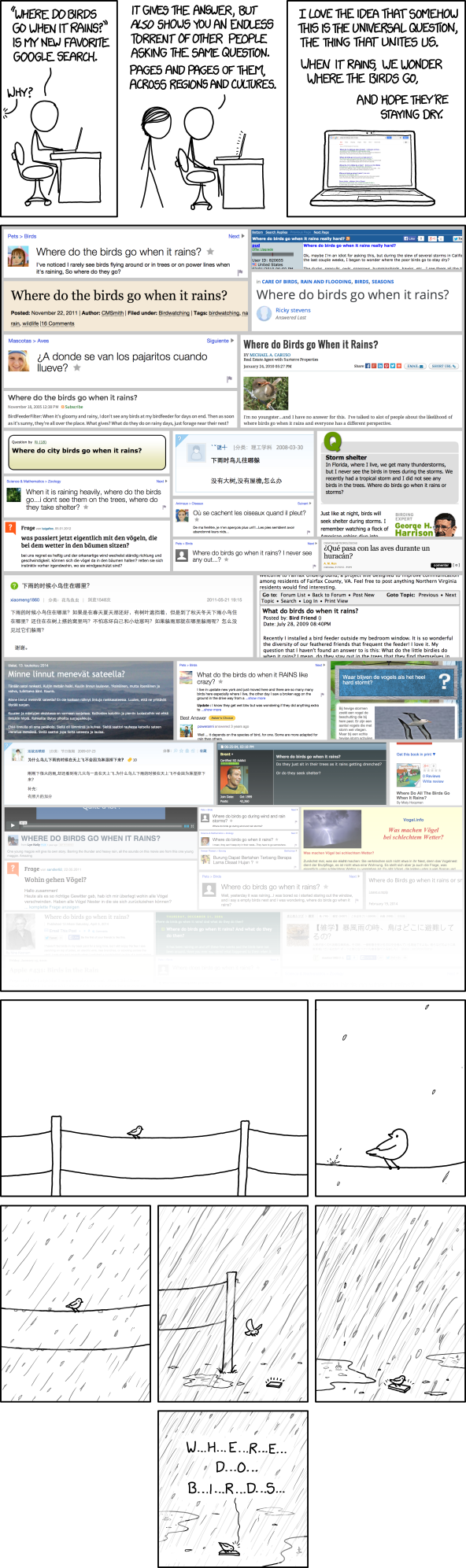
I’ve been meaning to write about this topic for a while—now xkcd has beaten me to it:

Oh, well. Since the comic doesn’t actually answer the question, I’m hoping you’re all still interested! (Also, at the end there will be a bonus discussion of ant rain. Yes, ant rain. You won’t find that on xkcd!)

Continue reading

Featured paper: cheating Common Yellowthroats, or, the world is more complex than you think

There is a thing that happens a lot in biology, especially in animal behavior: one set of researchers finds an interesting relationship, like, say, “Birds prefer to eat bugs off of cows with lots of spots, and don’t like to eat bugs off of cows with no spots.” (This is a made-up example.)

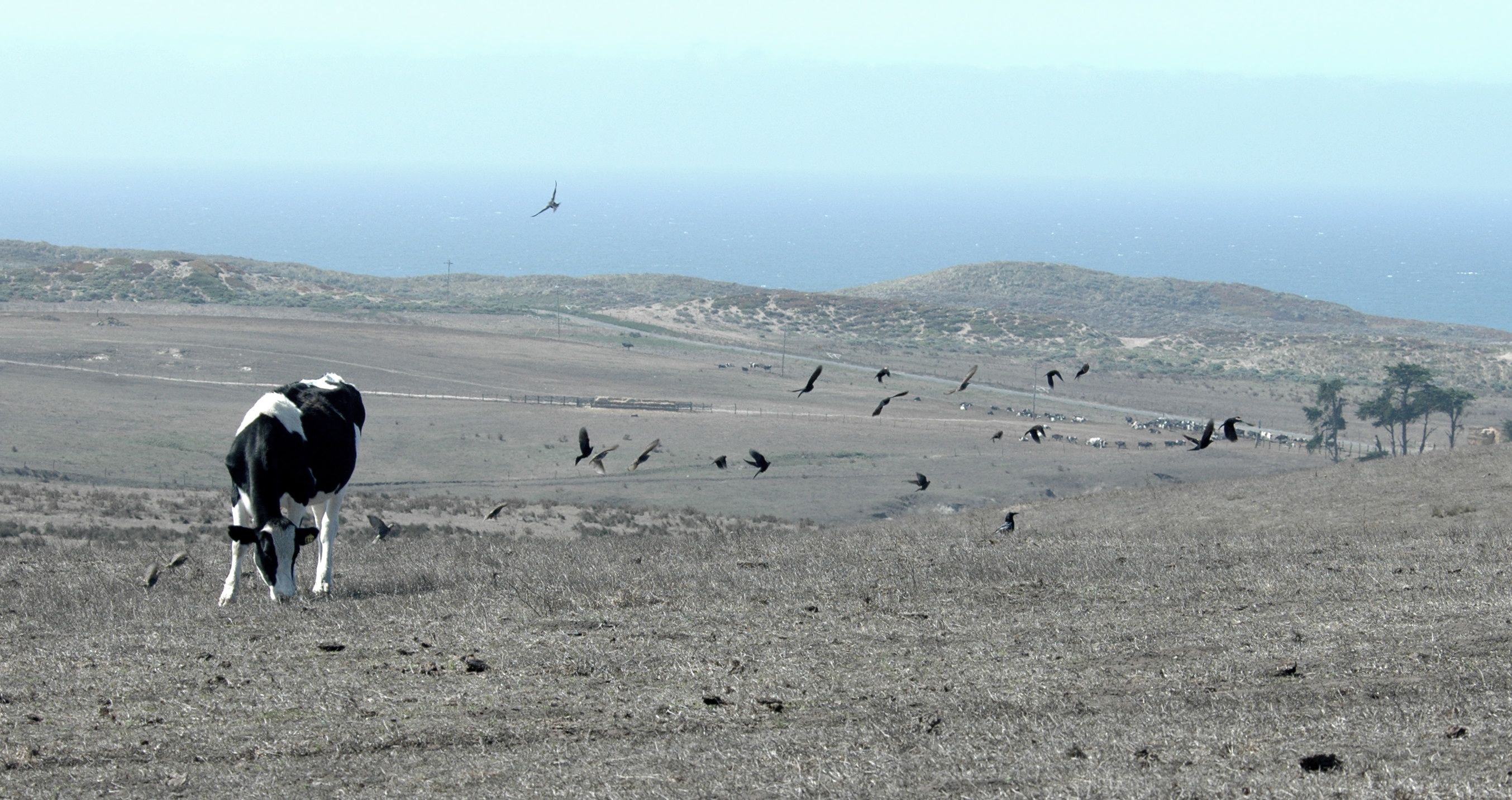
Starlings flying near a cow; Pt Reyes, CA.

Blackbirds flying near a cow, Pt Reyes, CA.

Then, some other researchers do a study and say, “Hey, our birds prefer to eat bugs off of cows with no spots! That’s the opposite!”

Then still different researchers do another study and say, “Our birds don’t care at all about the number of spots, they just care whether the spots make a shape like a smiley face. You guys must all have made a mistake. The Smiley Face Rule is the new Lek Paradox! #nobelplease”

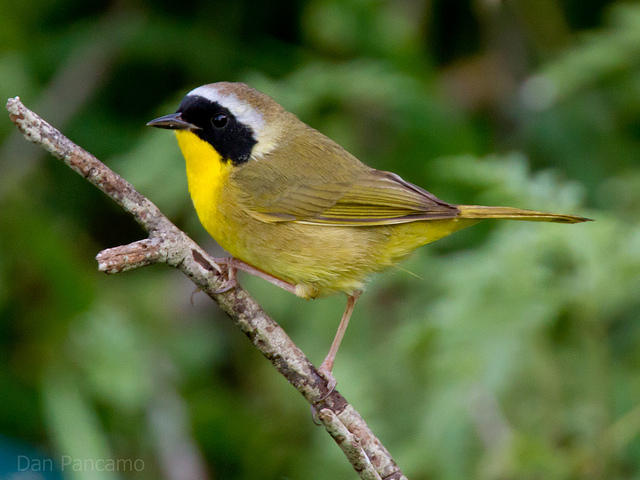
To put it less ridiculously: scientists get different results sometimes, and it can be hard to figure out why. Did someone make a mistake? Who is right? Today’s featured paper takes an example of this confusing scientific disagreement and elegantly makes sense of everything, with the help of this handsome little bird:

Common Yellowthroat (male). Photo by Dan Pancamo*

Common Yellowthroat (male).
Photo by Dan Pancamo*

Continue reading

Our regular programming will resume shortly

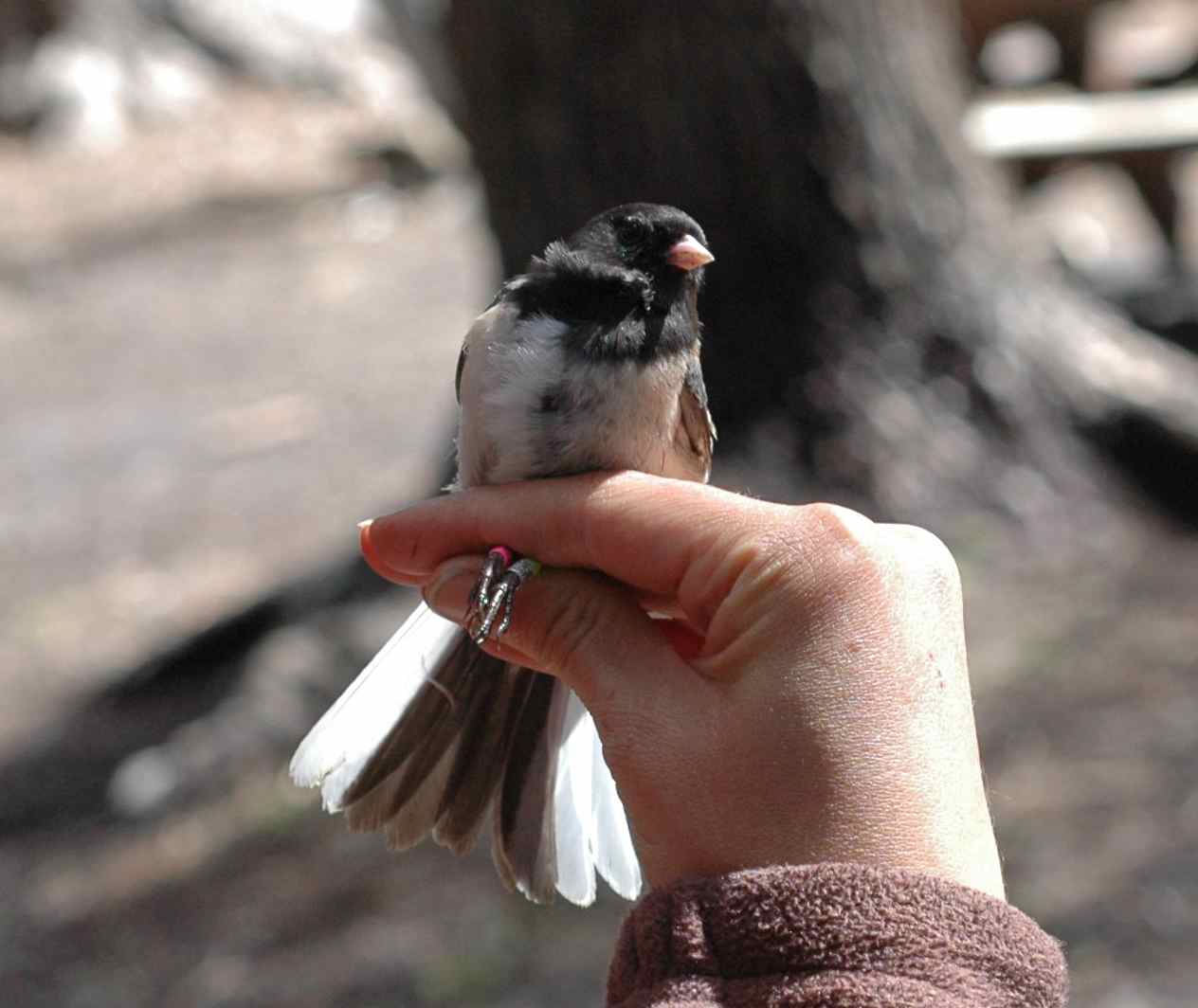
I’ve been neglecting my blog-writing duties lately, preoccupied with the annual Big Grant Proposal Deadline. My grant proposal is on sexual selection in juncos. What part of juncos is sexually selected, you ask? Why, that flashy tail, of course! They’re practically peacocks!

LANK showing off his sexy tail

LANK showing off his sexy tail

You're not quite there yet, little one...

You’re not quite there yet, little one…

I’ve also been TAing a class on animal behavior, so while I don’t have many extra words to spare right now—I need them all for that grant proposal—I do have a wealth of animal videos that have been brought to my attention by my fellow animal behavior fans. Please accept some videos in lieu of words.

Here is a video of a bird even drabber than a junco who attracts females with his sexually selected aesthetic tastes in things like flowers, shiny beetles, and slightly… er… less attractive items as well: the Vogelkop Bowerbird.

And here are some flies that—well, you should just watch it to believe it. It starts with them gulping air bubbles into their heads, and that’s not even the weird part.

Why are they like that? Sexual selection! Females in this species prefer their males as hammerheaded as possible.

Hey, why not?

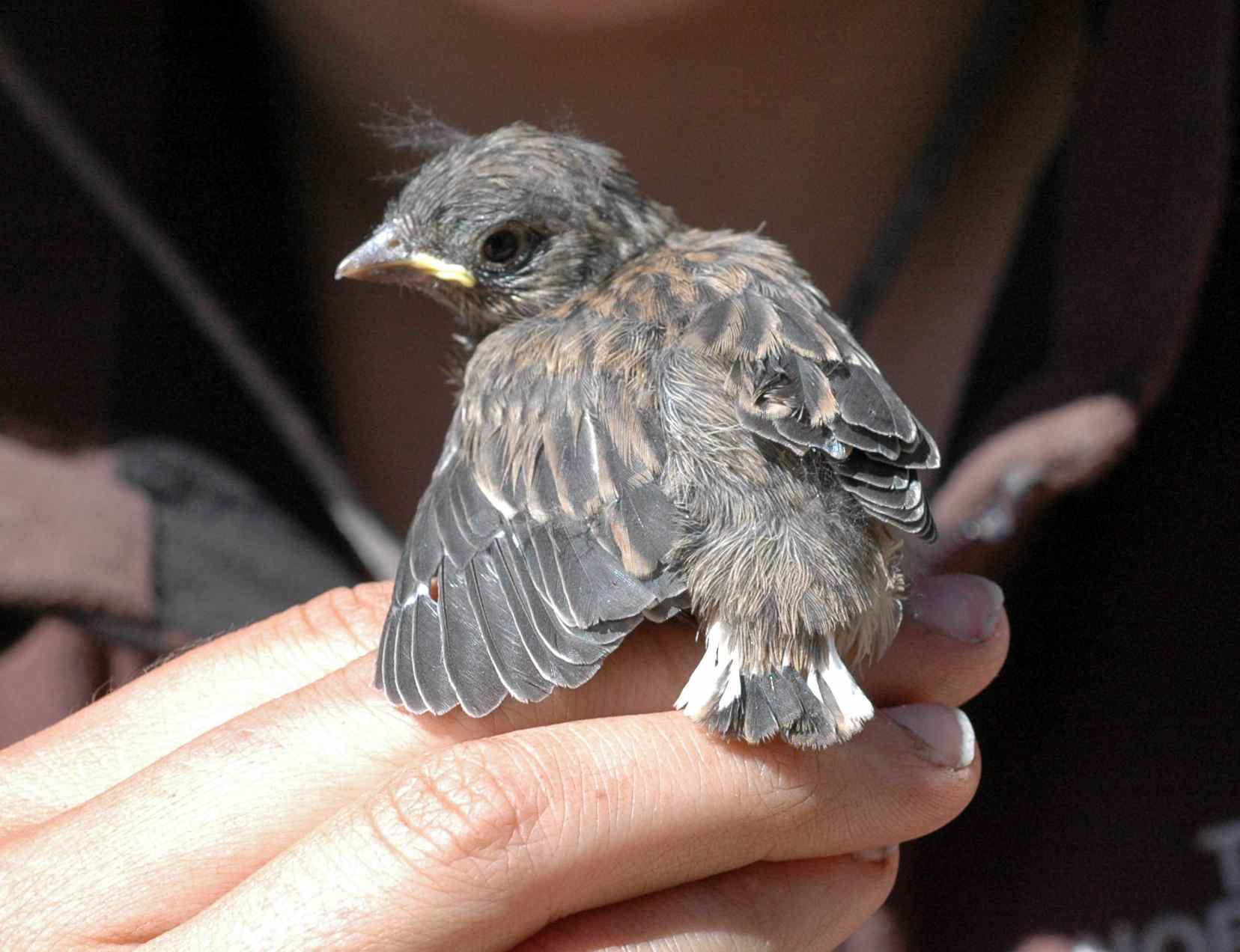
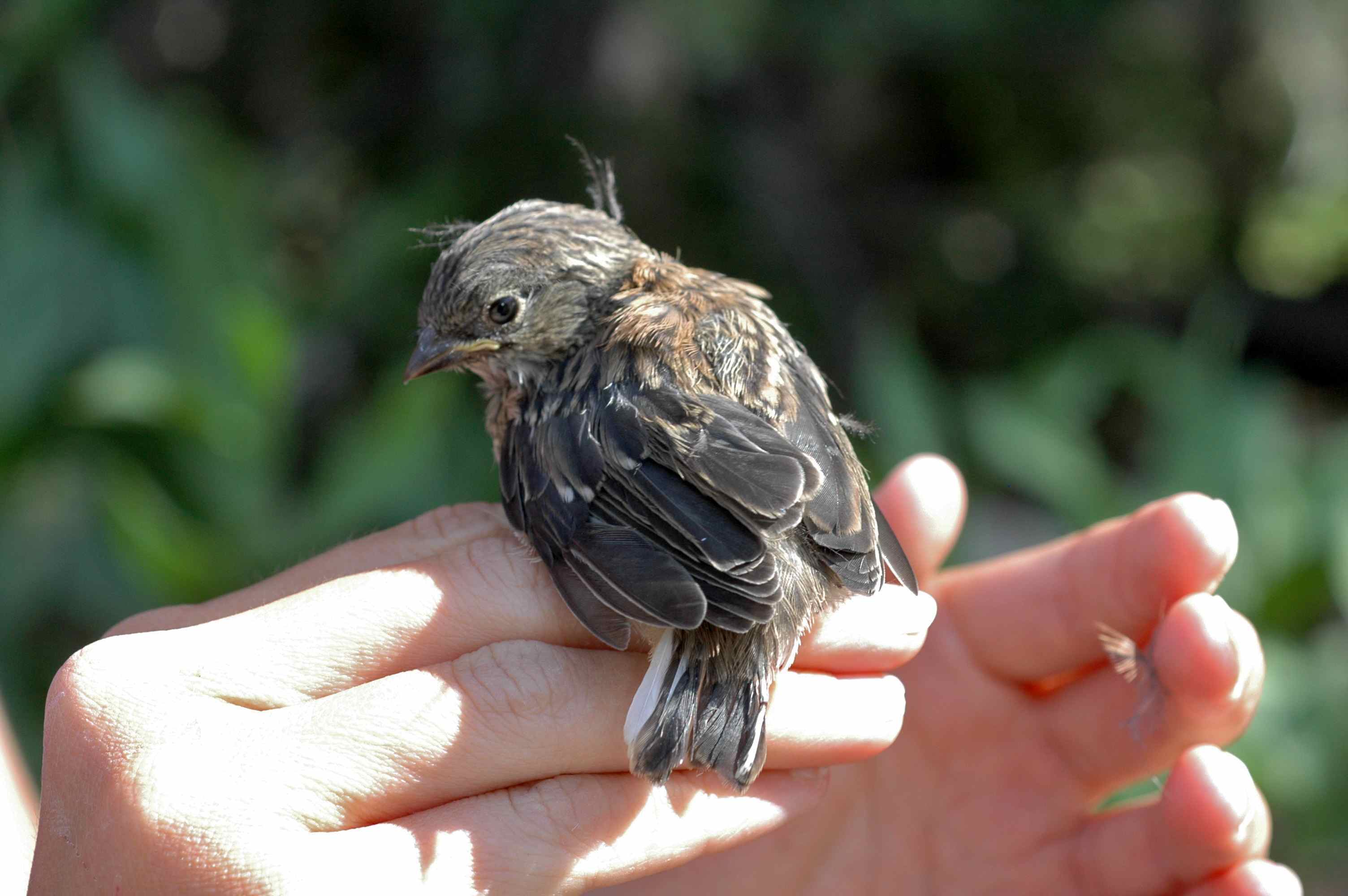
Chicks with attitude

2014_attitude1

Mammals—including us—use facial muscles to communicate, by, say, smiling or frowning. Reptiles and birds don’t do that: they don’t have the right muscles for it. If you think a bird looks grumpy, or angry, or has any similar human-type facial expression, you’re projecting your human perceptions onto an animal that really doesn’t work like that. (Now, whether the bird actually is grumpy is a different matter; I’m just saying that you can’t tell if it is by looking at its face.)

So the appearance that all these junco chicks have of possessing some serious attitude is merely an entertaining illusion.

What are you looking at?

What are you looking at?

Continue reading

Avian flight III: hummingbird flight

Hummingbirds are amazing fliers. They fly forward at up to 26 miles per hour; they fly backward; they hover. They beat their wings 50 times a second, so all you see is a blur, with that enameled little body floating serenely in the middle. They are flight acrobats. They are flight artistes. How do they do that?

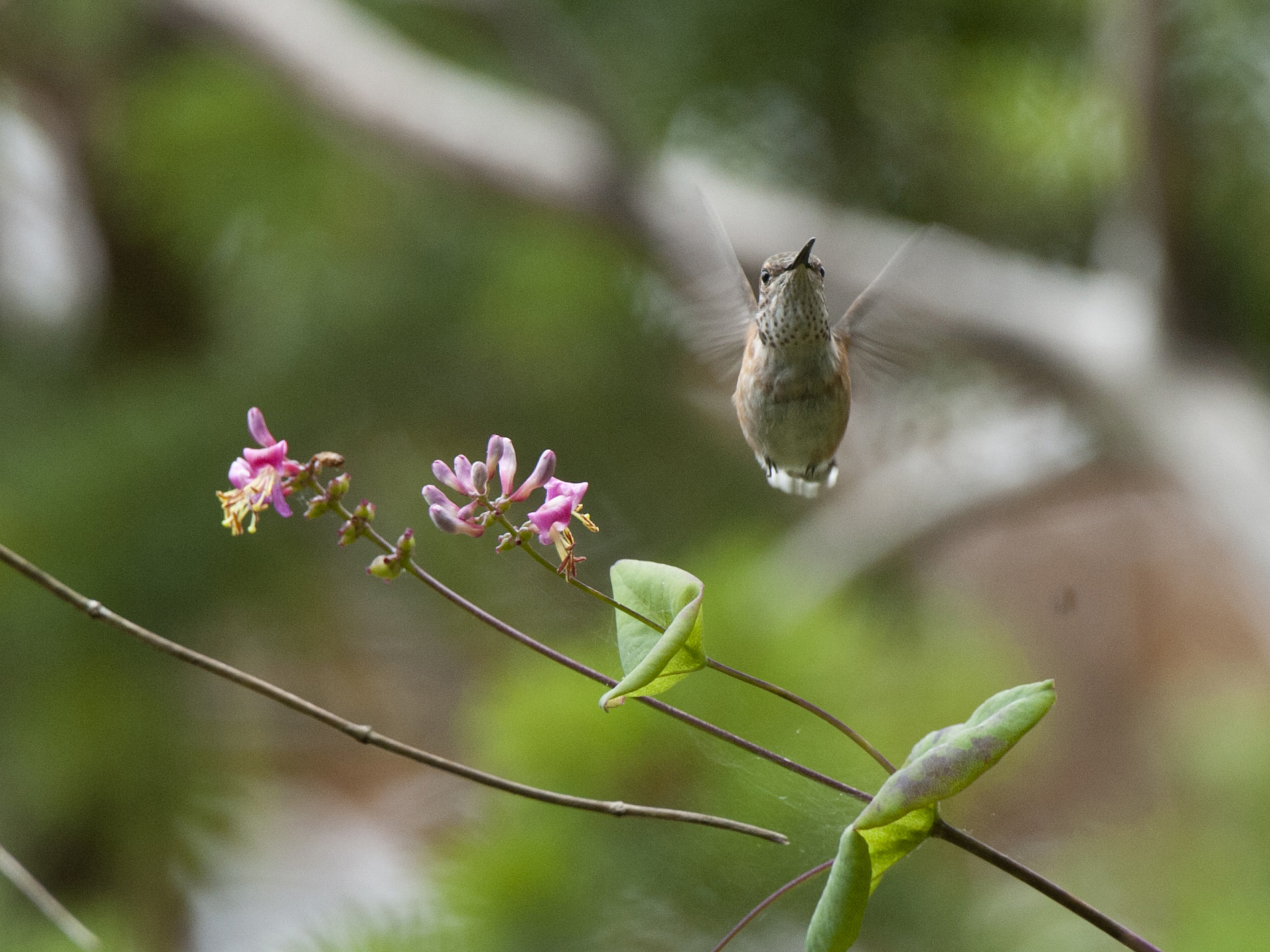
Rufous Hummingbird. Photo by M. LaBarbera

Rufous Hummingbird. Photo by M. LaBarbera

It helps that they are quite small. The amount of power that you can get out of your muscles increases as muscle mass (size) increases—bigger muscles, more power—but the amount of power increases less quickly than mass does. That is, if you double the size of the muscle, you get less than twice the amount of power out of it. This means that as an animal gets bigger, its ratio of muscle power to muscle mass decreases. An ant can carry enormous things for its size. A small bird can generate enough power with its muscles to hold its own body aloft and still in the air—to hover. A California Condor? Not so much. Hummingbirds’ small size means that they are, relative to their own body mass, very strong.

Rufous Hummingbirds are small. Photo by M. LaBarbera

Small size is a Rufous Hummingbird’s secret weapon.
Photo by M. LaBarbera

Continue reading

The mystery of the robot bear

It was well past dark when I first heard it: around 2 in the morning, it woke me in my tent. I lay awake for what felt like a long time, listening, trying—and failing—to classify the noise definitively as not a danger so I could go back to sleep. At the same time, I tried to think of what it sounded like, so that I could describe it the next morning. A large animal roar. A metal chair scraping across the floor. A death-metal chord. A train whistle.

Whatever it was, it neglected to devour me that night, and in the morning I was relieved to find that one of my field assistants had also been woken by the noise and shared my bewilderment. We agreed that it was primarily a cross between the bellow of some large mammal and the scrape of something mechanical, and so it was dubbed “the robot bear.”

The robot bear

The robot bear

The robot bear called most nights after that. Sometimes I thought it must be a noise of pain, or maybe rage—the tearing roughness in it sounded like strong emotion. Sometimes I was sure it was distant machinery; but we were surrounded by forest, and why would anyone be running machinery in the middle of the night?

Continue reading

The animal’s guide to networking

Despite pop culture’s image of the scientist as solitary genius, hidden away in his office surrounded by old coffee cups and rat mazes, with escaped fruit flies whirring around his head while theories fizz in his lonely brain, scientists can be quite social. Networking is important in science: it’s how you get jobs, find collaborators, and see new ways to think about your data. (Of course, the networking you’re doing is with other scientists, so escaped fruit flies may still be involved.) This week I’m attending the conference of the International Society for Behavioral Ecology in order to do just that, and the prospect of networking myself has made me think of other animals who network and the benefits they get from it.

networks_geese

Continue reading

Scarce bycatch

There has been surprisingly little bycatch this year: we’re more than halfway through the field season and so far we’ve only had two non-juncos fly into our nets. As usual, we took some photos of them and then released them.

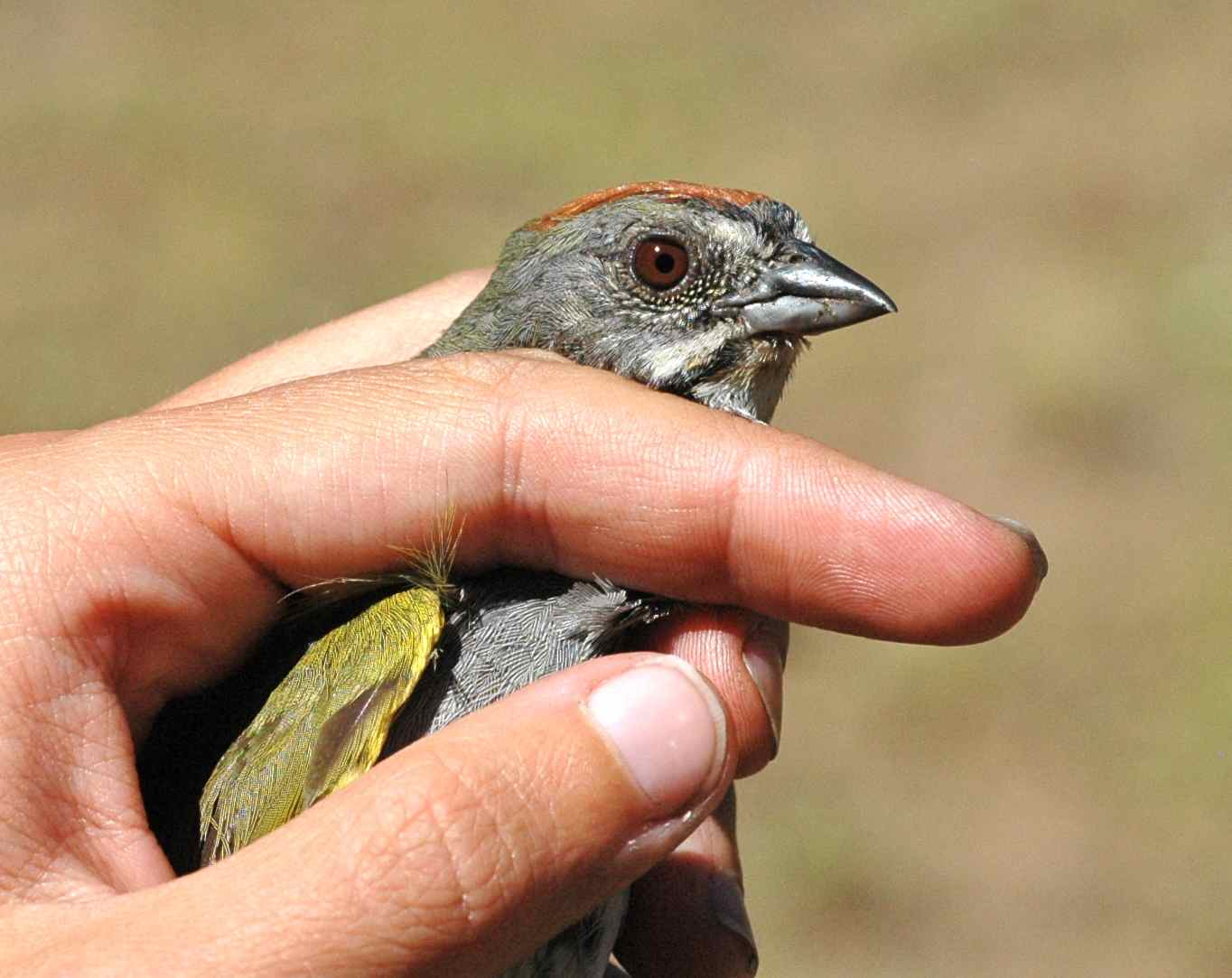
Green-tailed Towhee

2014_bycatch_GTTO2

I love these guys: the red eye, the stripes on the throat, the thick grey bill.

I love these guys: the red eye, the stripes on the throat, the thick grey bill.

Continue reading

Juncos underground

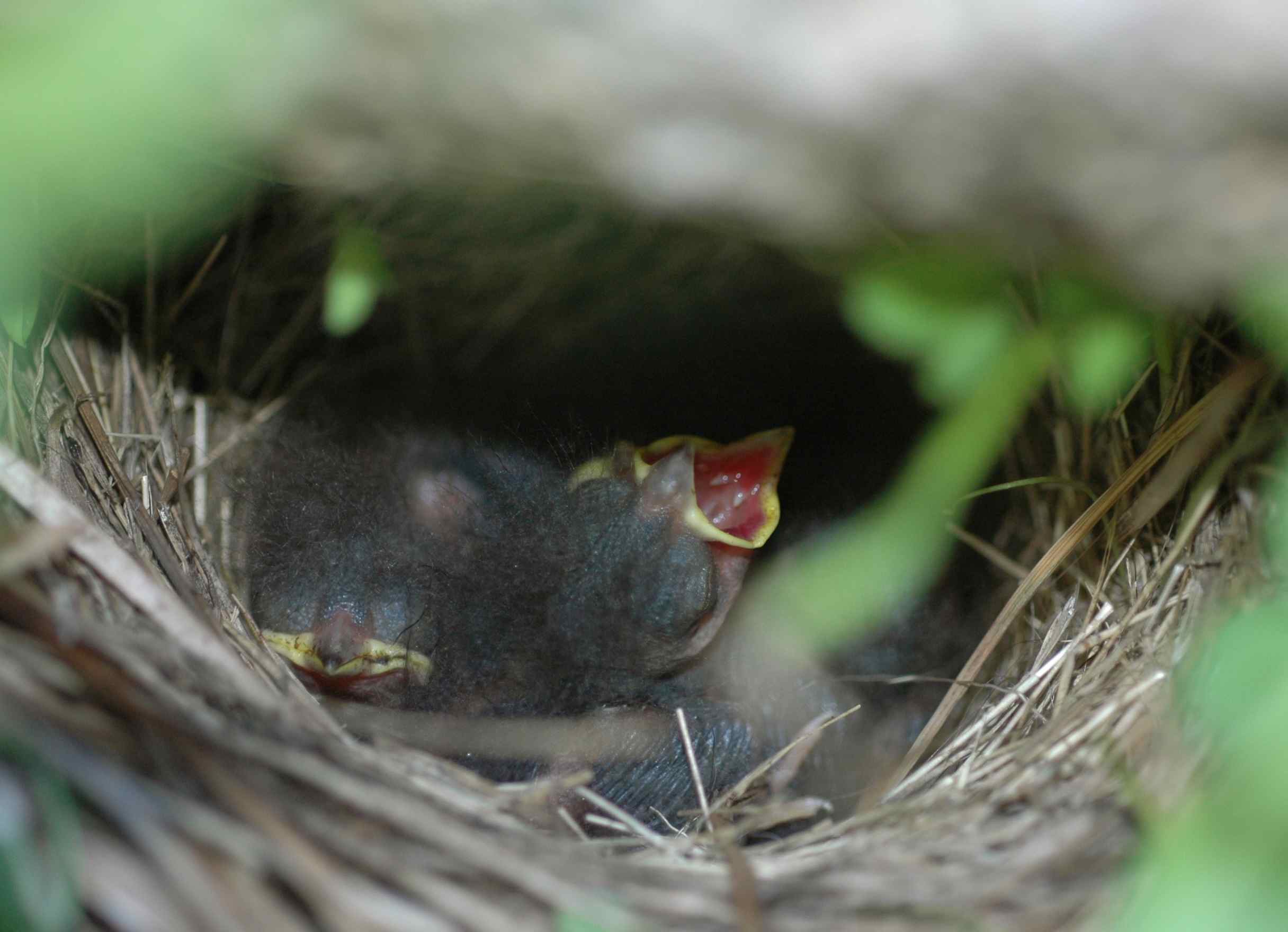
Juncos nest on the ground (usually; sometimes they will nest higher, even reusing old robins’ nests, but I’ve never seen this myself. It’s probably because I’m short). This makes their nests tricky to find, since in the first place, there is a lot of “the ground” to search, and in the second place, you have to be really careful where you step while you search.

They don’t just nest on the ground, though: they often hide their nests underneath things. Some of them are quite good at it.

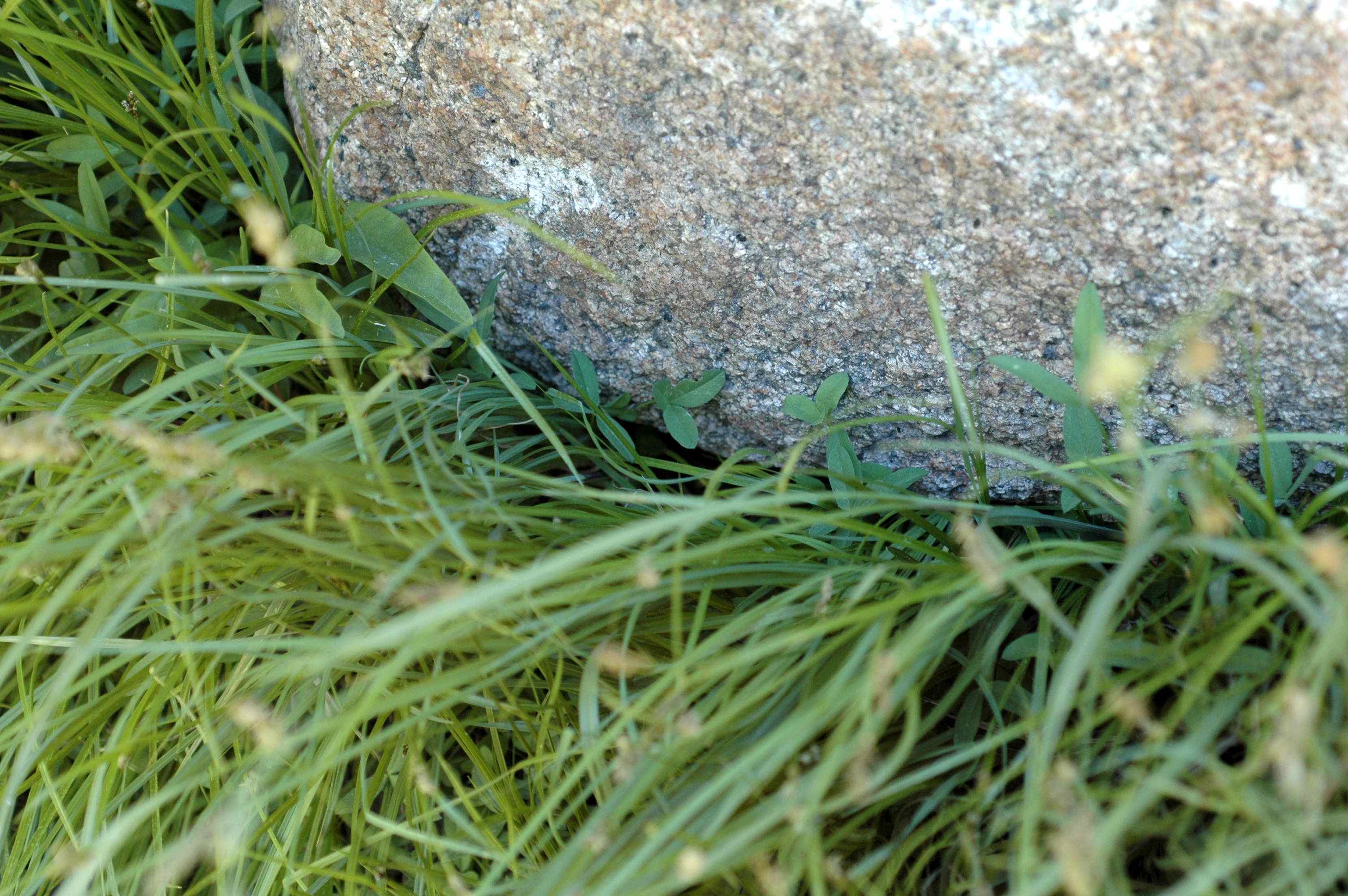
YABI's nest. What do you mean, you can't see it - it's right there!

YABI’s nest. What do you mean, you can’t see it – it’s right there!

See, there it is!

See, there it is!

Continue reading