We’ve all seen them do it.
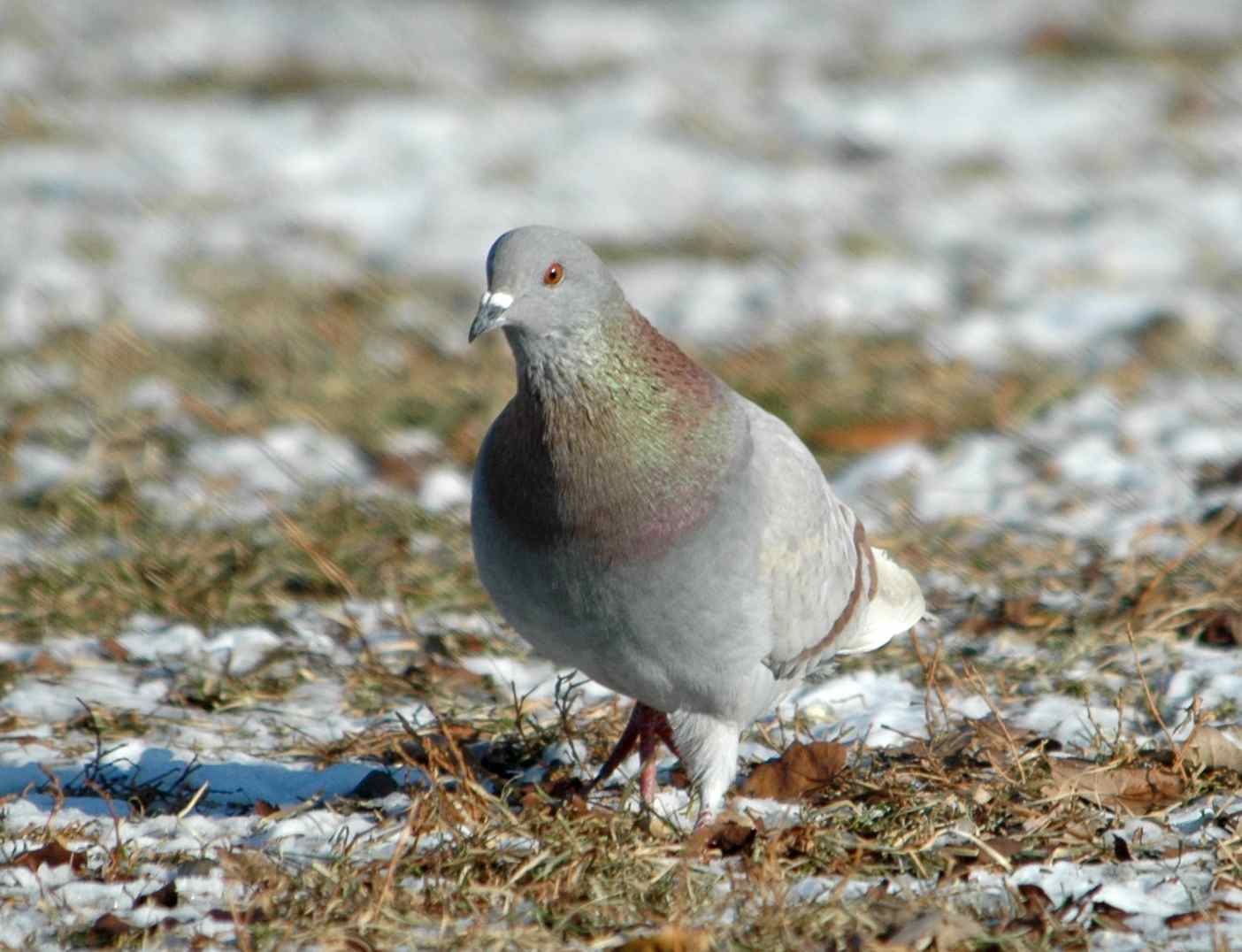
Head forward…

…head back.
But why?
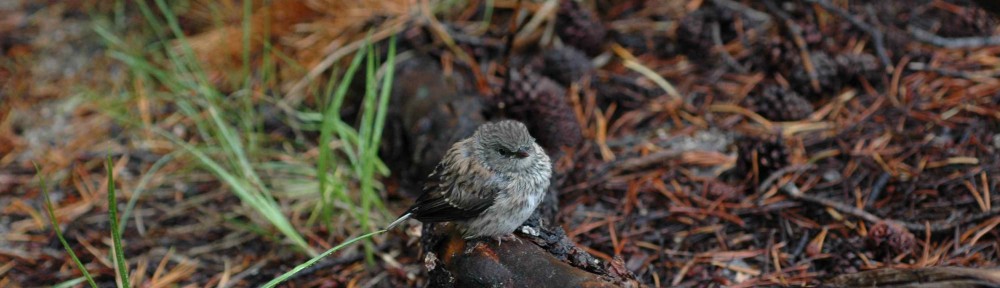
If you’re impatient for the New Year’s fireworks displays, here are some explosions of color in bird form.

Nicobar Pigeon. Photographed at Lincoln Park Zoo in Chicago.
I just noticed that I forgot to post the last bycatch of the season. Whoops! Here it is—only about three months late.
Adult Green-tailed Towhee
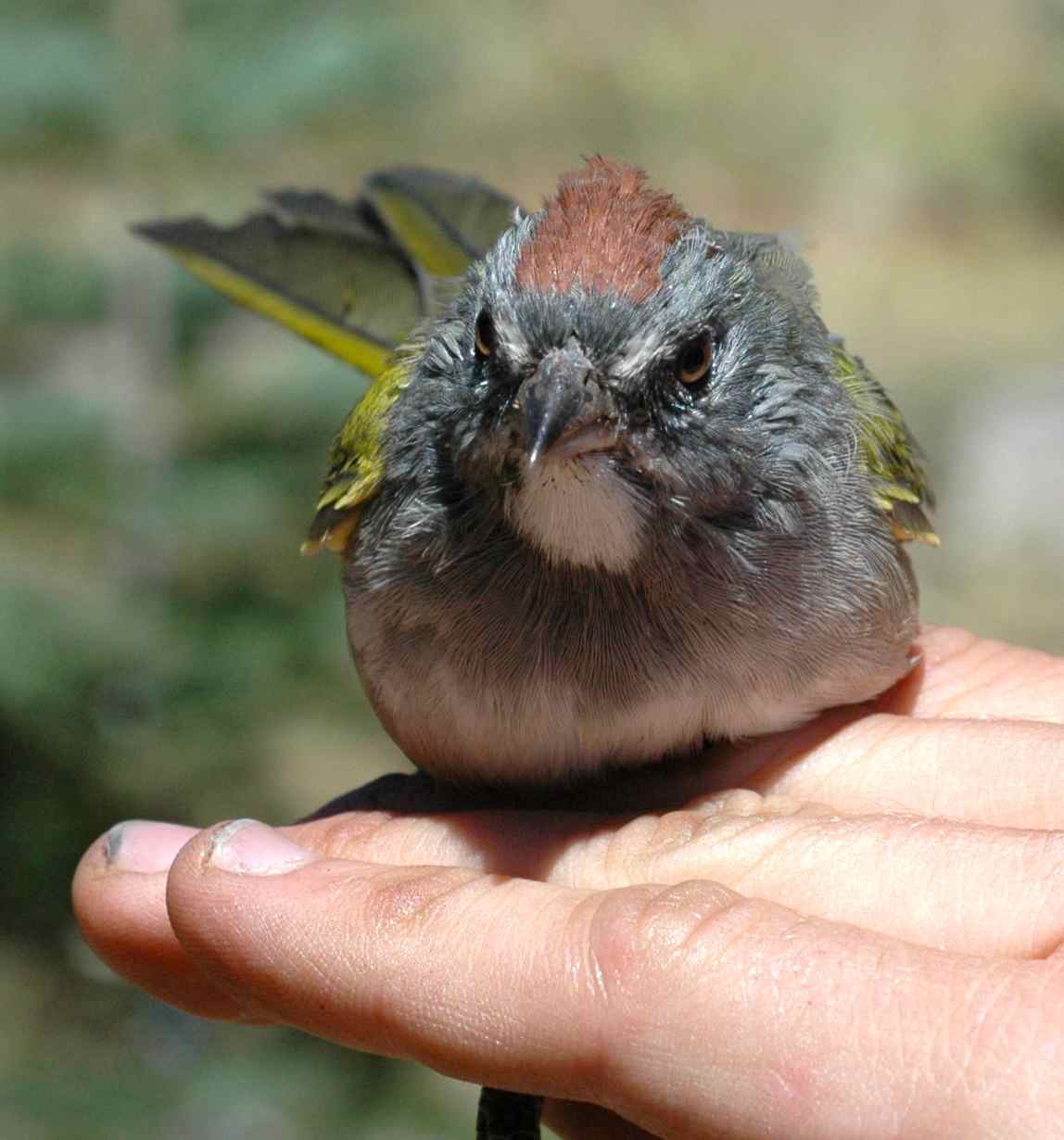 When I saw my first Green-tailed Towhee, I had only just moved to California and was not at all familiar with western birds. I remember looking through my binoculars at the bird singing from the top of a tuft of sagebrush, memorizing traits in order to look it up in my bird guide, and thinking “No way am I going to find this. This is going to be one of those birds that I’m seeing in a weird light so that I’ll never be able to ID it, and I’ll tell people, ‘I swear it was green with a red cap!’ and they’ll never believe me.” But then there it was in my Sibley’s: green with a red cap. I love these birds.

In general, we understand red birds thusly: the brighter the red, the better the bird. (Why? See this post.) The better the bird, the better his genes/parental care/mate, and the better his reproductive success.
But sometimes it’s more complex—and interesting—than that.

Red male House Finch. Photo by M. LaBarbera.

Yellow and orange male House Finches.
Photo by Ken-ichi Ueda.
At the Lincoln Park Zoo in Chicago recently, I got the chance to see some particularly charismatic birds, including a colony of squabbling flamingos, and Sophia the young Cinereous Vulture. Abandoned as an egg, Sophia was raised by humans—with a vulture puppet—until she was old enough to rejoin her parents.
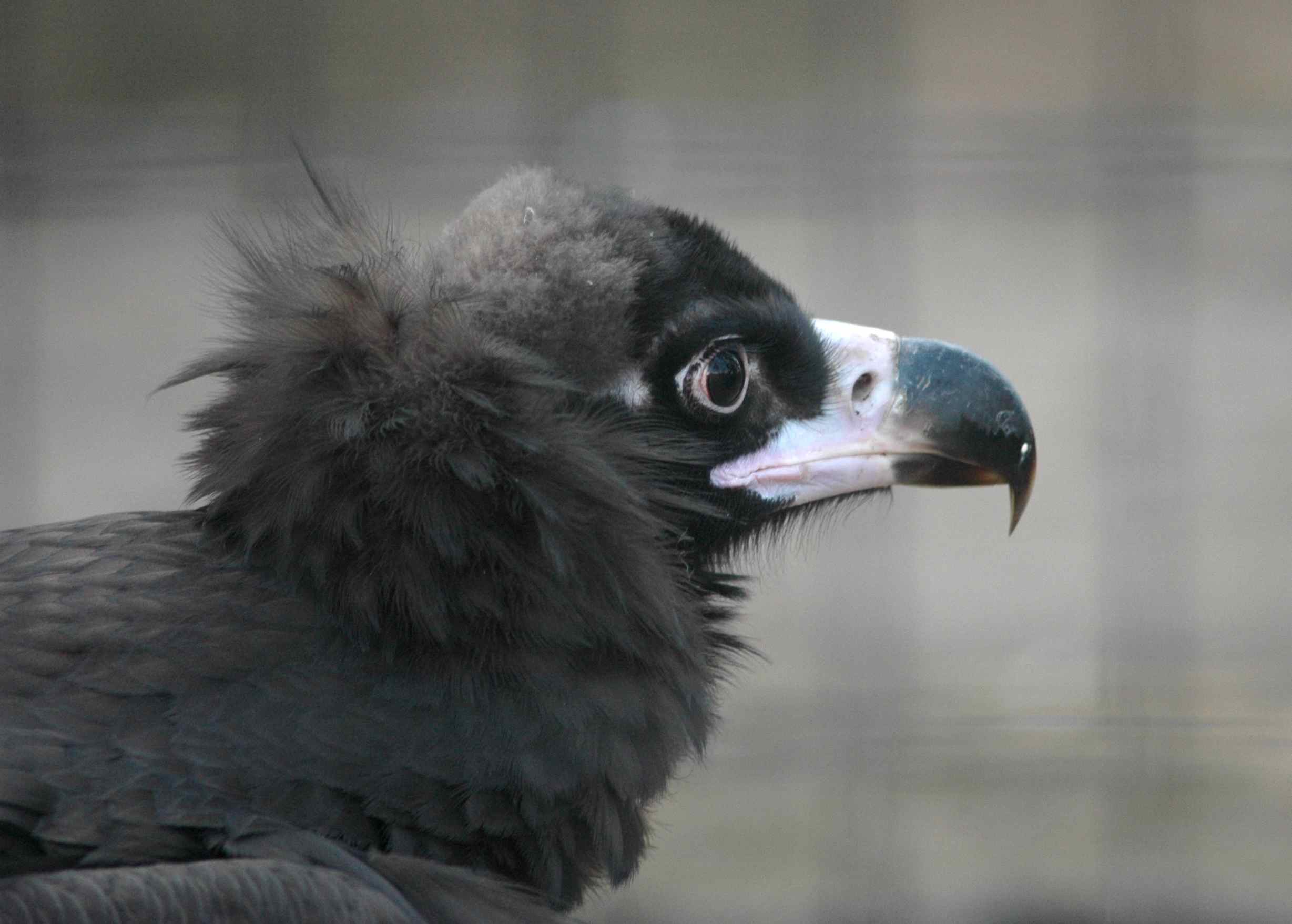
Sophia the Cinereous Vulture, at the Lincoln Park Zoo in Chicago.
The morning I saw her was overcast and cold, but she was in high spirits: a man was raking her enclosure, and while her parents mostly ignored him, Sophia was fascinated. She chased the rake; he shooed her away; she stalked it. “I helped to raise her,” the man said; then, rolling his eyes, “It’s impossible to get anything done with her around.” Eventually he dropped the rake, and Sophia got to investigate.
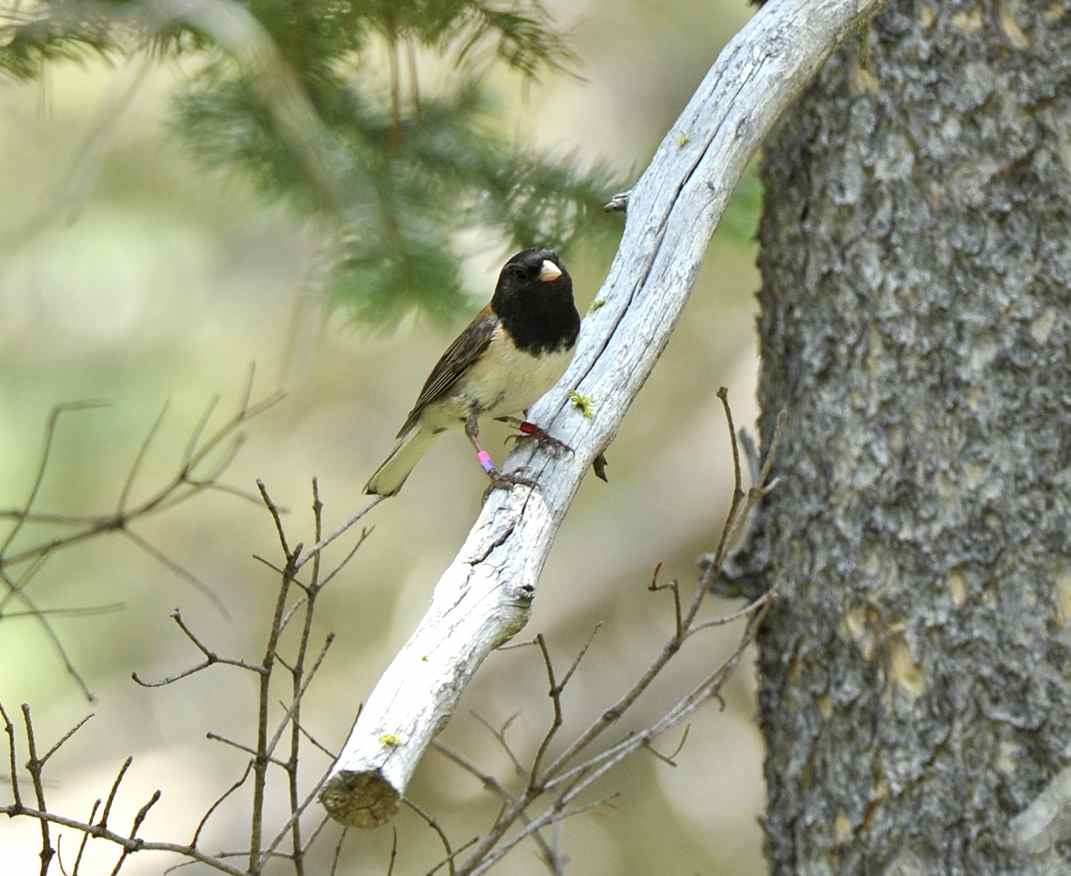
ARKM the Dark-eyed Junco showing off his perfect birdiness.
Photo by M. LaBarbera
I think we can all agree that the junco is pretty much the Ideal Bird. Ask any small child. Brownish, feathers all over, small round body, short neck, cute twiggy legs, little triangle for a bill: that’s what a bird looks like.
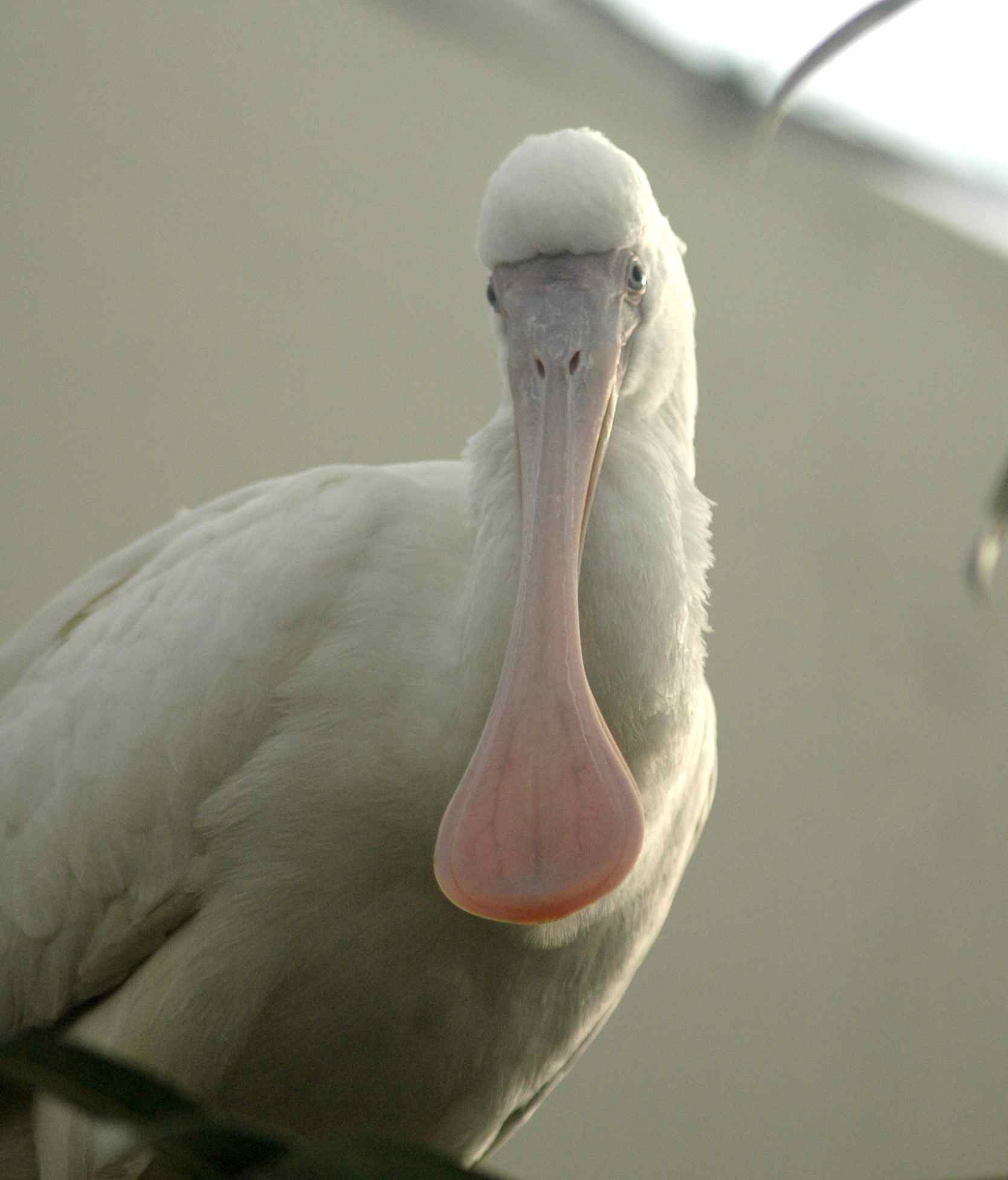
Um…
Or not. None of the following birds look like a small child’s quintessential Bird, because these birds—with their spoonbills, mustaches, and scary dinosaur feet—are awesome weirdos.
In the sciences we think a lot about how to recruit more [insert underrepresented group here]. There are a lot of challenges to this, such as that many people may not know that there are real paying jobs to be had studying animals/chemicals/theoretical physics, or that many entry-level research positions pay next to nothing so you have to have a certain level of financial security just to start out in the field. But even if you know the jobs exist, and even if you have figured out the finances somehow, you still have to have the confidence to go for it, and that can be difficult. It’s easy to think that you don’t know enough to start research, or that everyone else must know more than you do.
So this is How I got into research: or, I promise you are not less qualified than I was, so just go for it.
 One morning when we were target-netting a female named IKIA, the field of corn lilies in which she had hidden her nest seemed to be full of butterflies.
Considering how much time we spent in the field, and that one of my field assistants was by natural inclination a herpetologist, we found surprisingly few herps (reptiles and amphibians) this summer.
Pacific treefrog (subspecies: Sierran treefrog)
This guy comes in brown or green. The two morphs look very different from each other:

Brown morph
Photo by M. LaBarbera

Green morph
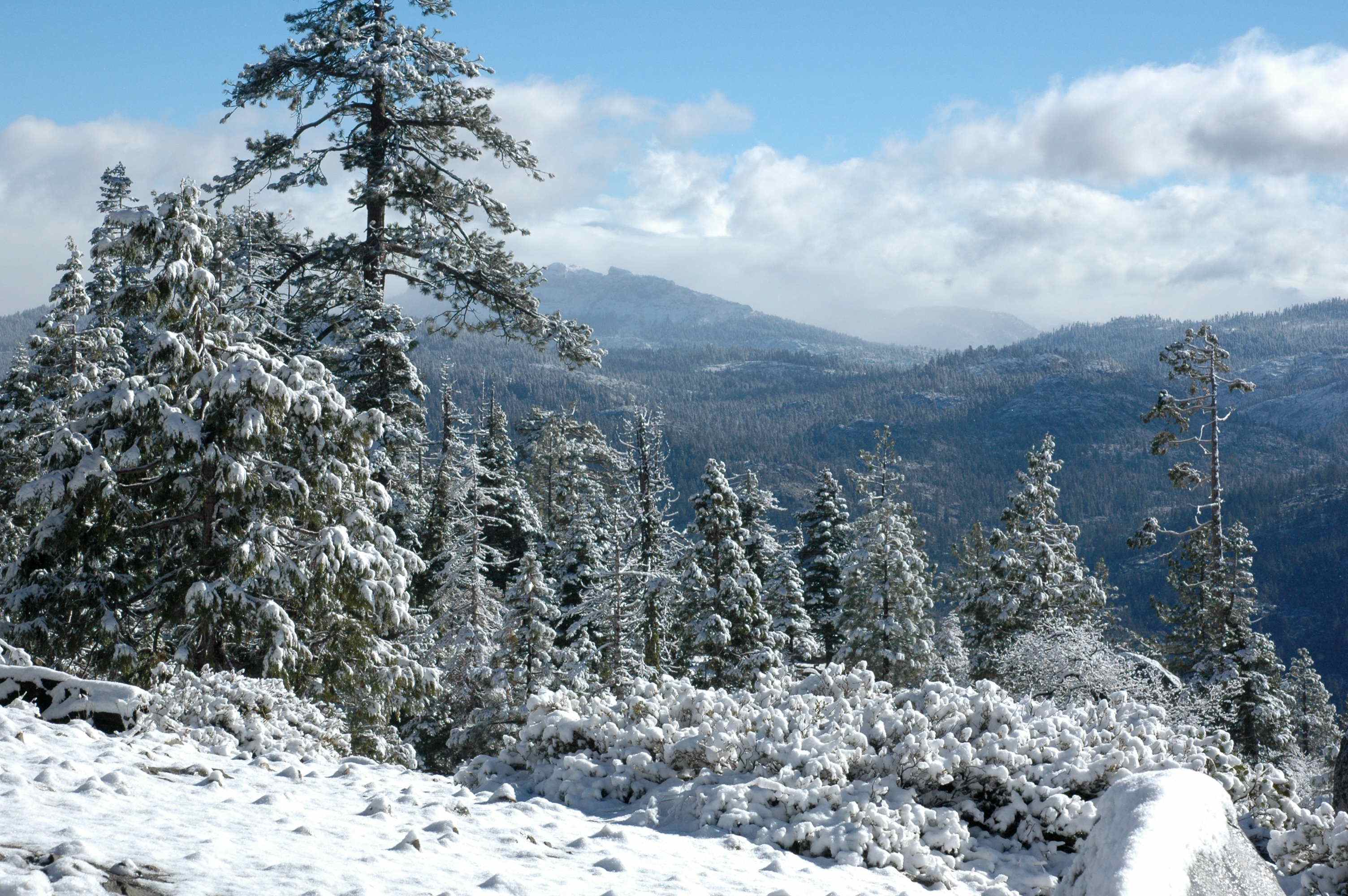

 Tough Little Birds