I always thought of puffins as fairly dignified birds. They look sleek and posed in the photos you usually see, like statues of themselves. Recently, however, I discovered that to get that sleek, clean look, puffins take on some poses that would be quite hard to capture in a statue.
Category Archives: miscellaneous
Biology with third graders
In the past month I have been occasionally visiting local third-grade classes with some colleagues to deliver a lesson on adaptive variation. It isn’t as dry as that makes it sound—there are puzzles and tiny spoons and squishy fishing lures. We are fun scientists. Science is fun! Science is fun but if you don’t put the fishing lures back in the bins and pay attention, we won’t get to start, okay, I know they’re gross, please don’t throw them, thank you, as I was saying, science is fun!
It has been interesting to see how much difference there is between classes. One class squirmed and giggled whenever we suggested that animals might need to find, as we put it, “boyfriends and girlfriends.” Another class was completely unfazed. “Yes,” one student in that class clarified, “they need to find mates.” Every class so far has known about camouflage and what hummingbirds eat.
Who let me have a smartphone?
I held off getting a smartphone for a long time. I frustrated friends who tried to text my ancient flip phone internet links and baffled people by actually getting lost and having to phone for directions. (Who gets lost these days? Everyone has Google Maps in their back pocket now.)
But I’m going to two conferences in unfamiliar places this summer, and I don’t particularly want to get lost in Alaska or Brazil. So I got a smartphone. And now I have a camera in my back pocket all the time.
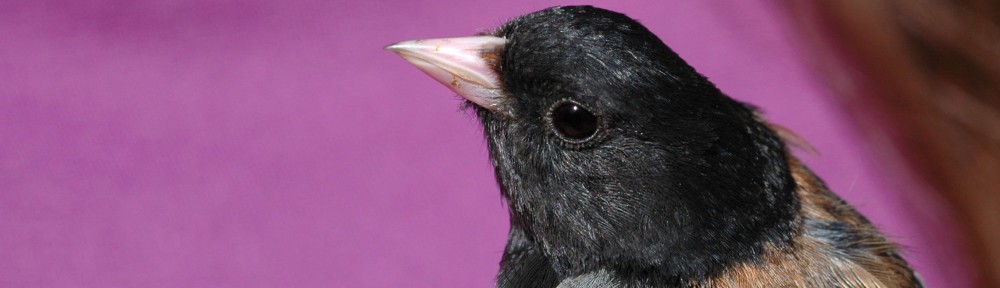
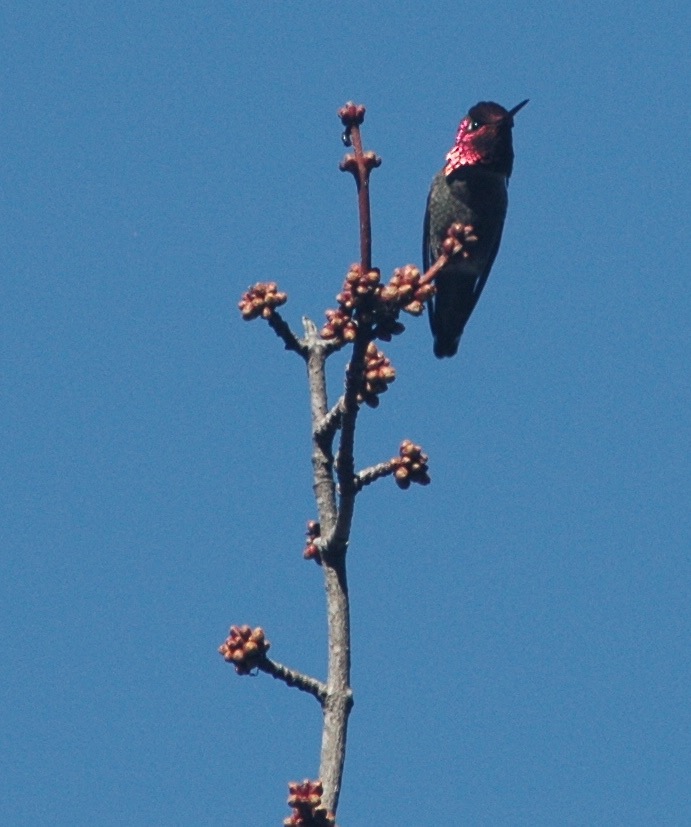
Not surprisingly, in my hands this has mostly yielded pictures of birds.
More summer mountain flowers
More mushrooms of the field, plus a mystery thing
I know my last mushroom post left you wanting more, so here they are: the fungi of field season 2014.
Summer mountain flowers
Soft fuzzy round warm
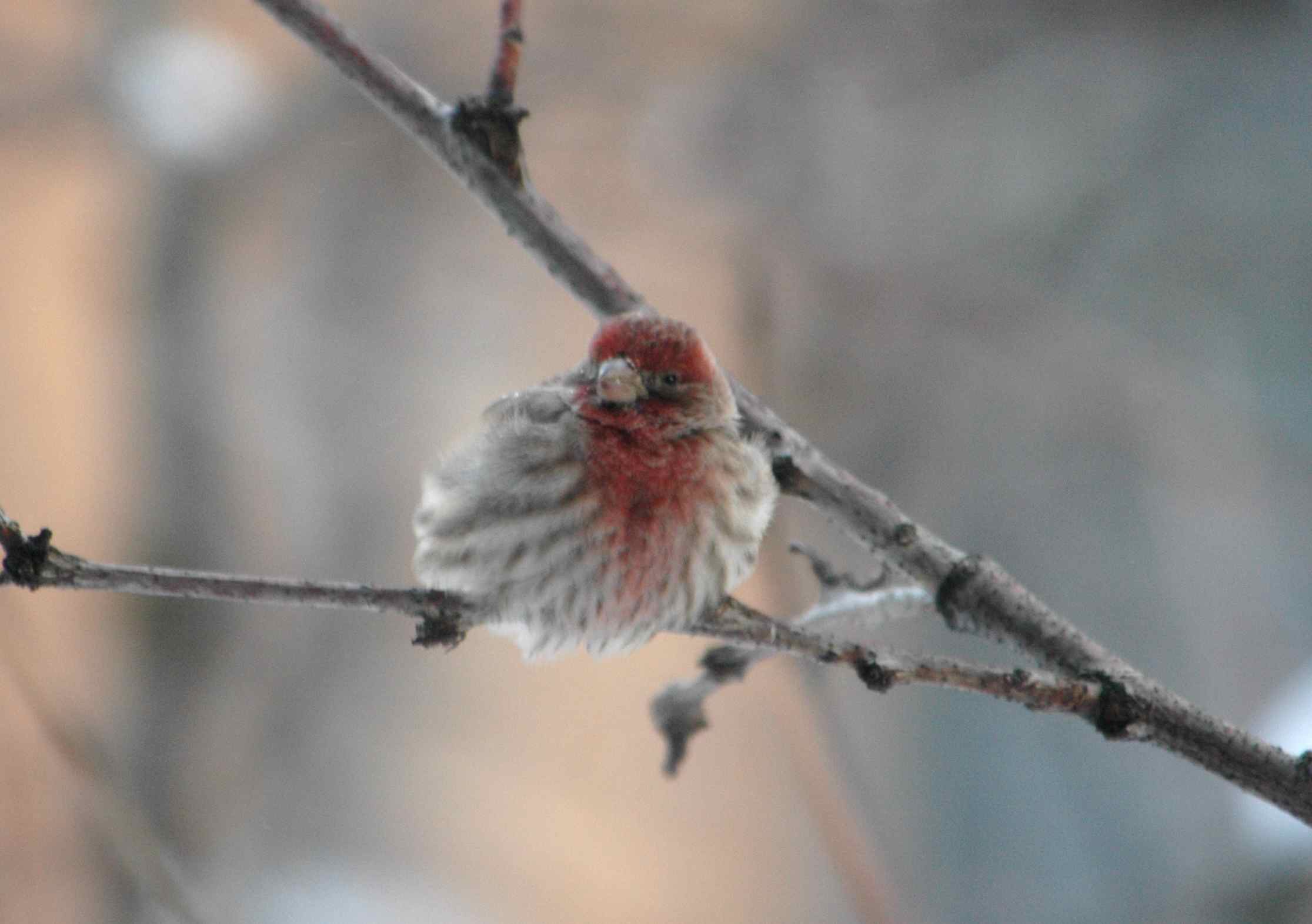
It’s the time of year for hot chocolate and blankets and pictures of soft, fuzzy, round animals.
Bats are cool (and generous, and selfish, and fuzzy)
I’ve become more-than-usually interested in bats recently, for extremely serious scientific reasons.
Okay, no. It’s because of this video:
But bats aren’t just cute (and really, what animal wouldn’t be cute wrapped up like a burrito? I challenge you to think of one; even a cockroach would look big-eyed and winning). They are also intelligent, social, and adept hunters.
Does food taste the same to animals as it does to us?
Every day, I feed my cat small, round, hard pellets that look about as appetizing as old gravel, and she gets so excited about them. I tasted one (for you, dear readers!) and I would describe the taste as falling somewhere between the meh of cardboard and the bleh of rancid fish. Not recommended. For her part, the cat flinches if I consume an orange anywhere near her; you can tell she thinks I am disgusting for eating them. It seems pretty clear that she and I have different tastes in food. Are such differences simply matters of individual preference, or is there a biological basis for them?

It’s hard to know what something tastes like to someone else. My personal experience of peanut butter (disgusting) is likely to differ from yours (mmm, yum), despite our belonging to the same species. However, we can say with some certainty that both of us can taste peanut butter, and that it will not taste like lemons to either of us. Humans have five major types of taste receptors: sweet, umami, bitter, sour, and salty. Sugar is sweet, hamburgers and mushrooms are umami, coffee and India pale ales are bitter, lemons are sour, and salt is salty.
Let’s talk about bird tongues
You don’t have to look at many birds to realize that they are very variable in appearance: hawks look different from hummingbirds, and both look different from peacocks. You can spend a lot of time looking at birds, though, before you realize that they are hiding a lot of variation inside their mouths: long tongues, short tongues, spiky tongues, curly tongues, forked tongues, frayed tongues, brush-like tongues.
Like bird bills, bird tongues are specialized to each particular bird’s way of feeding. Birds that feed on nectar have tongues specifically adapted to nectarivory, often with many little protrusions at the tip of the tongue, giving it a frayed or brush-like appearance. This brushiness increases the surface area of the tongue, making it better at picking up nectar.