Ducklings with superpowers

Everyone knows ducklings: yellow fuzz, big flat bills, big flat feet, cute little waddles all in a line after Momma, and superpowers.
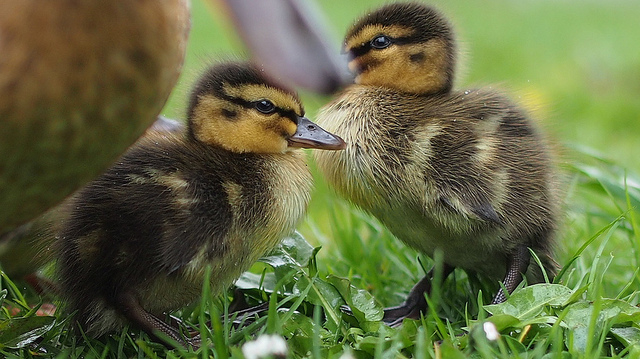
Photo by Farrukh*

Photo by Farrukh*

What, didn’t you know that last part?

Death-defying leaps!

Several duck species nest high above the ground in tree cavities. This is safer than nesting on the ground, predator-wise, but it also means that the ducklings hatch very, very high up. And then they have to get down.

When they hatch, the ducklings weight very little, which helps: the less you weigh, the less you are hurt by falling. Terminal velocity—the fastest that gravity will make you fall—depends on weight, so small creatures are essentially safe from falling no matter how far they fall. The cushiony leaf litter on the ground helps the ducklings too. And notice how they flatten out, spreading their little legs out behind and their wing stubs out front, their bodies as spread out as possible: they are gliding—albeit not as well as a true glider like a flying squirrel, but nevertheless slowing their descent so that they can land safely.
Continue reading

Photos: birds who know what they’re doing

The last week has felt very hectic, not just for me but for my whole lab. It seems we’re all prepping for a field season/writing a paper/learning how to solder under a microscope. (Okay, that last one might not apply to all of us.) Not only do I have too much to do, but I can’t seem to decide when I should be doing what. Is it most crucial to be writing the paper revisions that are due soon, or packing dinners for the field? Or wait, isn’t starting the camera batteries charging the first most-important thing? But if I don’t take the car to the mechanic before doing everything else, we won’t even be able to get to the field…

So, to balance out my crazy disorganized brain, here are some birds who are doing exactly what they need to be doing and not second-guessing themselves at all.

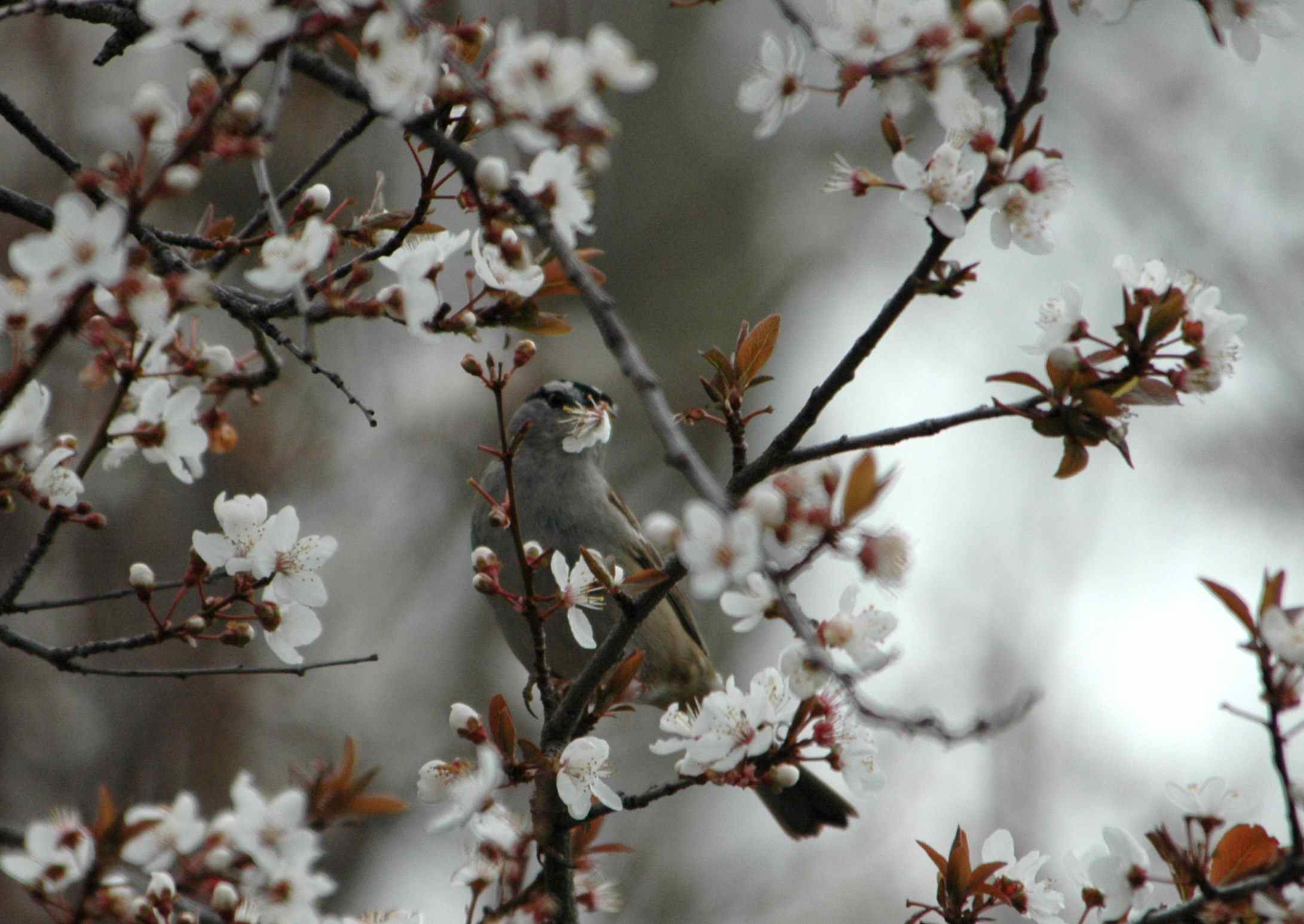
White-crowned Sparrow: eating a flower.

White-crowned Sparrow: eating a flower.

Black Phoebe: watching for bugs.

Black Phoebe: watching for bugs.

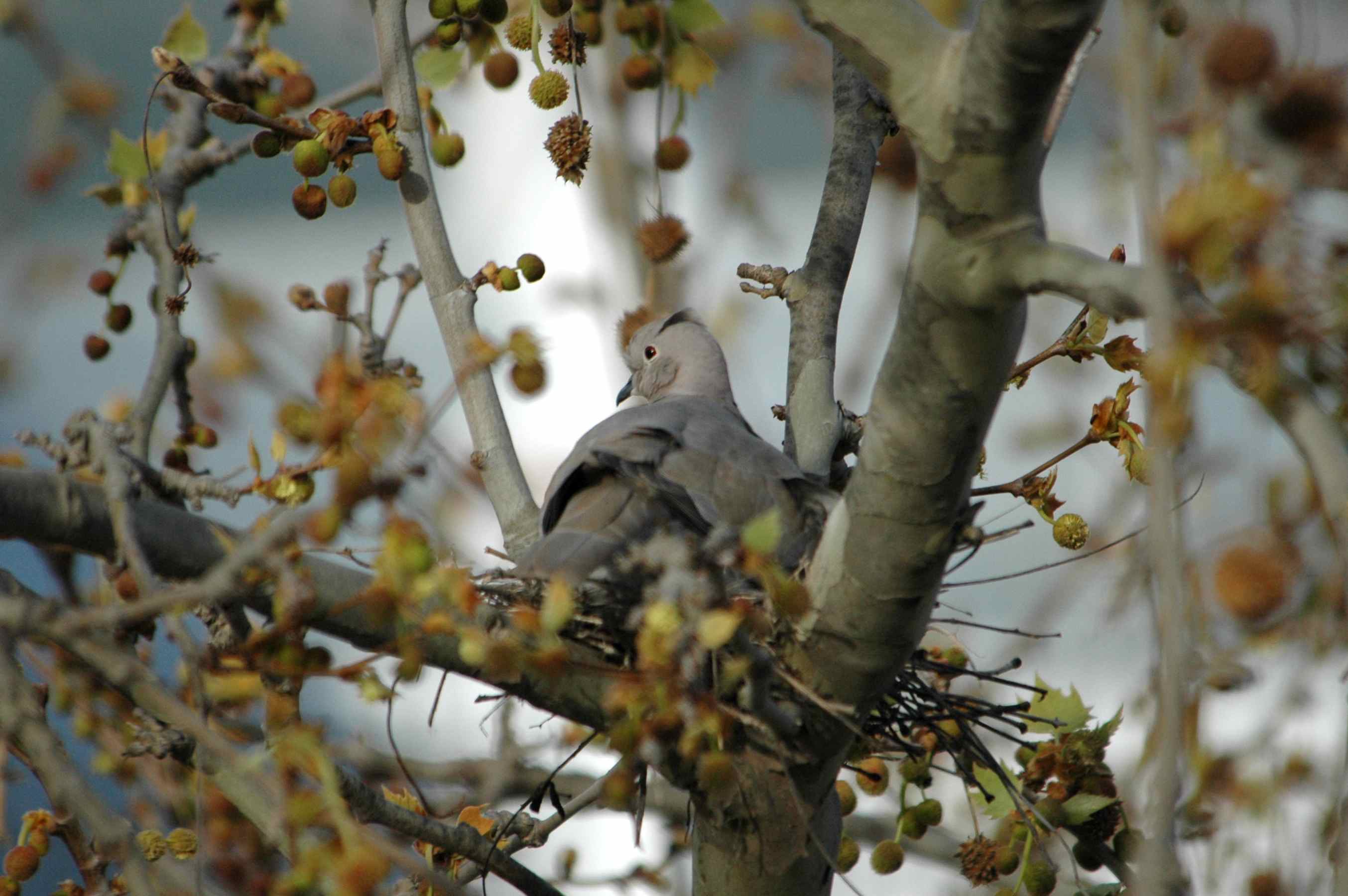
Eurasian Collared Dove: sitting on her nest.

Eurasian Collared Dove: sitting on her nest.

Continue reading

Getting ready…

Suddenly it seems like everything is happening at once. The project for which I spent months measuring museum specimens has abruptly transformed (with the help of some key collaborators) into analyzable data, with statistical models and graphs and potential paper titles. The start of the field season, so far away for so long, is next week. And I’m giving a guest lecture to a large class today, which, although I’ve done it before, has been the occasion for some minor panic on my part.

After all this I will relax with some Sanderling bowling.

After all this is over, I will relax with some Sanderling bowling.

Continue reading

Safe behind these castle walls, eggs: how birds’ nests protect their precious contents

Recently I was lucky enough to spend some time in Spain, where the land is dotted with hilltop castles and the winding narrow streets of the old cities are encircled by sturdy stone walls. I crouched behind crenellations, pretending to be a bowman awaiting attack, and climbed dark winding staircases glad that no defending army waited at the top.

Winding staircase in the Olvera castle. Photo by Q. Stedman

Winding staircase in the Olvera castle.
Photo by Q. Stedman

It’s exciting and romantic to imagine castles and walled cities in the flush of functionality, but it’s hard to ignore that the motivating force for those structures was real, unromantic, gut-knotting peril and fear. The people who lived in those cities put up thick stone walls with their hands because they thought other people were going to come and unromantically kill them—which they sometimes did.

Gulls standing guard over Tarifa.

Gulls standing guard over Tarifa.

When birds build nests, they’re responding to that same threat. Eggs and baby birds are easy targets for anything from mice to snakes to deer to toucans. To keep them safe, birds too rely on stout walls, secret passageways, and defending armies.

Continue reading

Why be shaped like a snake? (Also, weasels)

Here’s a puzzle: you’ve gone to all the bother to evolve fins, then limbs, and then even limbs with all these complicated joints and toes and whatnot—and then you lose them. Limbs all gone.

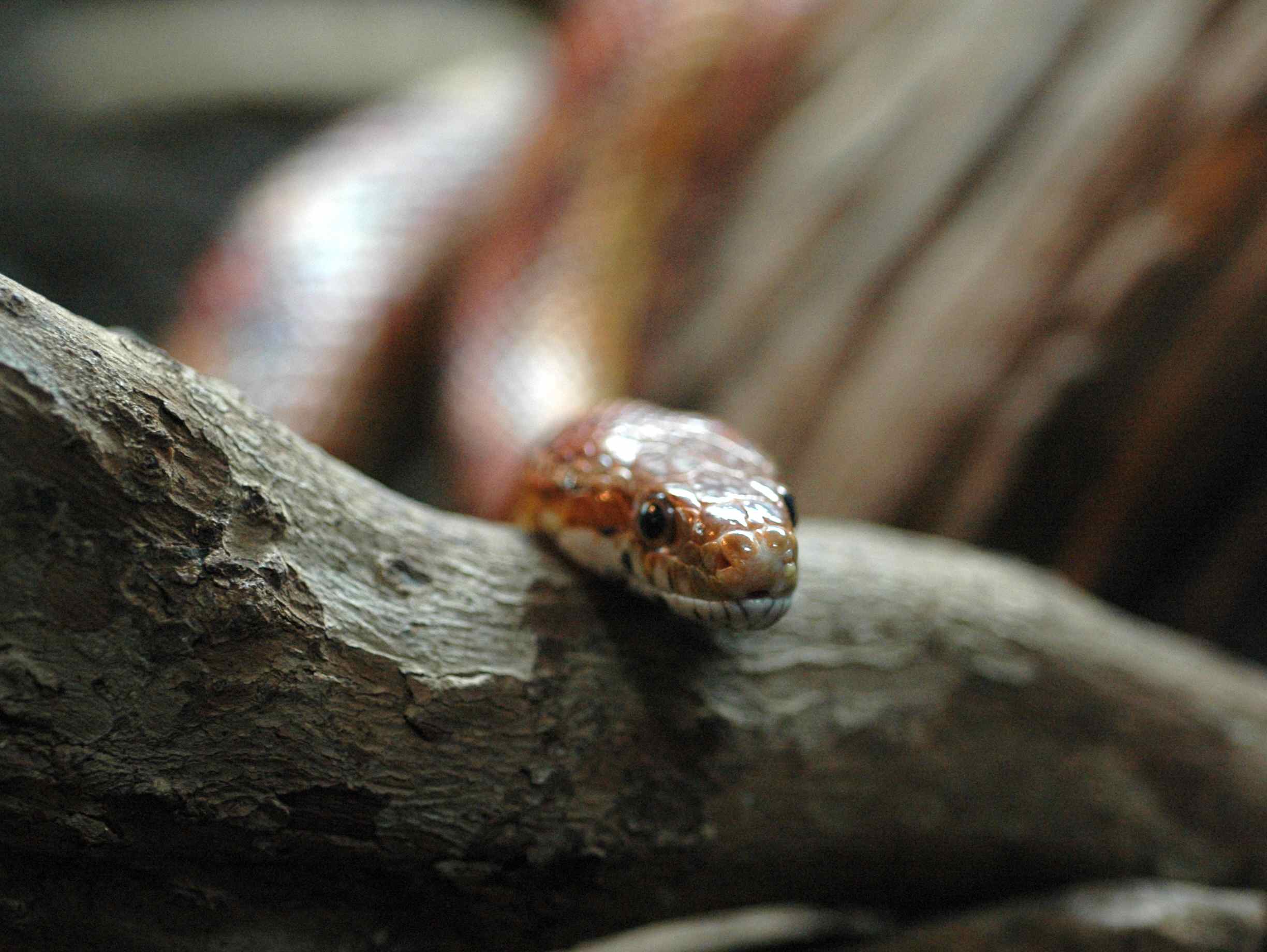
You're just a head and a tail now. Why, corn snake, why?

You’re just a head and a tail now. Why, corn snake, why?

This seems counterproductive, to say the least. Yet it isn’t just the snakes going in for the serpentine body plan: caecilians, amphisbaenians, and legless lizards lost their legs, too, and they aren’t evolved from snakes—these limbless animals all lost their limbs independently.

To understand how being snake-shaped might be adaptive, we’ll also consider some animals that are almost—but not exactly—snake-shaped: the mustelids, or weasels.

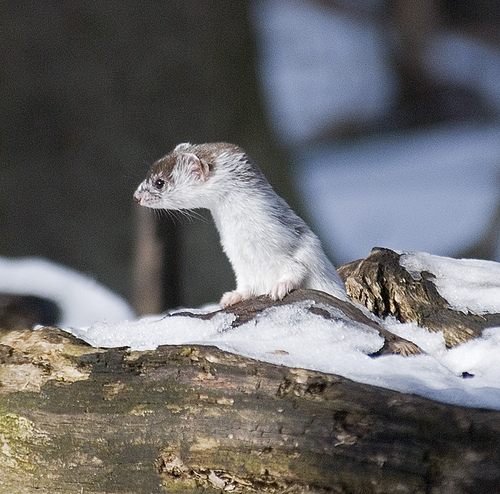
Least weasel. Photo by Sergey Yeliseev*

Least weasel. Photo by Sergey Yeliseev*

Continue reading

Field season 2013 moments in photos

I’ve started planning the upcoming field season in a serious way now—deciding on dates, interviewing potential field assistants. It’s made me think a lot about last field season, and about how much I haven’t yet found an opportunity to mention in this blog. So this post is just going to be a selection of memorable things that happened last field season, without any real theme but with lots of photos.

The coolest insect I've ever seen in person. It looked like a piece of enameled jewelry.

The most beautiful insect I’ve ever seen in person. It looked like a piece of enameled jewelry.

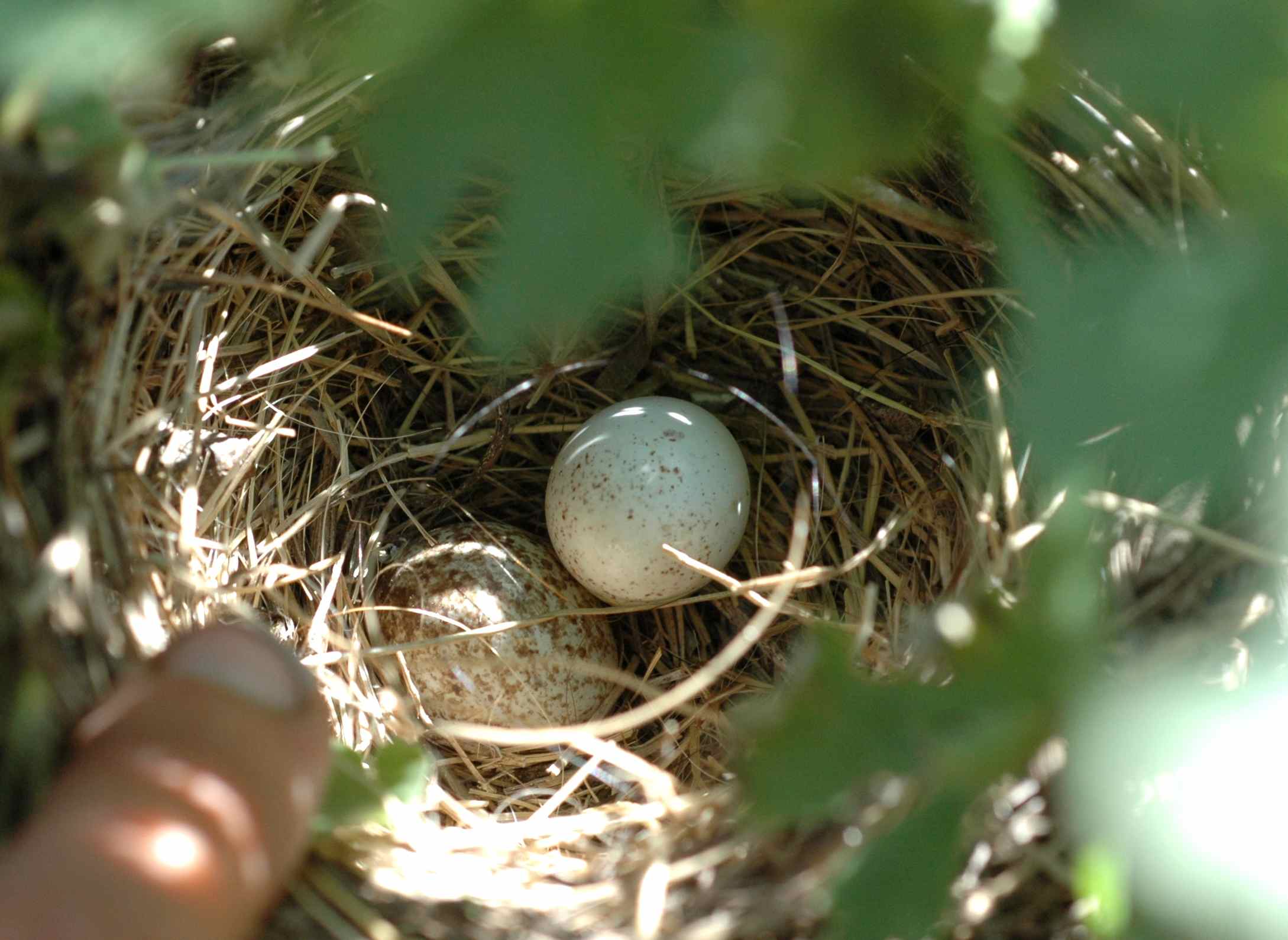
This nest had two chicks in it; when we took them out to band them, we found two unhatched eggs. The lighter one is a junco egg; the dark one is a cowbird egg. These juncos were lucky that the cowbird egg didn't hatch!

This nest had two chicks in it; when we took them out to band them, we found two unhatched eggs. The lighter one is a junco egg; the dark one is a cowbird egg. These juncos were lucky that the cowbird egg didn’t hatch!

Continue reading

Winter Olympics: Animal Edition

Don’t get me wrong, the winter Olympics is fun and all, but isn’t it just a little bit small-minded to limit ourselves to human competitors? Here are some videos illustrating how great this athletic competition could be if we made it just a bit more inclusive (and added some new events):

Event: Team Vertical Iceberg Jump. Competitor: penguin

Event: Snow Diving. Competitor: red fox.

Continue reading

Anthropomorphism and how we think about animals

I once saw a talk by a scientist who works on jumping spiders—those colorful, fuzzy, big-eyed teddy bears of the spider world—in which the speaker paused, after discussing the spiders’ excellent vision (courtesy of their many eyes, which are of several different types and see in various ways) and their sensitivity to vibrations (which they perceive through their legs and through the many fine hairs covering their body), to wonder, “What does the world feel like to these animals? What is it like to be a jumping spider?”

What is it like to be something other than human? There is so much research touching on this question, studies asking everything from “How does a bee navigate?” to “Are rats kind?” It’s a fascinating question, and it’s incredibly difficult.

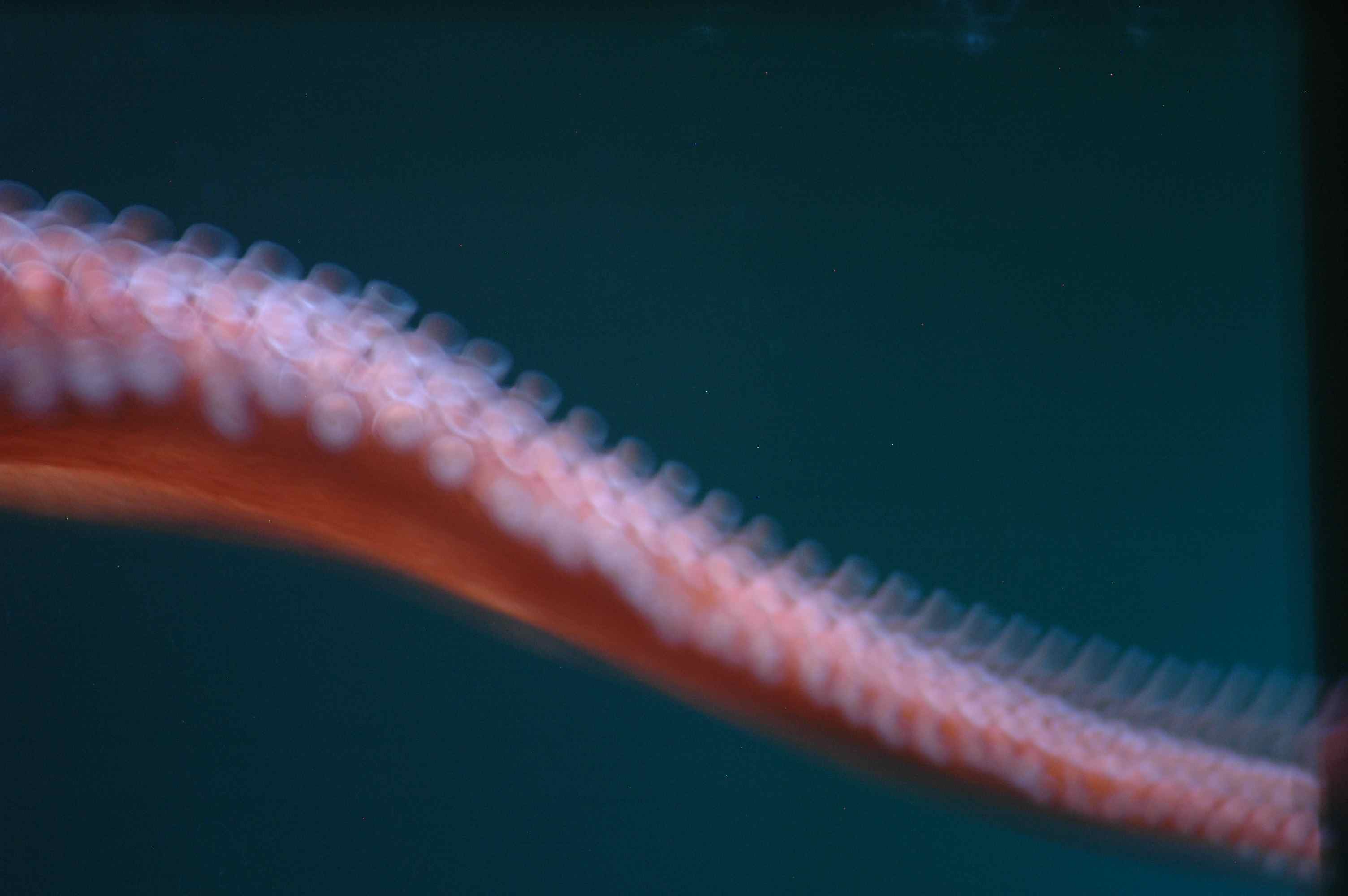
What is it like to be an octopus?

What is it like to be an octopus?

Continue reading