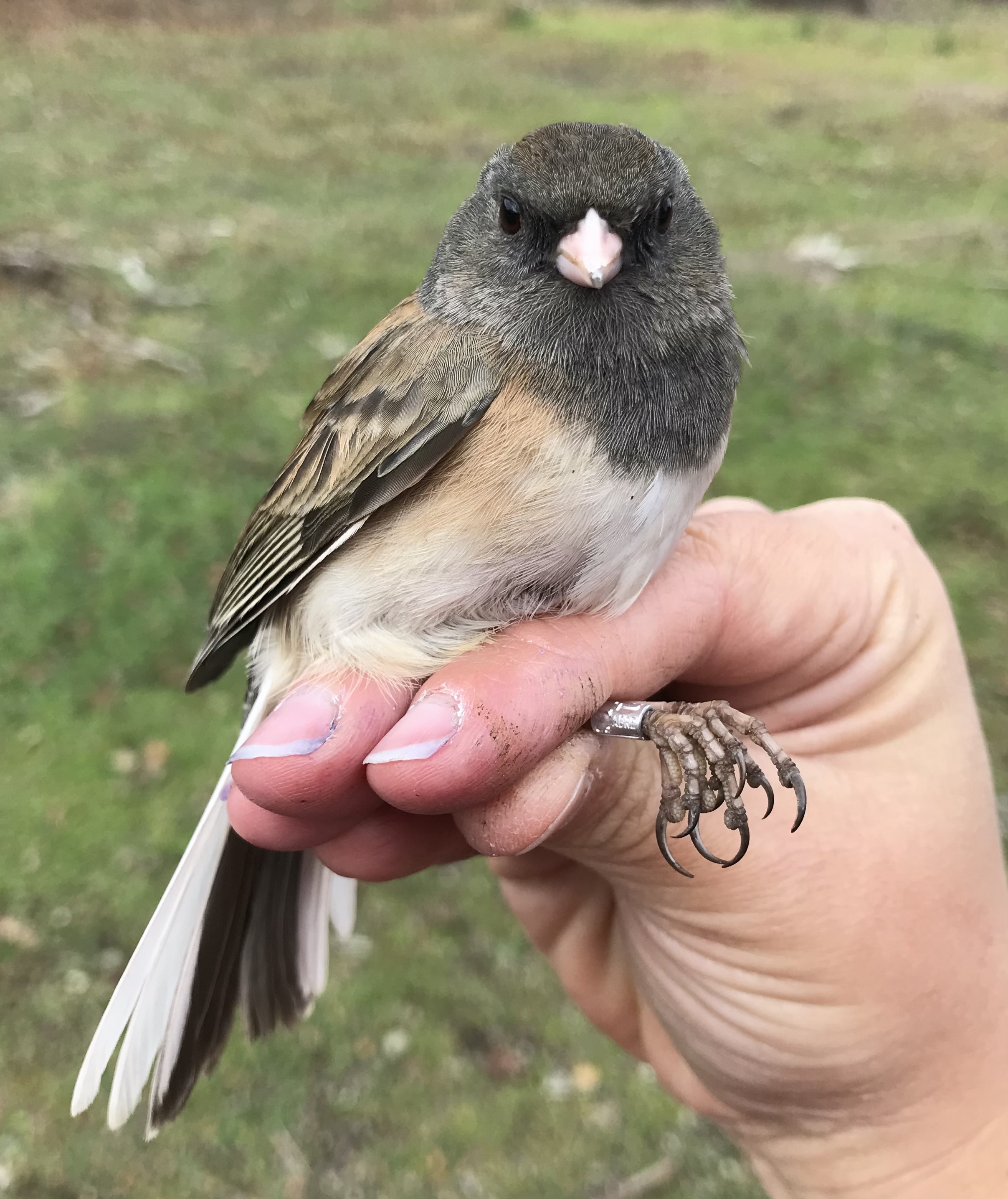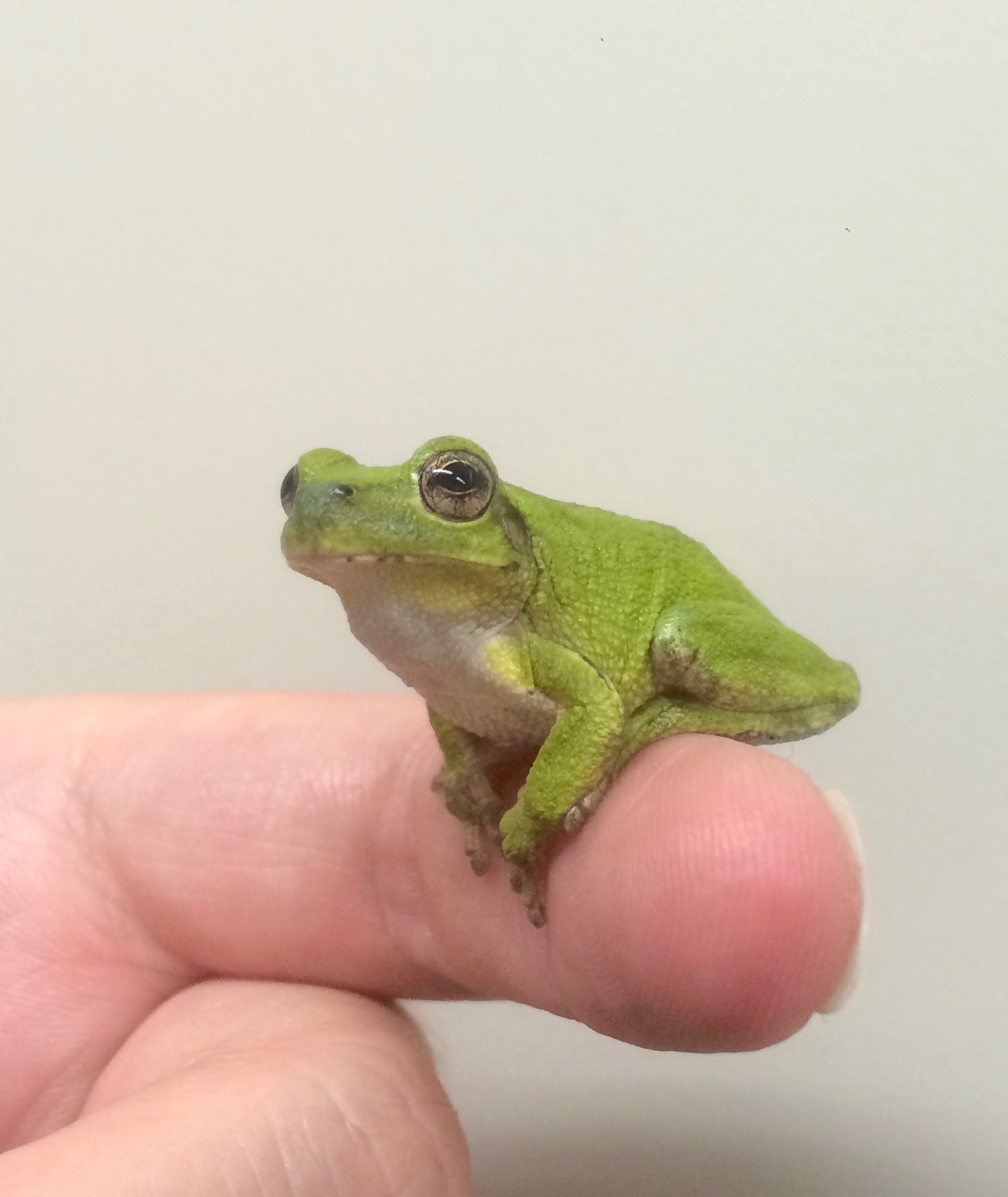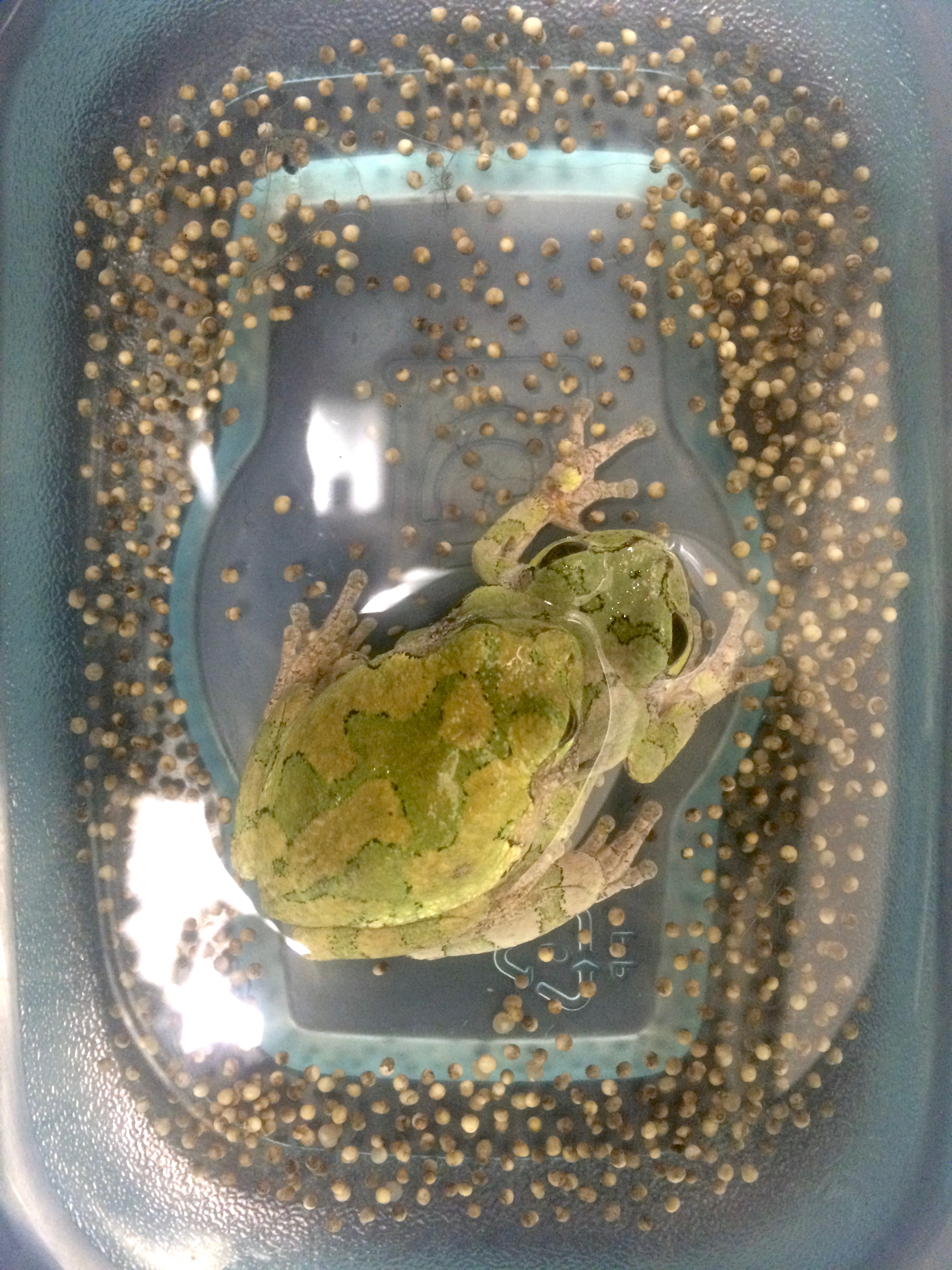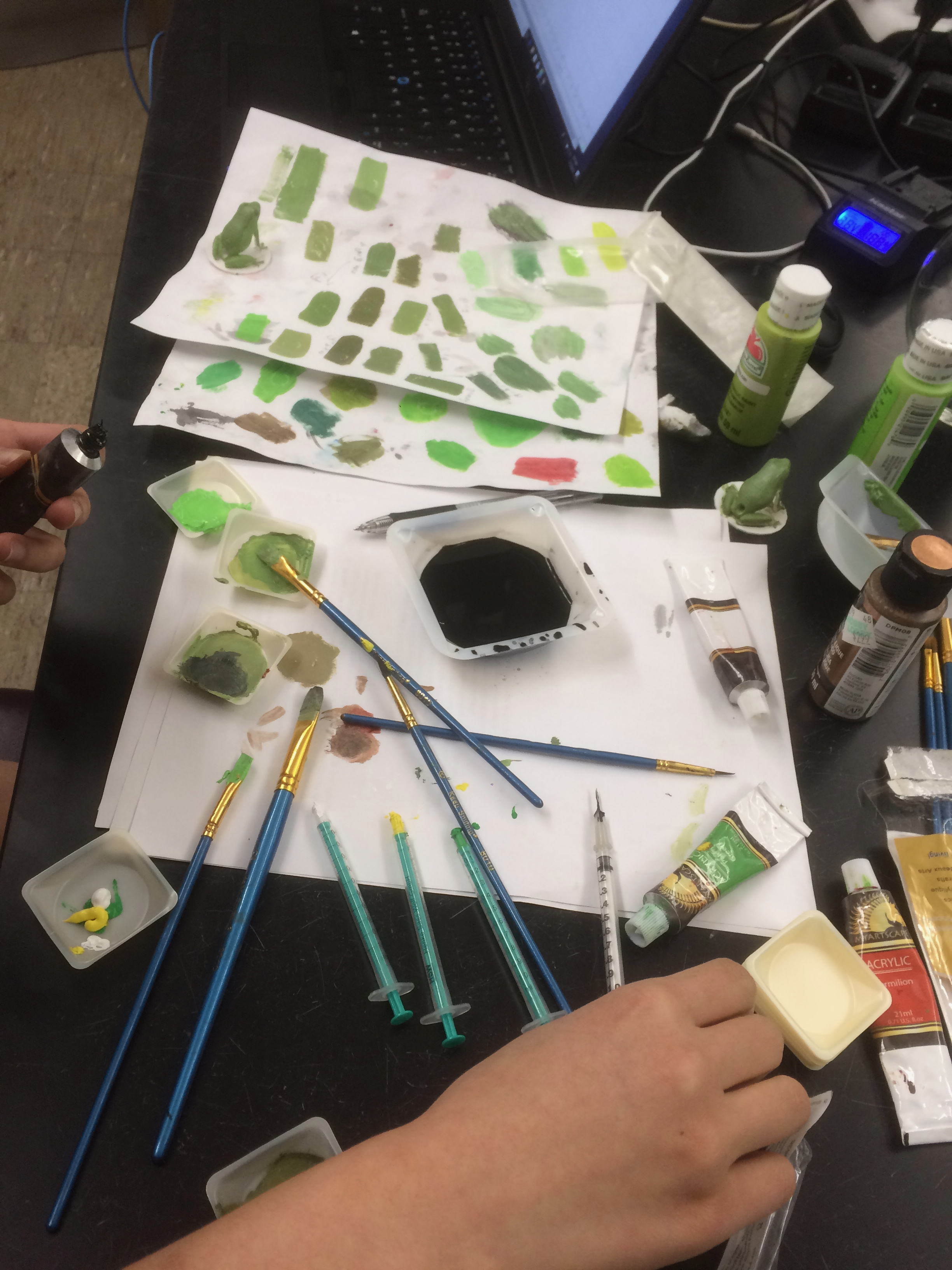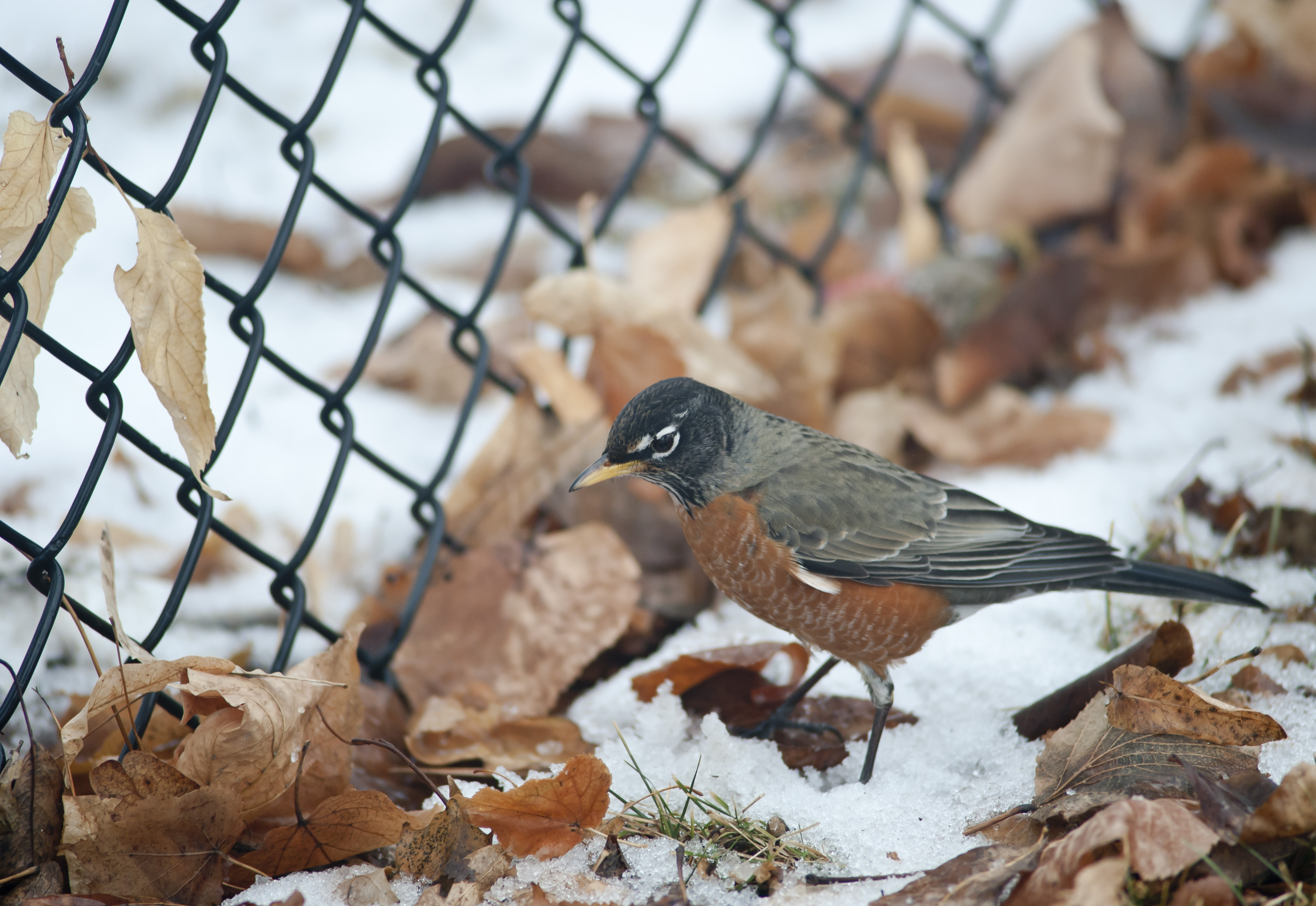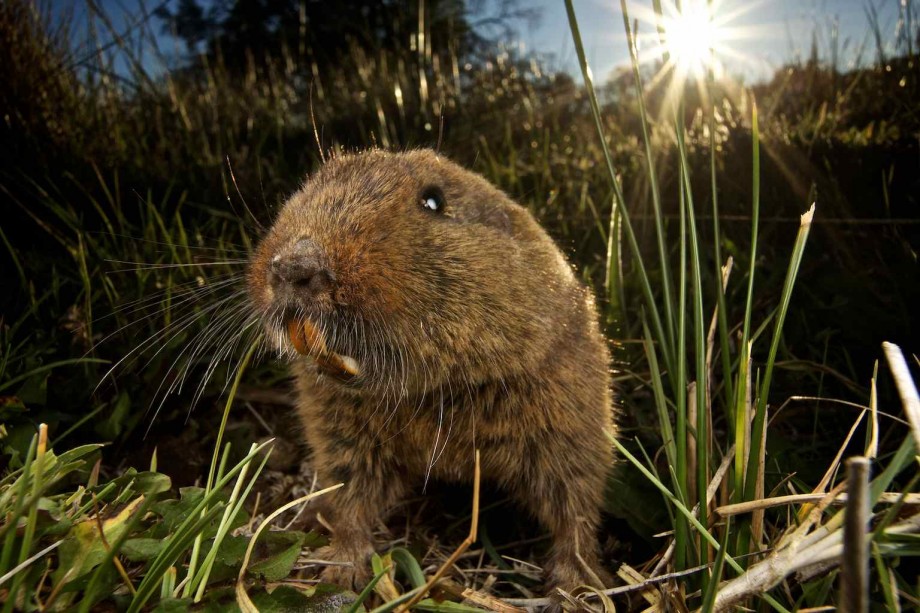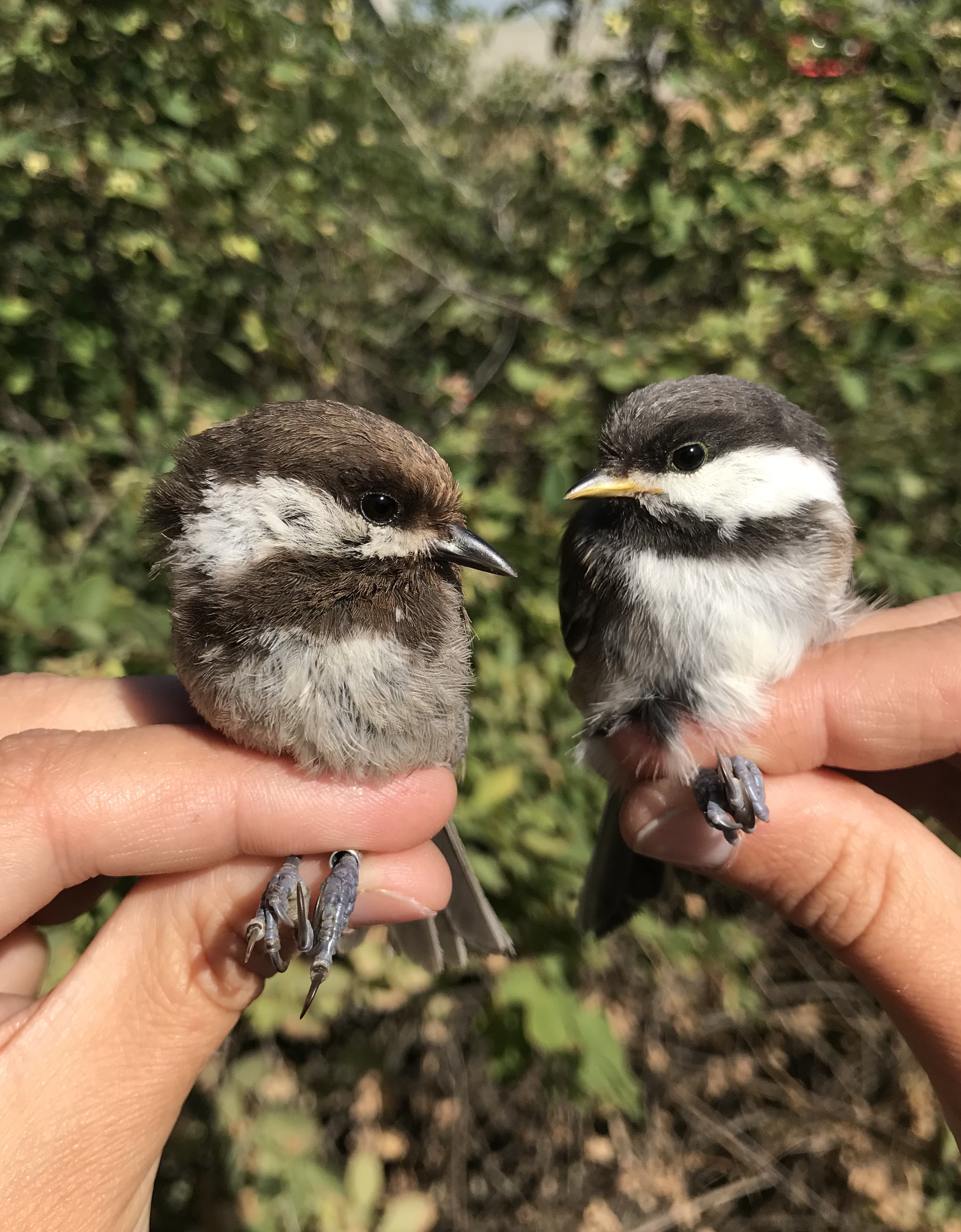
I’m switching up my field sites a bit this year, using some from 2012 but also adding new ones. I’ve known the general area where they would go, but this week I went scouting the area to figure out exactly where I’ll be observing juncos this summer. Here are the highlights, in photograph form. (The quality of the animal photos isn’t great because I brought my taking-pictures-of-mountains camera instead of my taking-pictures-of-birds camera.)
Featured paper: cuttlefish are lying cheaters
Although the cuttlefish may be best known for making those flat cuttlefish bones that your pet bird nibbles to get calcium, this paper shows that it should be known for being a lying cheater.
Cuttlefish, like their relatives the squids and the octopuses, are masters of visual communication. They can change their appearance almost instantaneously (video here), and they use color and pattern to say things like “Back off, I’m angry!” and “Pretty lady, I would like to do some romance with you now,” and “Please don’t do romance with me, I am male.”
Higgledy piggledy, zoologistically
Recently my mom sent me this link to a collection of “higgledy piggledy” (or “double dactyl”) poems. These poems are a bit like limericks, in that they are short, catchy, and usually silly. Since several of the poems were science-y, I thought I’d write some zoologically themed ones of my own. (I didn’t follow the form perfectly, but I did my best.)
Also: fear not, this does not mark the beginning of this becoming Katie’s Nature Poetry Blog. Tough Little Birds’ regular scientific programming will resume shortly.
————————————–
Chrysopelea
High-soaring leglessness
floating through canopy:
fast transportation with
no way to brake.
Aerodynamically
he’s a mere glider but
anyway we say he’s
“flying,” this snake.
In praise of Canada Geese
I volunteer with an education program at a prison. Clear sight lines from the guard towers being essential in a prison, there isn’t much cover, so there aren’t many birds. I’ve seen House Sparrows and Mallards and pigeons. The inmates report that seagulls are prone to getting caught in the barbed wire that tops the fences. The inmates don’t have much sympathy for the seagulls, since they’ve had to try to protect Mallard ducklings from marauding seagulls in the past, generally unsuccessfully.
Recently I saw a Red-winged Blackbird and a Common Starling both trying to claim the same bit of fence as their own. I can’t imagine why they wanted the fence (perhaps so that they could listen in on our class and learn how to solve “3 is 60% of what?”, too?), but it was exciting to see them. Serious birders have state bird lists; I don’t have that, but I do have a mental prison bird list, and both of those species were firsts.
Getting a (science) PhD is not the most terrible idea in the world
It seems as though, every few months, an article called something like “Never EVER Get A PhD, It WIll Ruin Your Life Forever!!” is published. It is then met with various response articles, either of the “Yes It Ruined My Life Too” or the “Actually PhDs Are Completely Worthwhile, You Jerks” varieties, and fades into obscurity just in time for the next article to come out.
I really don’t want to be another one of those response articles, but I think it’s worth writing a few things here that I generally don’t see mentioned in the PhD hate/lovefests. If you don’t care about PhDs, here is a fluffed-up Anna’s Hummingbird so this post isn’t a total loss.
Birds who can see what we can’t
Seeing in the ultraviolet
Even in the visible spectrum, birds can discriminate more subtle color distinctions than we can, thanks to their at-least-five functional cone photoreceptor types (we only have three). But it’s in the ultraviolet (UV) part of the spectrum where they literally can see what we can’t.
Somewhat disappointingly, birds don’t generally have secret UV patterns the way that, for example, some flowers do (Andersson 1996). Instead, they seem to use UV to augment signals we can already see: bluebirds turn out to reflect UV, as do the spots on some thrushes, and so on. But the UV can still contain information invisible to our eyes. In the Alpine Swift and the European Starling, better-fed chicks reflect more UV from their skin; their parents can use this information to give more food to scrawny chicks in good times, or to cut their losses and favor the healthiest chicks in lean times (Bize et al. 2006).
Genetics is complicated: mouse edition
Genetics is complicated. I have taken courses to this effect; I have taught the concept in Introductory Biology. Mendel’s peas with their neat logical Punnett squares were a lucky rarity—each trait governed by just one gene, each of those genes on a separate chromosome. The genetic basis of the vast majority of traits is far more complex. If the genes involved aren’t physically linked (called “linkage disequilibrium”) then they are pleiotropic (influencing many different traits at once), or epistatic (modified by other genes), or simply so subtle that their effects disappear in the noise of environmentally-caused trait variation. Relating traits to genes is hard.
I know this; I understand it; but until recently, I had never actually seen it. Then my pet mice decided to give me an object lesson in genetics.
What happens when you think you have all female mice, but you actually have mostly females and one male?