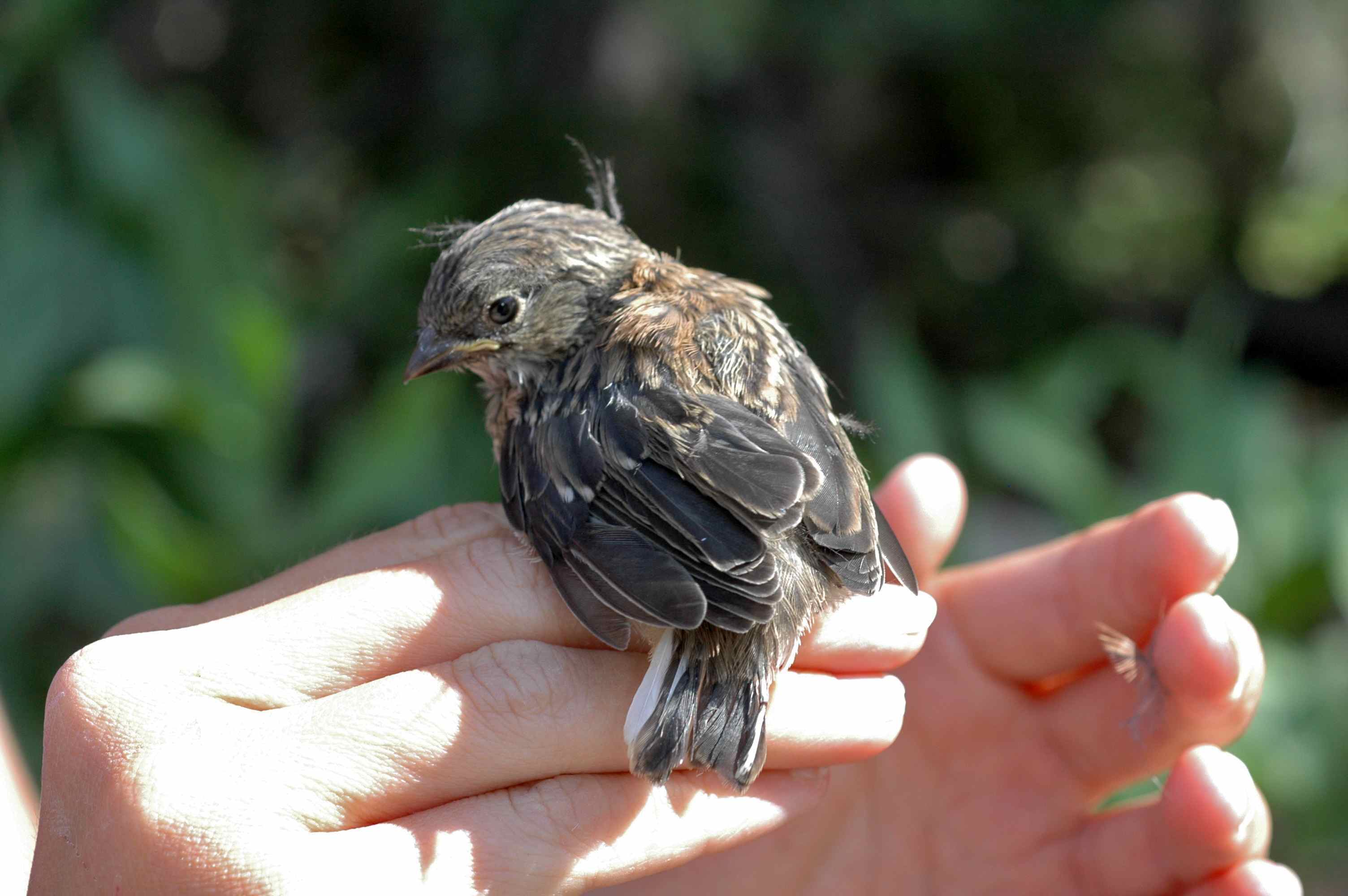
A predator caught in the act

We were searching for junco nests when I heard the unmistakable tic-tic-tic of junco alarm chipping. We followed the sound a ways and found a pair of juncos perched on a low branch, alarm chipping for all they were worth. Strange of the juncos to be alarm chipping at us when we were so far away, before, I thought. I wouldn’t have thought they’d see us as a threat from that far away. Odd birds. Directly below the branch with the agitated juncos was a small shrub. “The nest will be in there,” I predicted, showing off for my new field assistants.

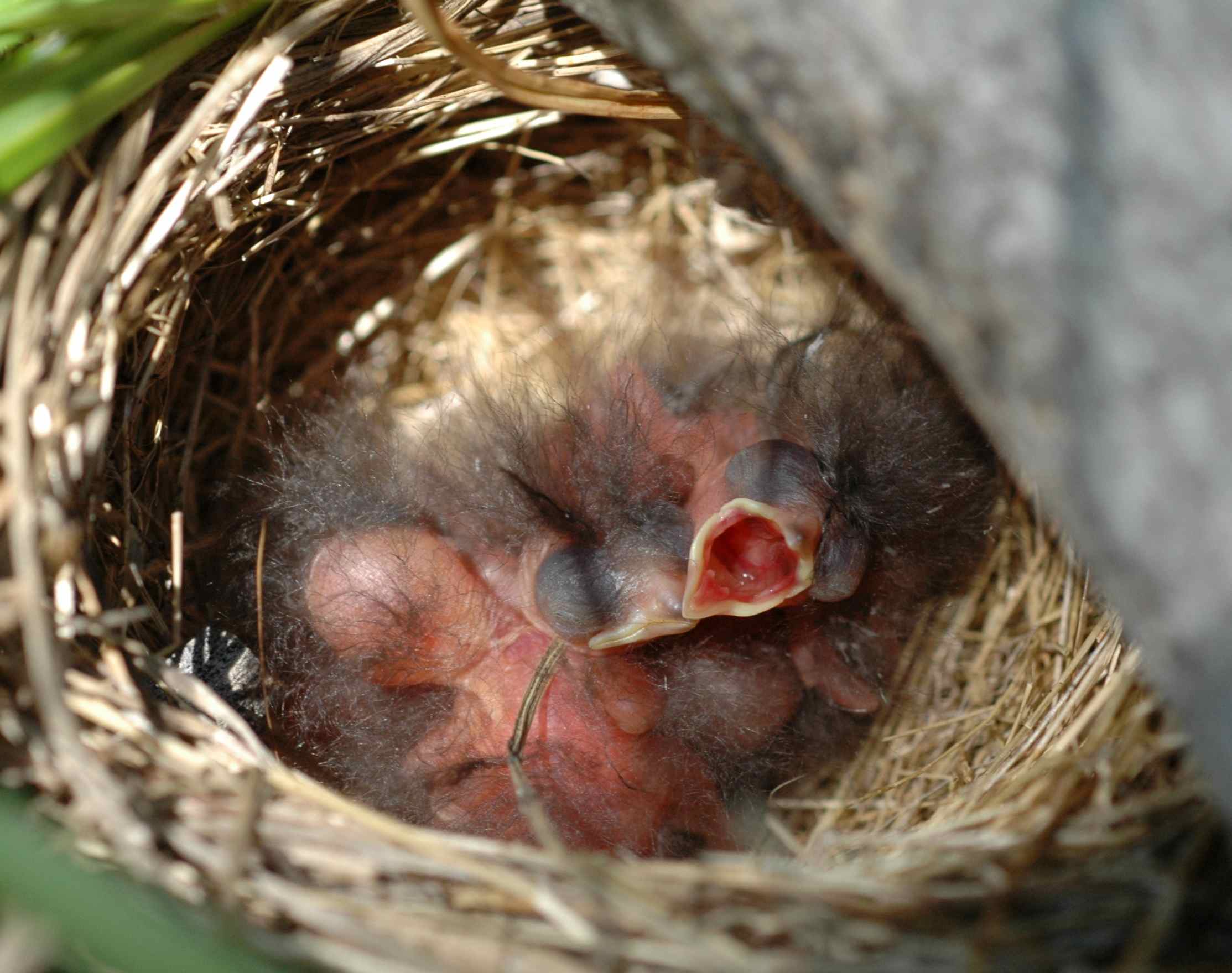
2015_snake_nest2I parted the prickly branches, and tiny pink beaks gaped hungrily at me. “There they are,” I said, pleased with myself. “Three chicks.”

2015_snake_nest

And just as I said that, I saw the snake.

Continue reading

Chicks with attitude

2014_attitude1

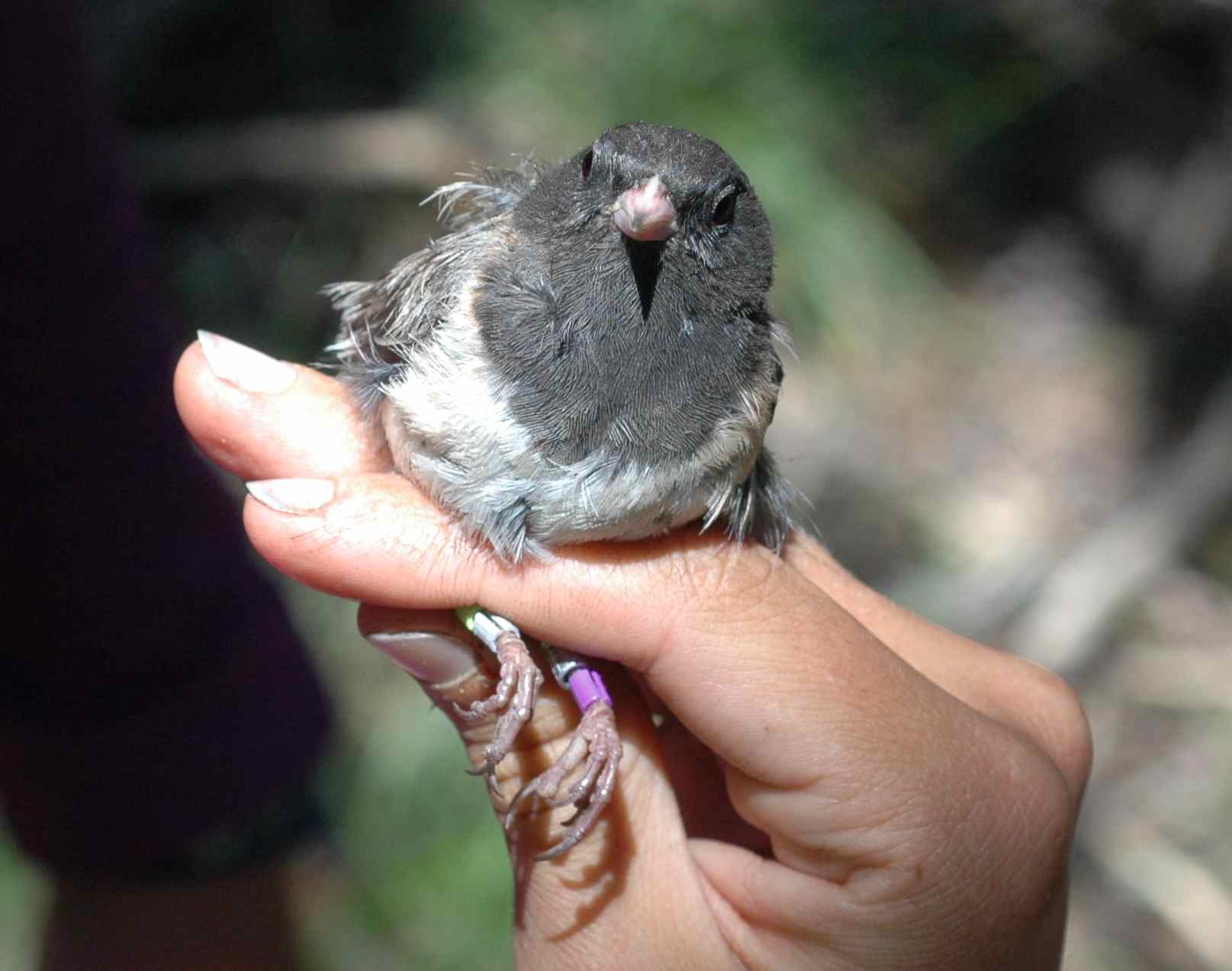
Mammals—including us—use facial muscles to communicate, by, say, smiling or frowning. Reptiles and birds don’t do that: they don’t have the right muscles for it. If you think a bird looks grumpy, or angry, or has any similar human-type facial expression, you’re projecting your human perceptions onto an animal that really doesn’t work like that. (Now, whether the bird actually is grumpy is a different matter; I’m just saying that you can’t tell if it is by looking at its face.)

So the appearance that all these junco chicks have of possessing some serious attitude is merely an entertaining illusion.

What are you looking at?

What are you looking at?

Continue reading

A nest of Red-tailed Hawks grows up

Half-built nest in February

Half-built nest in February

In February, a pair of Red-tailed Hawks began to build a nest in the window of a tenth-floor conference room in Yonkers, NY. Over the next four months, Jerry and Beverly—who work in that office—watched and documented the red-tails as they raised their chicks. Many thanks to Jerry and Beverly for agreeing to share their photos and videos, and thanks to James for passing them on to me!

One of the adults at the nest

One of the adults at the nest. Red-tails like their nests to have a commanding view of the surroundings; you can see that this fits the bill nicely.

Continue reading

Adoption in birds (really!)

Sometimes the titles of scientific papers are so surprising that they seem to transform into news headlines in my head:

Adoption of chicks by the Pied Avocet – Adoption of fledglings by Black and Red Kites – Caspian Terns fledge a Ring-billed Gull chick – Adoption of young Common Buzzards by White-tailed Sea Eagles

How can this be true? Raising chicks is hard; it takes energy and time and risk. Why would any bird make those sacrifices for an unrelated chick?

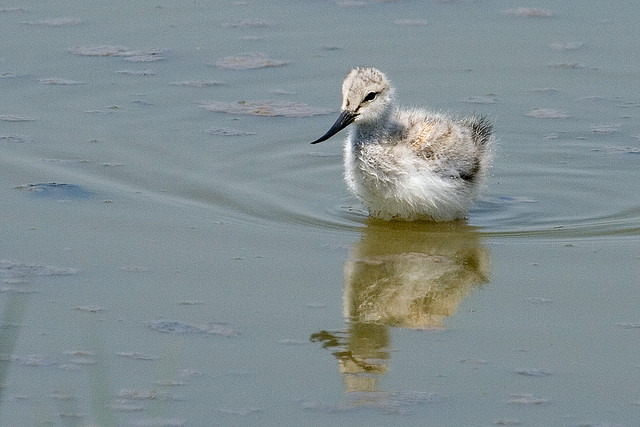
Okay, I would absolutely adopt this guy. Pied Avocet chick. Photo by Keith Marshall

Okay, I would absolutely adopt this guy.
Pied Avocet chick. Photo by Keith Marshall

Continue reading

Small nest? Big babies? No problem!

Nesting moms, are you having trouble fitting all your babies into one nest? Your troubles are over! We’ve got photos to inspire you to fit all those babies into one nest in an elegant, orderly way. A successful breeding season doesn’t have to mean clutter anymore!

These eggs are a mess. Look at that one shoved under the others. Don't let this be your nest!

These eggs are a mess. Look at that one shoved under the others. Don’t let this be your nest!

Continue reading

Say “aah”

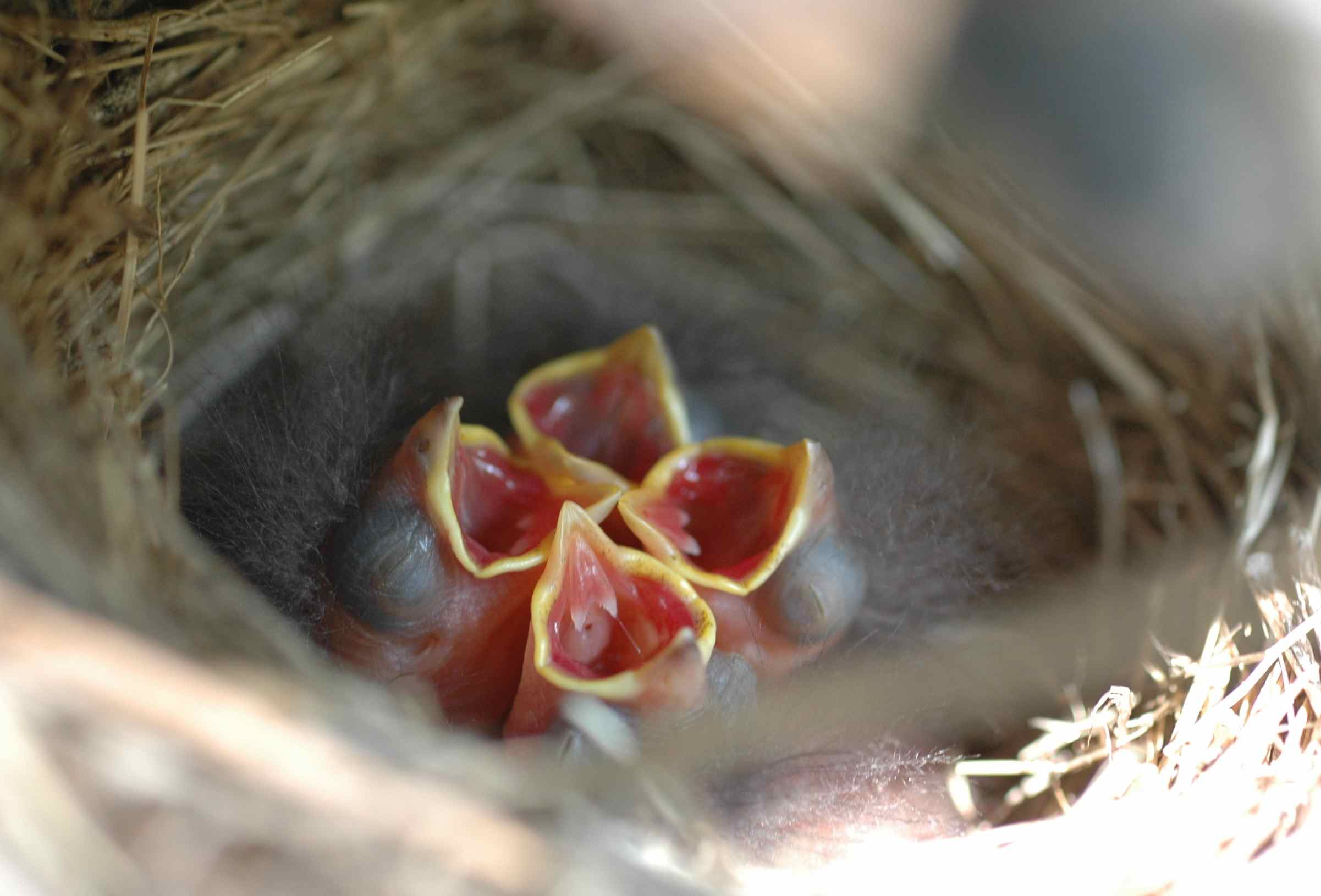
There are a few easy ways for baby juncos to distinguish me from their parents. For example, their parents have feathers and dark heads and are about their size, while I am a gigantic fabric-draped Godzilla monster. However, hungry chicks seem to not always be alert to such nuance, so I’ve accumulated quite a few photographs of the view down the gullets of baby juncos.

SEAL and NORA's chicks

SEAL and NORA’s chicks

In the above photo you can see how the bright pink/red of the mouth, surrounded by the yellow bill outline, makes an obvious target for a parent with food.

Mostly, though, I just like how these photos make the chicks look even more like crazy pink alien beings than usual.

INGA's chicks

INGA’s chicks

Continue reading

AMLE is watching you

Not that I have favorites, but AMLE (Amelie) is my new favorite junco. Most juncos get a bit dejected by the end of the banding process (don’t worry—as soon as they realize we’re letting them go, they perk up), but she was sharp the entire time. When it was time to take pictures, she glared daggers at us.

2013_AMLE5When I lowered her to get a better shot of the top of her head, she held her gaze—and her head—steady. Her body went down but her head stayed up.

2013_AMLE4

Continue reading

More baby pictures

Recently I found this nest, belonging to female MABY (named in honor of Arrested Development, if you’re wondering) and male ARKM.

2013_morebabiesI couldn’t see clearly how many chicks there were, so I nudged them with my finger to try to get a better look—and they all thought one of their parents was waking them up with food.

2013_morebabies2

Continue reading

One-eye ROYA, pirate mom

[Wrote this back in August and forgot to post it—oops.]

ROYA weighs just 16.1 grams, and her right eye is bloodshot and kept mostly closed.

ROYA

That’s bad, but ROYA is one tough little bird. You would never know that she is one-eyed from watching her: she flies, she forages, and she feeds her chick—who is in his young-fledgling, über-needy stage—nonstop. If she can keep it up for another week, he’ll be able to fend for himself, and she will have successfully raised a brand new junco.

ROYA’s young fledgling

I really wanted to band her fledgling, but while he seemed dopy (he cheeped nonstop, letting us know exactly where he was, and let us get maddeningly almost within arms’ reach of him), he knew when to fly, and he never flew into the net either. ROYA is doing a good job.